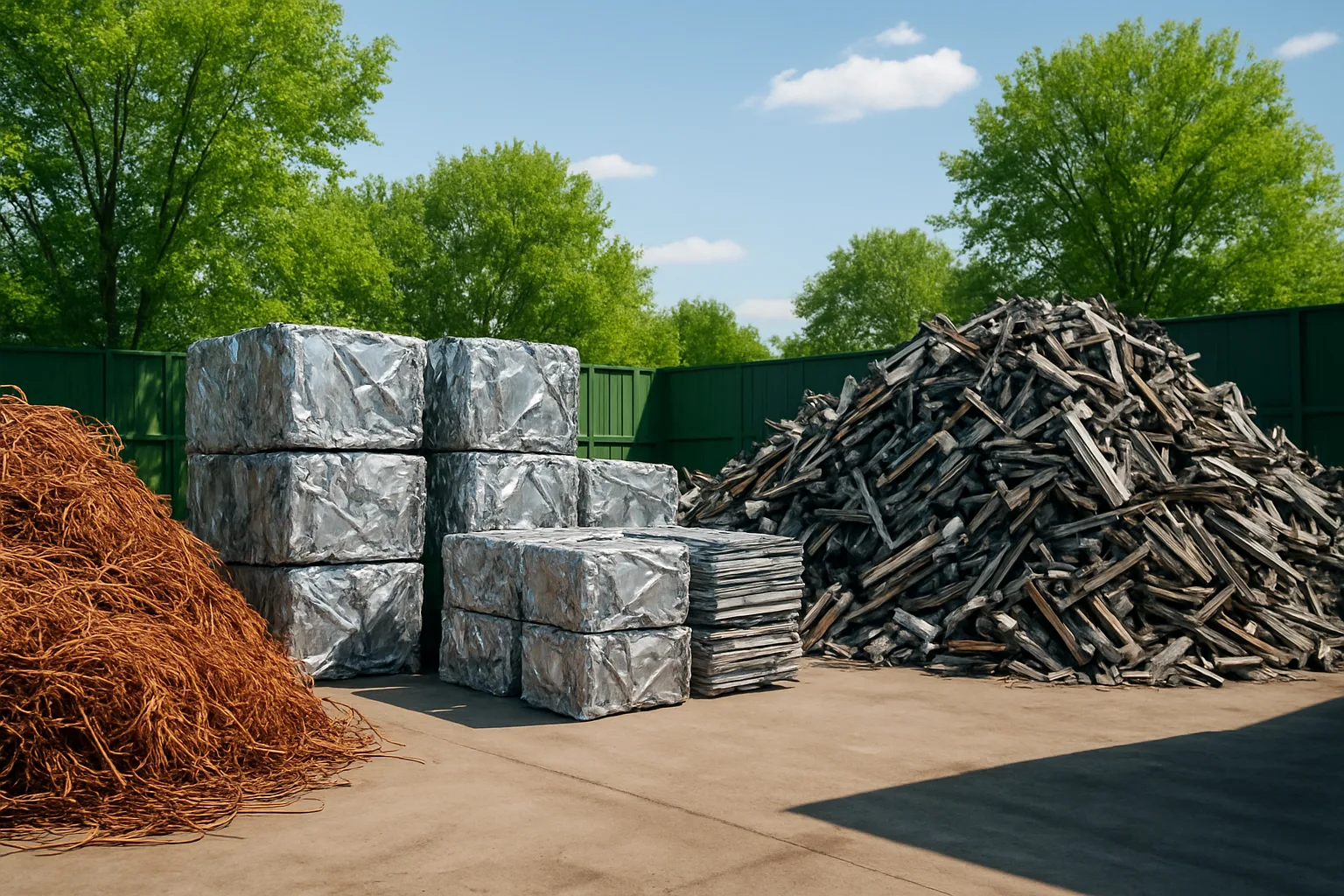
Stop Leaving Money on the Table: Sort Your Scrap Before You Sell It
Most sellers get paid for the lowest-grade metal in the pile. That's not a yard policy — that's math. When you mix copper with steel, or toss clean aluminum in with dirty castings, the buyer grades the whole load down. You did the work of collecting it. Don't give away the margin at the finish line.
Sorting and preparing your scrap metal properly is one of the most direct ways to improve what you walk away with. No guesswork. No waiting for the market to shift. Just better presentation leading to better price discovery. If you're chasing the best scrap metal prices Sudbury has to offer — or anywhere across Ontario — this is where it starts.
This week's roundup breaks down exactly how to sort, prep, and document your loads before they hit the scale.
Why Sorting Scrap Metal Directly Impacts Your Price Per Pound
Buyers price risk. When a load comes in mixed or dirty, they don't know what they're getting. So they assume the worst and price accordingly. That gap between what they pay and what the metal is actually worth? That's margin they keep — not you.
The metals that see the biggest swing between clean and contaminated grades include:
- Copper: Bare bright copper versus #2 copper with insulation attached can be a significant price difference per pound. Stripping wire before you sell it almost always pays off.
- Aluminum: Clean cast aluminum versus mixed or painted aluminum grades out differently. Wheels cleaned of valve stems and weights get better offers.
- Steel and iron: Prepared steel (cut to length, free of non-ferrous attachments) versus unprepared mixed iron is a different product entirely.
- Stainless steel: Mixed stainless with unknown alloy grades gets discounted hard. If you can separate 304 from 316, you capture more value.
Understanding the spread between grades is why it pays to check today's Canadian scrap metal prices before you sort — knowing what the spread looks like tells you whether the time investment in cleaning a load is worth it.
The Right Way to Sort Scrap Metal: A Practical Framework
You don't need a formal system. You need consistent habits. Here's a sorting framework that works whether you're running a small operation or managing serious volume.
Step 1: Separate Ferrous from Non-Ferrous First
This is the baseline. A magnet is your first tool. Steel and iron stick. Copper, aluminum, brass, and stainless don't. Keep two separate areas or containers from the moment material comes in. Don't let it pile up mixed — that's where you lose control of your inventory and your pricing power.
Step 2: Grade Within Each Metal Category
Once you've done the ferrous/non-ferrous split, go deeper. Copper wire with insulation is not the same as bare bright copper. Auto cast aluminum is not the same as clean extrusion. Know your grades and keep them physically separate. Even in a busy yard, labelled bins pay for themselves in better load values.
Step 3: Remove Attachments and Contaminants
Rubber, plastic, insulation, oil, and mixed metal attachments all drag your grade down. On copper wire, strip it or sell it as insulated — just know which product you're selling. On aluminum, remove iron bolts, steel fasteners, and rubber components before weighing. On brass fittings, knock off any steel nipples or iron connections. Every attachment you leave on is a grade penalty the buyer applies to the whole load.
Step 4: Cut to Specification Where Required
Many buyers have size requirements — especially for prepared steel. If your material is over-length, they may reject it outright or apply a significant discount for the processing they'll need to do. Know your buyer's specs before you prep. On a B2B scrap metal marketplace like SMASH, load specs are documented upfront so buyers know what they're bidding on. No surprises on either side.
Scrap Metal Inventory Management: Document Before You List
This is the part most sellers skip. You sorted the load. You cleaned it up. And then you take one blurry photo on your phone and send it to a single buyer. That's the old way — and it doesn't reflect the work you put in.
Proper documentation includes:
- Weight by grade (not just total weight)
- Clear photos of each metal type — multiple angles
- Any relevant serial numbers or VINs (for catalytic converters, cores, or vehicles)
- Packing list with grade breakdown and any processing you've done
- Notes on size, form, and any known alloy information
Strong scrap metal inventory management does two things. First, it gives buyers confidence — documented loads with photos and clear grades attract more serious bids. Second, it protects you. If a buyer disputes what was delivered, you have a record. SMASH's inventory tool is built around this — photo documentation, serial tracking, and detailed packing lists are part of how loads are listed on the platform. That documentation is what makes competitive bidding possible. Buyers can't price what they can't see.
Want to understand how current market grades and categories map to actual pricing? Read the latest Canadian scrap metal market updates for a breakdown of what's moving and at what grades.
What Sudbury and Northern Ontario Sellers Need to Know Right Now
Sudbury's industrial base — mining, smelting, and heavy manufacturing — generates a metal mix that looks different from what comes out of southern Ontario yards. Nickel alloys, specialty steel, copper wire, and industrial aluminum are common material streams here. That specialization matters when it comes to sorting.
Nickel-bearing alloys, for example, need to be identified and separated — they don't belong in a general stainless bin. Mixed in with 304, they get priced as 304. Sold correctly, they're worth more. Yards and independent collectors in the Sudbury area dealing with mining-adjacent scrap should be particularly careful about alloy identification before selling.
For those accessing Sudbury scrap metal services, understanding the local material mix — and how to document it properly — can make a real difference in what buyers are willing to pay. More documentation means more buyer confidence, which means more competition for your load.
Northern Ontario yards also deal with longer haul distances to major processing centres. That means your preparation matters even more — a rejected or regraded load isn't a quick fix when you're hours from a secondary buyer. Sort it right before it leaves your site.
How SMASH Turns Prepared Loads Into Competitive Bids
Here's where the preparation pays off at the platform level. When you list a load on SMASH, you're not calling one buyer and taking whatever they offer. You're putting a documented, graded, photographed load in front of multiple vetted buyers simultaneously. That's competition. And competition is how you find out what your metal is actually worth.
The platform handles auto-invoicing, GST/HST documentation, and BOL tracking — so the administrative side doesn't slow down your operation. For yards managing high volume or diverse material streams, that back-end efficiency is as valuable as the price discovery itself.
SMASH doesn't charge subscription fees. The model is simple: we only win when the seller wins. That alignment matters. You're not paying monthly for a tool that may or may not move your loads — you're working with a platform that has a direct stake in getting your material sold at the best available price.
Whether you're running a full yard in Sudbury or sourcing non-ferrous material across Ontario, sell your scrap metal on SMASH Recycling and let competition do what a single phone call never can.
Ready to know what your sorted load is worth today? Find current Canadian scrap metal prices before you list — knowing the market puts you in a stronger position at every step.
Preparation is the work you do before the sale. Sort by grade. Remove contaminants. Document everything. Then put it in front of buyers who have to compete for it. That's how you stop leaving money on the table — and start capturing the value you actually earned.
Frequently Asked Questions
Q: What are the best scrap metal prices in Sudbury right now?
Prices fluctuate based on global commodity markets, so the best way to get current rates is to check a live pricing source. Visit scrap-metal-prices.ca for up-to-date Canadian scrap metal pricing across all major metal categories. Keep in mind that local yard offers may vary from benchmark prices depending on grade, volume, and buyer demand.
Q: Does sorting my scrap metal actually make a difference in price?
Yes — significantly. Mixed or contaminated loads are graded down by buyers to account for their processing costs and uncertainty about what they're receiving. Separating copper grades, cleaning aluminum, and removing ferrous attachments from non-ferrous material can move your load into a higher-paying category. The spread between clean and dirty grades can be substantial on high-value metals like copper and aluminum.
Q: How do I know which scrap metal grades I have?
Start with a magnet — ferrous metals stick, non-ferrous don't. From there, visual identification and basic testing help you distinguish copper, aluminum, brass, and stainless. For specialty alloys common in Northern Ontario's mining sector, a spectrometer test at a yard or metal processor can confirm alloy composition. Better grade identification means better documentation, which leads to more confident buyers and stronger bids.
Q: Is SMASH available for sellers in Sudbury and Northern Ontario?
Yes. SMASH serves yards and sellers across North America, including Ontario. The platform connects you with vetted buyers regardless of your location — which matters when you're in a region with fewer local buyer options. Listing a documented load on SMASH means you're not limited to whoever is closest to your yard.
Q: What documentation do I need before selling scrap metal on a B2B platform?
At minimum: weight by grade, clear photos from multiple angles, and a packing list describing what you have and how it's prepared. For certain materials like catalytic converters or cores, serial numbers and VIN information add significant buyer confidence. Platforms like SMASH have built-in tools for photo documentation, serial tracking, and packing list creation — so the process is structured and consistent.
Prices referenced in this article are for general informational purposes. Scrap metal prices fluctuate daily based on commodity markets, location, grade, and buyer demand. Always verify current rates before selling.
Follow SMASH on LinkedIn for ongoing scrap metal market insights, pricing trends, and industry updates delivered straight to your feed.
```