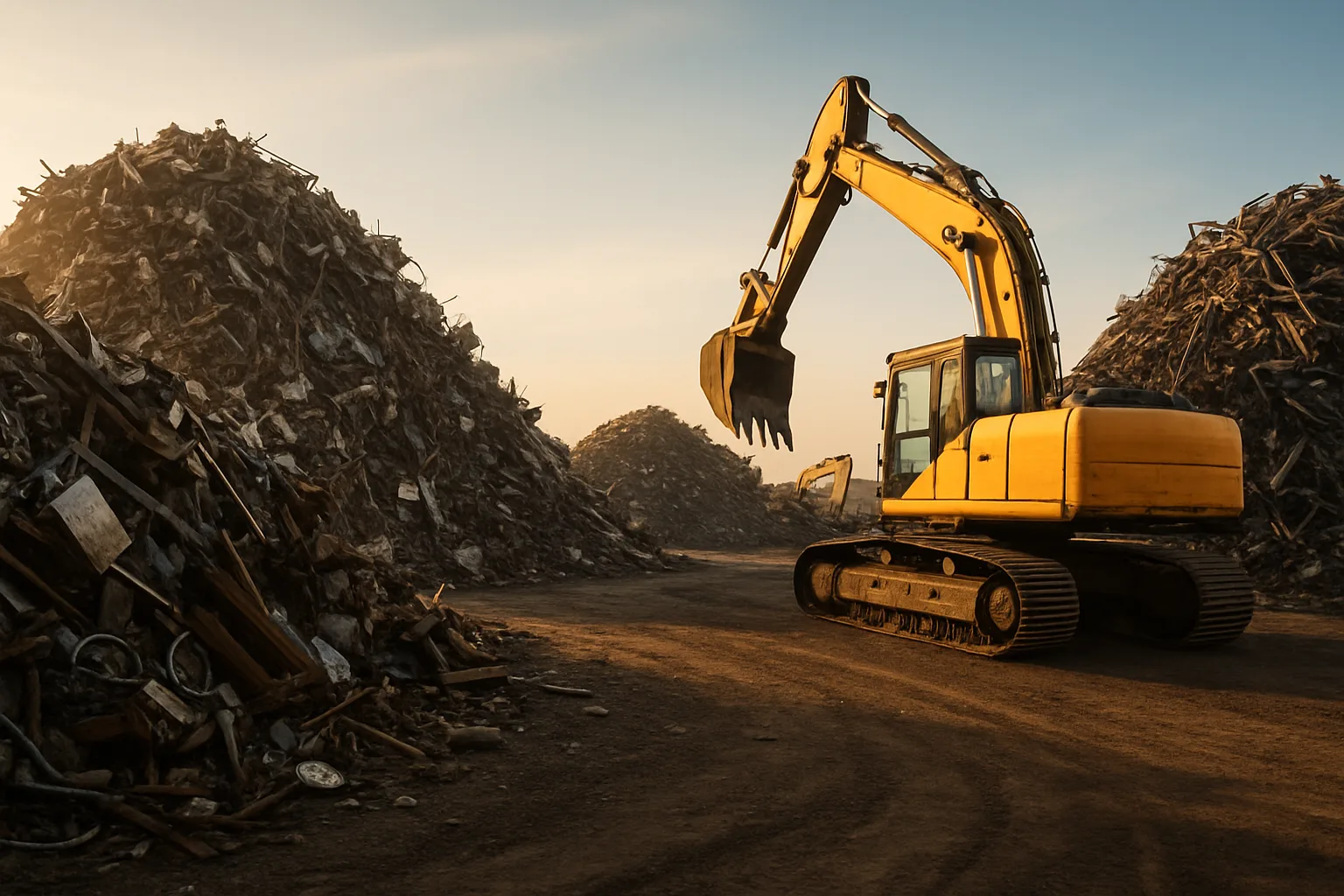
Most people hauling scrap don't know they're leaving cash on the table — not because they're selling the wrong metal, but because they don't know what metal they have. In Fort McMurray, where heavy industry generates everything from structural steel to electrical copper, sorting your load before you sell can make a serious difference in what you walk away with. Understanding the line between ferrous and non-ferrous scrap isn't just trivia — it's the foundation of getting paid properly.
This breakdown will show you what separates the two categories, why buyers price them so differently, and how platforms like SMASH are changing the way Alberta yards and sellers approach pricing transparency and competitive bidding.
---What Makes a Metal Ferrous or Non-Ferrous?
The answer is simpler than the terminology suggests. Ferrous metals contain iron. Non-ferrous metals don't. That's the core distinction — and it drives almost every pricing and handling decision in the scrap industry.
Ferrous metals include steel, cast iron, wrought iron, and stainless steel. You'll find them in structural beams, vehicle frames, rebar, pipe, and heavy equipment — exactly the kind of material that moves through Fort McMurray's oilsands and construction sectors in volume. Non-ferrous metals include copper, aluminum, brass, lead, zinc, nickel, and precious metals. These show up in wiring, motors, radiators, plumbing, HVAC systems, and catalytic converters.
The easiest field test? A magnet. Ferrous metals stick. Non-ferrous metals don't. That ten-second check determines whether your load sells for cents per pound or dollars per pound.
Why Non-Ferrous Scrap Commands Higher Copper and Aluminum Prices in Alberta
Non-ferrous metals are rarer, more energy-intensive to mine, and more valuable to manufacturers. Copper, for example, is essential for electrical infrastructure, EV manufacturing, and industrial wiring — demand that isn't slowing down. Copper scrap prices in Fort McMurray and across Alberta reflect global commodity markets, which means even modest shifts in supply or demand move the number at your local yard.
Aluminum is lighter, corrosion-resistant, and heavily recycled in automotive and aerospace. Brass turns up in valves, fittings, and plumbing fixtures — common in commercial demolition and renovation. These metals recycle at a fraction of the energy cost of virgin production, which is exactly why smelters and mills pay a premium for clean, sorted loads.
Ferrous material — steel and iron — still holds real value, especially in volume. A full truckload of structural steel, HMS (heavy melted steel), or shredded scrap moves markets too. But per pound, you're comparing $0.05–$0.20 territory on steel against $2.00+ territory on clean copper wire. Knowing which pile is which isn't optional if you're serious about your margins.
Want to check today's Canadian scrap metal prices before your next load? Real-time data beats guessing every time.
How Fort McMurray's Industrial Base Shapes Your Scrap Load
Fort McMurray sits at the center of one of the most metal-intensive industrial environments in North America. Oilsands operations, pipeline infrastructure, heavy equipment maintenance, and large-scale construction produce a constant stream of both ferrous and non-ferrous material. That's a significant opportunity — if you know what you're handling.
Ferrous scrap in this region typically includes:
- Structural steel from decommissioned plant components
- Cast iron from pump housings, valves, and engine blocks
- Rebar and plate steel from construction and civil work
- Vehicle bodies and frames from fleet equipment
Non-ferrous material commonly found in and around Fort McMurray includes:
- Copper wire and bus bar from electrical systems
- Aluminum extrusions and sheet from modular construction
- Brass fittings and valves from process piping
- Stainless steel components from processing facilities (technically ferrous, but priced closer to non-ferrous due to nickel content)
- Catalytic converter cores (cats) from heavy equipment and trucks
Sorting before you sell matters enormously here. Mixed loads get downgraded. Clean, sorted, documented material gets buyer confidence — and buyer confidence drives competition. That's where smashrecycling.ca changes the dynamic: vetted buyers bidding on well-documented loads push prices toward actual market value rather than whatever a single buyer decides to offer that day.
The Old Way of Selling Scrap Is Costing Alberta Yards Real Money
Here's the pattern most sellers know: call one yard, take their price, load the truck, collect the check. No comparison. No competition. No idea whether you left $200 or $2,000 on the table.
That approach made sense when information was slow and buyers were few. It doesn't make sense anymore. Scrap metal prices in Canada today are trackable, commodity-linked, and increasingly transparent. If you're not putting your load in front of multiple buyers, you're not selling — you're accepting.
SMASH is built specifically to break that pattern. The platform connects sellers with vetted buyers across North America through a competitive auction format. No subscription fees. Photo documentation, serial tracking, and inventory tools that give buyers the confidence to bid higher. When buyers compete, price discovery actually happens — instead of one buyer setting the floor and calling it the market.
For sellers in Alberta moving volume — whether it's non-ferrous from a stripping job or a full load of HMS — competition is the difference between guessing and knowing what your material is worth. Read the latest Canadian scrap metal market updates to track where prices are moving before you commit to a sale.
Sorting, Documentation, and Why Buyers Pay More for Clean Loads
The price gap between a mixed, unsorted load and clean, graded material can be significant. Buyers discount heavily for uncertainty. If they can't tell how much copper is in a wire bundle versus insulation, they'll price for the worst case. If they can't verify the grade of your aluminum, they won't bid at the top of the range.
Good documentation closes that gap. Here's what separates a high-confidence load from a discounted one:
- Clear separation — ferrous and non-ferrous in different containers or pallets
- Grading by type — bare bright copper versus insulated wire versus motors all priced differently
- Photo documentation — buyers bidding online need visual confirmation of what they're purchasing
- Weight estimates or certified weights — guessing tonnage introduces risk that buyers price in
- Bills of lading (BOLs) and packing lists — for commercial loads, paperwork legitimizes the material and speeds settlement
SMASH's inventory tool is built around exactly this workflow. Sellers document loads properly, buyers see clean listings with photo evidence, and bids reflect actual market confidence rather than a discount for ambiguity. It's not complicated — but most sellers skipping this step are consistently underpricing their material without realizing it.
Before your next load heads out, take five minutes to find current Canadian scrap metal prices by grade and material. Knowing your baseline before a buyer quotes you is basic leverage that most sellers never use.
What Ferrous and Non-Ferrous Pricing Tells You About Market Conditions in 2026
Scrap metal prices in Canada move with global commodity markets, and 2026 has brought meaningful volatility in several key categories. Steel markets continue to respond to construction demand cycles and international trade flows. Non-ferrous metals — particularly copper and aluminum — remain sensitive to energy transition demand, infrastructure investment, and manufacturing output from major industrial economies.
For sellers in Fort McMurray and across Alberta, this means the spread between ferrous and non-ferrous pricing can widen or narrow depending on the month. Copper scrap prices in particular have seen swings tied to grid expansion, EV manufacturing ramp-up, and supply-side constraints. Aluminum remains in strong demand from automotive lightweighting programs.
The practical takeaway: check prices before you sell, not after. A load you assumed was worth a certain number last month may be worth meaningfully more — or require a different timing strategy — today. Platforms like SMASH make it easier to time your sale to market conditions rather than to a buyer's schedule.
Disclaimer: Scrap metal prices fluctuate daily based on commodity markets, grade, volume, and regional demand. Always verify current rates before selling.
---Frequently Asked Questions
Q: How do I know if my scrap metal is ferrous or non-ferrous?
Use a magnet. Ferrous metals (steel, iron) will attract a magnet. Non-ferrous metals (copper, aluminum, brass, lead) won't. This simple test takes seconds and tells you which pricing category your material falls into before you ever talk to a buyer.
Q: Is scrap metal recycling in Fort McMurray worth doing in smaller quantities?
For high-value non-ferrous materials like copper wire, motors, or brass fittings, even smaller quantities can add up quickly at current market prices. Ferrous material typically makes more sense in larger volumes due to lower per-pound pricing. Sorting and accumulating non-ferrous separately before selling generally improves your return.
Q: Where can I find the best scrap metal prices in Alberta?
Prices vary by grade, volume, and buyer. Rather than calling a single yard and accepting their quote, compare rates using current market data at scrap-metal-prices.ca and consider selling through a competitive platform like SMASH, where vetted buyers bid against each other on your load.
Q: What non-ferrous metals are most commonly found in Fort McMurray scrap loads?
Given the region's industrial base, copper wire and bus bar, aluminum extrusions, brass valves and fittings, and catalytic converter cores (cats) from heavy equipment are among the most frequently recovered non-ferrous materials. All of these carry significantly higher per-pound values than steel or iron.
Q: Can I sell scrap metal online from Alberta?
Yes. Platforms like SMASH allow you to list documented loads and connect with vetted buyers across North America without being limited to local yard prices. Proper documentation — photos, grades, weights — is essential for online listings and directly affects the bids you receive.
---Knowing whether you're holding ferrous or non-ferrous material is the first step to selling it properly. The second step is making sure you're not selling to the first buyer who picks up the phone. If you're moving scrap in Fort McMurray, in Alberta, or anywhere across Canada, competition and data are your two best tools. Check today's Canadian scrap metal prices — get current rates at scrap-metal-prices.ca and make sure you're selling with the market behind you, not against you.
Follow SMASH on LinkedIn for ongoing scrap metal market insights, industry updates, and pricing trends across North America.