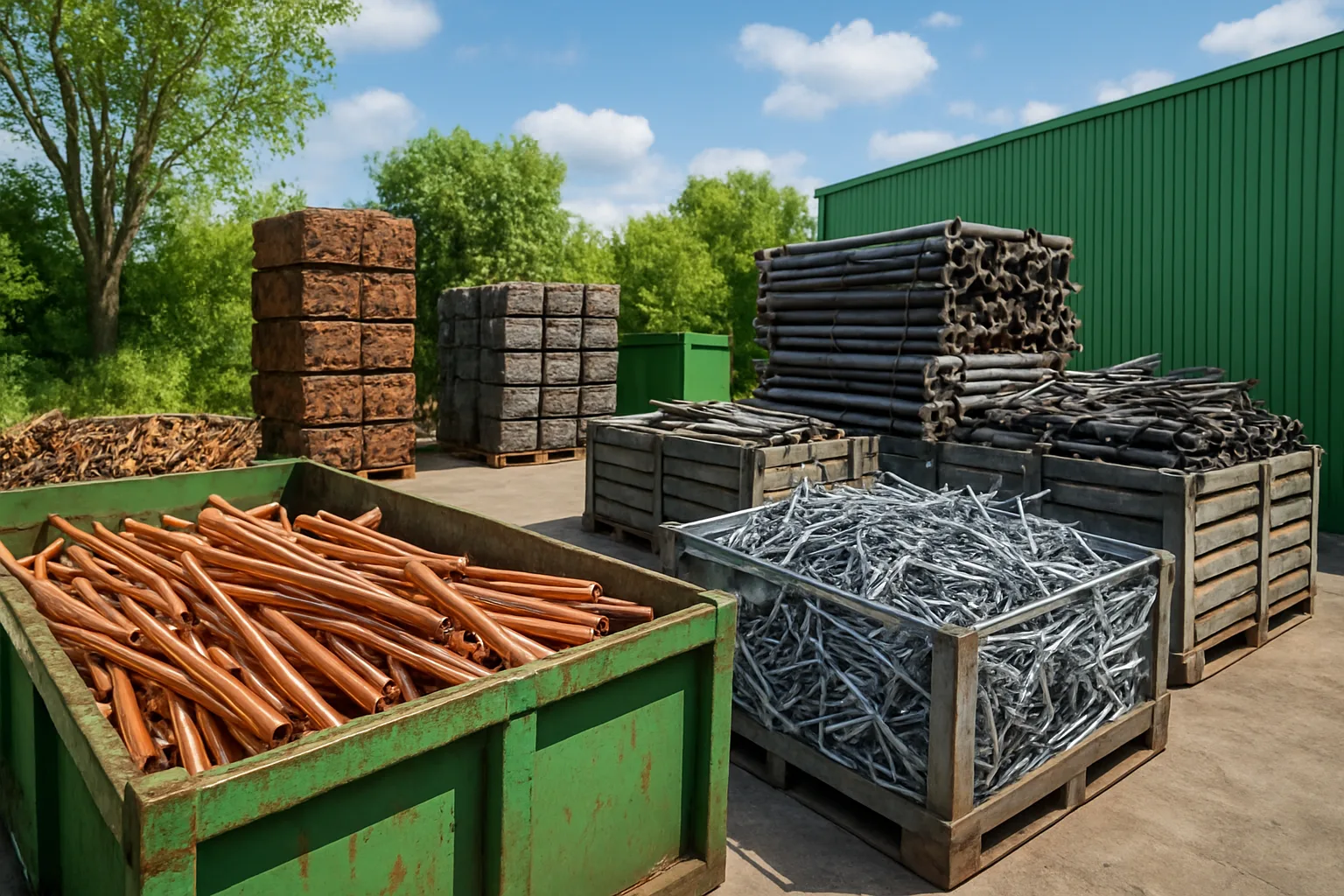
Most people selling scrap metal leave money on the table — not because the metal isn't valuable, but because they sold it to the first buyer they found. If you're sitting on a load of copper wire, old radiators, or a pile of mixed metals, the copper scrap price today matters — but who you sell to matters just as much.
Finding the best buyer for your scrap isn't complicated. It just takes knowing what to look for, what to avoid, and how the market actually works in 2026. Whether you're a first-timer cleaning out a garage in Oshawa or a yard operator moving regular loads across Ontario, this guide breaks it down.
Why the "Nearest Buyer" Isn't Always the Best Buyer
It's tempting to Google "sell scrap metal near me" and take the first result. Quick, easy, done. But quick doesn't mean best. Local scrap yards set their own prices, and without competition, there's no pressure to offer you fair market value.
This is the core problem with the old way of selling scrap. One call. One price. Take it or leave it. That yard knows you're not going to drive to four different locations to compare quotes on a Tuesday afternoon. So they offer what they can get away with — not what the market actually supports.
The scrap metal prices today are shaped by global commodity markets, local supply and demand, and what buyers are actually willing to pay right now. The gap between what one yard offers and what a competitive market delivers can be significant — especially on high-value metals like copper, brass, and aluminum.
Understanding Copper Scrap Price Today in Canada
Copper is the metal that gets people's attention. It's traded globally, it's sensitive to economic shifts, and in 2026, it continues to be one of the most actively priced metals on any scrap yard's board. The copper scrap price today in Canada is influenced by London Metal Exchange (LME) benchmarks, the CAD/USD exchange rate, and domestic demand from manufacturers and refiners.
What that means practically: copper prices can shift week to week, sometimes day to day. A load of bare bright copper wire is going to fetch a different price than insulated wire, #1 copper, or mixed low-grade copper. Grade matters. Condition matters. And so does the buyer you're dealing with.
Here's what affects the copper scrap price you actually receive:
- Metal grade: Bare bright, #1, #2, and insulated copper all carry different values. Know your grade before you negotiate.
- Contamination: Plastic, rubber, and other non-metal materials reduce the value of your load.
- Volume: Larger loads often attract better per-pound rates. Buyers want volume.
- Timing: Market prices shift. Selling when prices are up matters.
- Buyer competition: A single buyer has no reason to bid aggressively. Multiple buyers do.
To check today's Canadian scrap metal prices before you sell, use a reliable pricing resource — not the number a yard threw at you over the phone without seeing your material.
How to Find the Best Scrap Metal Buyer in Oshawa and Ontario
If you're based in Oshawa or anywhere across Ontario, you've got options — but not all of them are equal. Local scrap yards vary widely in what they pay, how they handle documentation, and how straightforward their process actually is. Some are great. Others are still running the same playbook from 20 years ago: weigh it, offer a number, hope you don't ask questions.
Here's how to approach finding the right buyer:
- Know your metal before you call. Sort your loads. Separate your copper from your aluminum, your steel from your stainless. Mixed loads get priced at the lowest-value metal in the pile.
- Get more than one quote. Call two or three yards. Even if you end up selling to the first one, you'll know if the price is competitive.
- Ask how they price. A reputable buyer will reference market benchmarks. If they can't explain their pricing, that's a red flag.
- Check their documentation process. For larger loads, buyers should be issuing proper BOLs and packing lists. Sloppy paperwork is a sign of a sloppy operation.
- Use platforms that create competition. This is where the game changes.
For Oshawa scrap metal services, understanding the local market is step one — but connecting with vetted buyers beyond your immediate area is step two. That's where platforms like SMASH come in.
How SMASH Changes the Way You Sell Scrap Metal for Cash
The old model puts all the power with the buyer. You call them. They set the price. You decide whether to accept or walk away — usually without enough information to know if the price is fair.
SMASH flips that. It's a scrap metal auction platform that connects sellers with vetted buyers across North America. Instead of one offer from one yard, your load gets in front of multiple qualified buyers who compete for it. More buyers means better price discovery. Competition can help reveal what the market actually thinks your material is worth.
There are no subscription fees. SMASH only wins when the seller wins — the model is built around that alignment. For sellers who are tired of guessing whether they got a fair price, that matters.
The platform also handles the documentation side: photo documentation, serial tracking for high-value materials like catalytic converters, auto-invoicing, and proper record-keeping. If you've ever had a deal fall apart over sloppy paperwork — or had a dispute about what was actually in a load — you'll appreciate having that covered.
Visit smashrecycling.ca to see how the auction model works for sellers across Ontario and beyond.
What to Know About Scrap Metal Prices Today — Beyond Copper
Copper gets the headlines, but it's not the only metal worth tracking. If you're selling scrap metal for cash, you should know the general landscape across common metals in Canada right now.
Aluminum is everywhere — sheet, extrusions, cast, wire, rims. Prices vary significantly by grade. Cast aluminum and sheet aluminum don't pay the same. Clean aluminum gets better rates than painted or contaminated material. In 2026, aluminum demand from the EV and construction sectors continues to support pricing, though it remains more volatile than copper on a per-pound basis.
Stainless steel pricing is driven by nickel content — and nickel has been a volatile commodity. Knowing your alloy grade (304 vs. 316, for example) affects what you'll get paid. Buyers who can verify the material through XRF testing will pay more confidently than those who are guessing.
Steel and iron move in volume. The per-pound rate is lower than non-ferrous metals, but if you're moving heavy ferrous loads, the spread between a good buyer and a poor one can still add up. HMS (heavy melting steel), shredded steel, and clean iron all grade differently.
Catalytic converters (cats) deserve their own conversation. Prices vary dramatically by vehicle make, model, and the precious metal content inside. VIN lookup and serial tracking — features built into SMASH's platform — exist specifically for this reason. Don't sell cats blindly based on a flat per-unit price without knowing what's inside them.
To find current Canadian scrap metal prices across all these categories, use a dedicated pricing resource updated for today's market — not last month's posted rates.
Getting Ready to Sell: Tips That Actually Move the Needle
Preparation separates sellers who consistently get solid prices from those who consistently get low-balled. It's not complicated — it just takes a bit of discipline before you show up at a yard or post a load.
Sort everything. Mixed loads hurt your rate. Spend 20 minutes separating copper from brass from aluminum from steel. That separation pays for itself many times over.
Document what you have. Photos of your load — before transport — protect you if there's a dispute. They also give remote buyers confidence to bid more aggressively when they can see exactly what they're buying.
Know the weight. Estimated weights versus actual weights can create friction at the yard. If you're moving significant volume, weigh your load before you go.
Time your sale when you can. Prices move. If you're not in a rush, watch the market for a week or two. Read the latest Canadian scrap metal market updates to stay informed on which direction prices are trending before you commit.
Use competition to your advantage. Whether that means calling multiple yards or using an auction platform, never accept the first offer as the only offer.
Sellers in Oshawa and across Ontario who treat scrap like a commodity — tracked, documented, and sold through a competitive process — consistently do better than those who wing it. That's not luck. That's process.
If you're ready to stop guessing and start selling with real market transparency, the pricing data and tools are available to you right now. Check today's Canadian scrap metal prices and get current rates at scrap-metal-prices.ca — and when you're ready to sell competitively, SMASH is built for exactly that.
Disclaimer: Scrap metal prices fluctuate daily based on commodity markets, grade, volume, and buyer demand. Always verify current rates before selling.
Frequently Asked Questions
Q: What is the copper scrap price today in Canada?
Copper prices in Canada shift daily based on LME benchmarks and the CAD/USD exchange rate. The price also varies by grade — bare bright, #1, #2, and insulated copper all pay differently. Check a current pricing resource before selling rather than relying on posted rates from weeks ago.
Q: How do I find the best scrap metal buyer in Oshawa?
Start by sorting your material by metal type, then get quotes from more than one buyer. Platforms like SMASH connect sellers with vetted buyers across Ontario and North America, creating competition that helps reveal true market value. Don't settle for one offer if you don't have to.
Q: Does sorting my scrap metal really make a difference in what I get paid?
Yes — significantly. Mixed loads are priced at the lowest-value metal in the pile. Separating copper from aluminum from steel takes time, but it directly increases your per-pound return. Buyers price what they can clearly identify.
Q: Are scrap metal prices the same across Ontario?
No. Individual yards set their own prices, and there's no obligation to match regional or national averages. That's why creating competition among buyers — rather than accepting one yard's offer — matters. Prices in Oshawa may differ from what a buyer in another part of the province offers for the same material.
Q: What metals are worth the most at scrap yards right now?
Copper consistently tops the list, followed by brass, aluminum, and stainless steel. Catalytic converters can be extremely valuable depending on the make and model — but pricing varies widely. Always verify current rates and use platforms with proper serial tracking and documentation for high-value materials.
Stay ahead of the market — follow SMASH on LinkedIn for scrap metal industry updates, pricing insights, and auction news: linkedin.com/company/scrap-metal-auction-sales-hub.