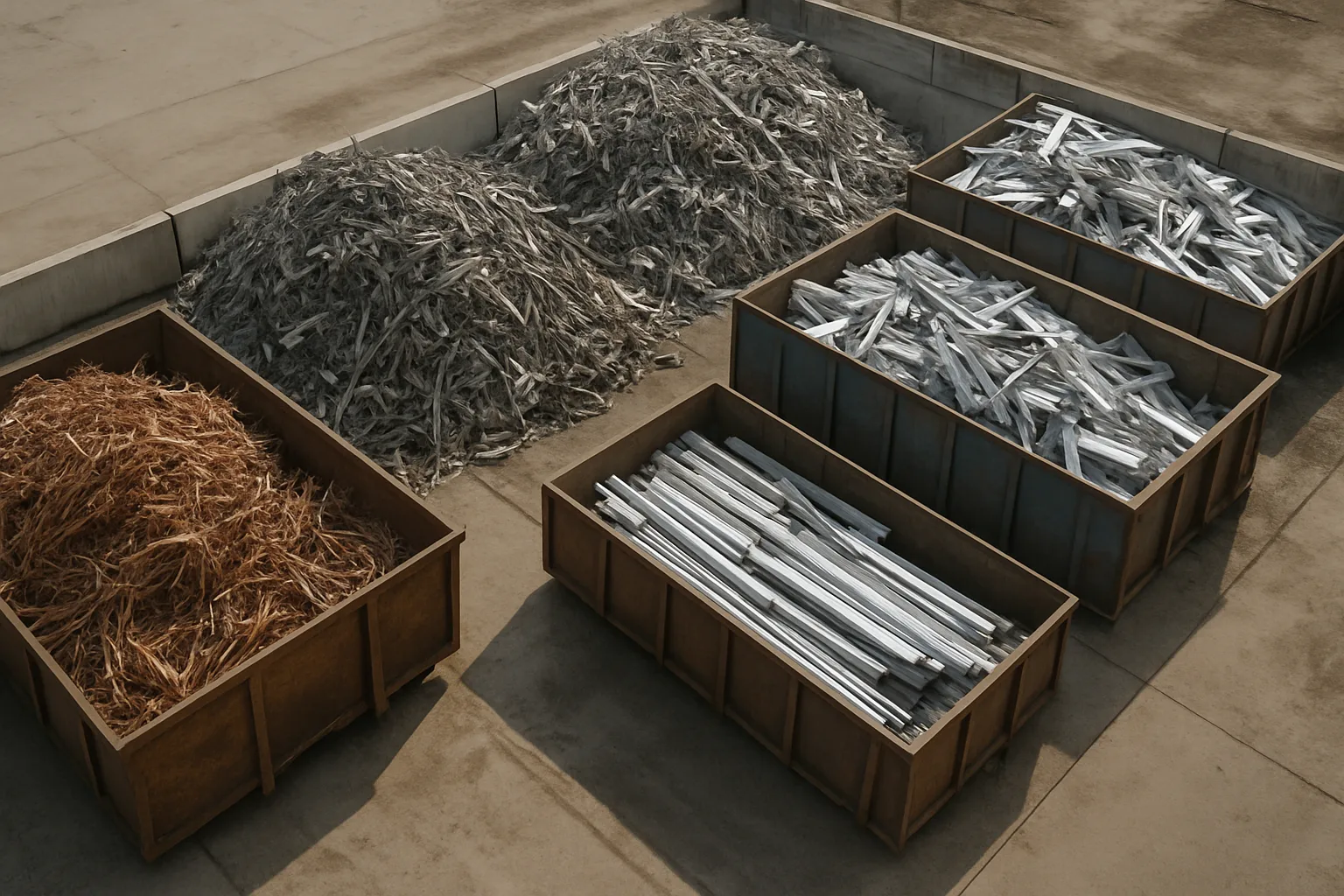
Every major construction project in Canada is also a scrap metal opportunity — most people just don't realize it. Whether it's a building tear-down, a bridge retrofit, or a new commercial development, construction and demolition (C&D) sites generate enormous volumes of recoverable metal. If you're looking to sell scrap metal in Prince George, understanding where this material comes from — and how to price it right — puts money directly in your pocket.
British Columbia's resource economy keeps construction activity high year-round. From road infrastructure upgrades to residential development sprawl, the region consistently produces scrap streams that recyclers, contractors, and yard operators can profit from. The problem? Most of that metal doesn't get priced properly because sellers don't know what they have or what it's worth before they haul it in.
This week's market recap breaks down the C&D scrap stream — what's coming off job sites, what it's worth in today's market, and how to stop leaving money on the table when you sell.
---What Construction and Demolition Sites Actually Produce
The scrap metal coming off a C&D site isn't one clean category. It's a mix — some high-value, some low, and some that requires sorting before it becomes sellable. Knowing the difference matters before you load a truck.
Here's what typically comes off a job site in significant volumes:
- Structural steel — beams, columns, rebar, angle iron. High volume, lower per-pound price. Ferrous material that moves by weight.
- Copper wiring and pipe — electrical conduit, plumbing runs, HVAC lines. High-value non-ferrous. Often the most profitable material on a demolition site.
- Aluminum — window frames, door frames, roofing panels, ductwork, cable tray. Mid-tier value. Aluminum scrap price today is heavily influenced by global aluminum futures and the Canadian dollar exchange rate against USD.
- Stainless steel — commercial kitchen equipment, medical or lab facilities, industrial exhaust systems. Graded separately from regular steel.
- Cast iron — old radiators, pipes, drain systems in older buildings.
- Brass fittings and valves — plumbing fixtures, gate valves, manifold connections.
- Insulated wire — lower value than bare copper but still recoverable non-ferrous material.
A single commercial demolition in a city like Prince George can produce tens of thousands of pounds of mixed metal. The variance in value per load is massive depending on how well the material is sorted before it hits the scale. Contaminated loads — metal mixed with concrete, wood, or insulation — pay less. Clean, sorted material pays more. That's not a suggestion. That's how the market works.
---How C&D Scrap Affects Aluminum Scrap Price Today in Canada
Aluminum is one of the most consistent non-ferrous materials coming off modern construction sites. New builds use it everywhere — curtain wall systems, exterior cladding, HVAC ducting, cable management trays. Demolitions of commercial buildings from the 1980s onward typically yield significant aluminum volumes.
Right now, aluminum scrap price in Canada reflects a combination of factors that C&D sellers need to track:
- LME (London Metal Exchange) aluminum spot price, which sets the global baseline
- USD/CAD exchange rate — most non-ferrous pricing benchmarks in USD, so currency movement hits your CAD payout
- Grade of aluminum — extruded, sheet, cast, and mixed aluminum all pay at different rates
- Local supply and demand — regional yards in British Columbia price based on what they're seeing and what they can move
Aluminum from C&D sites often comes in mixed grades — some clean extrusion from window frames, some painted or coated sheet from roofing or cladding. Separating these before you sell isn't extra work for nothing. It's the difference between getting paid for clean material versus taking a blended low-ball rate on everything.
To check today's Canadian scrap metal prices before you sell, make that a habit — not an afterthought. Walking into a yard without knowing the market is how you get paid less than you should.
---The Prince George Market: What C&D Activity Looks Like Locally
Prince George sits at a major crossroads for northern British Columbia — literally and economically. Resource extraction, forestry infrastructure, municipal expansion, and highway corridor work all drive consistent C&D activity in and around the city. That translates to a steady flow of scrap metal hitting local yards throughout the year.
What makes the Prince George scrap market distinct from southern BC metros:
- Longer haul distances — material from remote job sites costs more to move, which affects net return for contractors and subcontractors
- Industrial feedstock mix — forestry and resource infrastructure produces heavy ferrous material (conveyors, equipment frames, structural steel) alongside standard C&D scrap
- Seasonal variation — construction activity peaks summer through early fall, which drives higher local supply and can soften local pricing during peak months
- Less buyer competition at the yard level — fewer buyers in a regional market means less price pressure on yards to compete aggressively
That last point matters. If you're selling volume — a full truck or multiple loads — you should never be accepting a single offer from a single buyer. That's the old way. One call, one price, take it or leave it. Platforms like the SMASH Recycling auction platform exist specifically to fix this problem by bringing vetted buyers into competition for your load.
If you're regularly pulling C&D scrap in the Prince George area, explore Prince George scrap metal services to understand what's available locally and how to get better price discovery on your loads.
---Scrap Metal Recycling Canada: Documentation and the Hidden Value of Clean Records
C&D scrap comes with paperwork requirements that many contractors overlook. Bill of lading (BOL), photo documentation, material origin records — these aren't bureaucratic noise. They're the difference between a smooth sale and a contested load at the scale.
In scrap metal recycling in Canada, documentation serves two purposes:
- Compliance — provincial regulations around metal purchasing require yards to record material origins. Documented C&D scrap with a clear chain of custody moves faster and with less friction.
- Value — documented, photographed, and serialized loads give buyers more confidence. A buyer bidding on a load of stripped copper pipe with photos and a clear description bids more aggressively than one bidding blind. That's not theory. That's how auction dynamics work.
SMASH includes inventory tools, photo documentation, and serial tracking specifically because documented loads perform better. If you're pulling material off a demolition and not photographing it before it goes on the truck, you're leaving information on the table — and information is pricing power.
For contractors managing multiple job sites and scrap streams, having a repeatable documentation process isn't optional anymore. Buyers expect it. Yards that can verify clean, documented loads price them accordingly.
---Copper Scrap Price in Canada: The C&D Metal Worth Protecting
Copper is the headline number on most demolition jobs. Copper scrap price in Canada moves with global demand, and it's been a high-value target for the recycling market for years. On a C&D site, copper shows up in several forms:
- Bare bright copper — the highest grade, clean wire with no insulation, highest per-pound return
- #1 copper pipe — clean plumbing pipe, uncoated, high value
- #2 copper — slightly oxidized, soldered joints, fittings attached — still valuable but discounted from #1
- Insulated copper wire — graded by copper recovery percentage; electricians' wire vs. light gauge building wire pay differently
- Copper from HVAC systems — refrigerant lines, condensers, coils — often includes aluminum, requires sorting
The gap between bare bright and #2 copper can be significant per pound. Sorting matters. Stripping insulated wire can dramatically improve your per-pound return — though it's worth calculating the labour cost against the price differential before you commit to stripping everything.
Before you move any load, find current Canadian scrap metal prices so you know where copper sits today. Prices move week to week. Walking in blind is how you get undercut.
---How to Sell C&D Scrap Smarter — Whether You're in Prince George or Hamilton
The same principles apply whether you're pulling scrap off a job site in Prince George, British Columbia or looking to sell scrap metal in Hamilton. The market rewards sellers who show up prepared.
Here's the framework that works:
- Sort on site — ferrous and non-ferrous separated before loading saves time at the yard and maximizes your per-pound rate
- Document everything — photos, weights where known, material descriptions, and job site origin
- Know your market before you go — check current rates, not last week's memory of what you got paid
- Don't take the first offer — if you have volume, competition is your friend. One buyer, one quote is not a market. It's a guess in someone else's favour.
- Use a platform that gets you to multiple buyers — SMASH brings vetted buyers into an auction format, which creates real price discovery instead of a single phone call
More buyers means better price discovery. That's not a tagline. That's basic economics applied to scrap. Read the latest Canadian scrap metal market updates to track what's moving in the market and time your sales accordingly.
The old way — one yard, one call, accept their number — costs you money every single time you have a competitive load to sell. If your C&D scrap is sorted, documented, and ready to move, it deserves a competitive market.
Start with what you know. Check your rates, sort your material, document your loads, and bring competition to your sale. That's it. Check today's Canadian scrap metal prices and get current rates at scrap-metal-prices.ca before your next haul — it takes two minutes and it costs you nothing.
Disclaimer: Scrap metal prices fluctuate daily based on global commodity markets, exchange rates, and local supply and demand. Always verify current rates before selling.
---Frequently Asked Questions
Q: What scrap metal is most common on construction and demolition sites?
Structural steel and rebar dominate by volume on most C&D sites. By value, copper wiring and pipe typically return the most per pound. Aluminum comes off modern commercial buildings in significant volume through window frames, ductwork, and cladding systems — all worth sorting and pricing separately.
Q: Where can I sell scrap metal in Prince George?
Local yards in Prince George accept C&D scrap, with pricing varying by yard and material grade. For larger loads, using a platform like SMASH gets your material in front of multiple vetted buyers rather than accepting a single local quote. More competition means better price discovery on volume loads.
Q: How does aluminum scrap price today in Canada get determined?
Aluminum scrap pricing in Canada tracks the LME spot price for aluminum, adjusted for the USD/CAD exchange rate and local market conditions. Grade matters significantly — clean extruded aluminum pays more than mixed or painted sheet. Check current rates at scrap-metal-prices.ca before selling, as prices shift week to week.
Q: Do I need paperwork to sell C&D scrap metal in British Columbia?
Yes. British Columbia has metal dealer regulations that require yards to document material origin and seller information. Having a clear bill of lading and job site documentation makes the transaction smoother and faster. Well-documented loads also tend to attract stronger bids from buyers who want to know exactly what they're purchasing.
Q: What's the best way to get the highest price for my C&D scrap metal?
Sort your material before you sell — ferrous and non-ferrous separated, with non-ferrous further sorted by grade where possible. Document with photos. Know current market pricing before you walk in. And for significant volumes, don't settle for a single buyer's quote — competitive auctions through platforms like SMASH put multiple buyers against each other and can reveal stronger market pricing than a single cold call to one yard.
---Follow SMASH on LinkedIn for weekly scrap metal market updates, pricing insights, and industry news: linkedin.com/company/scrap-metal-auction-sales-hub