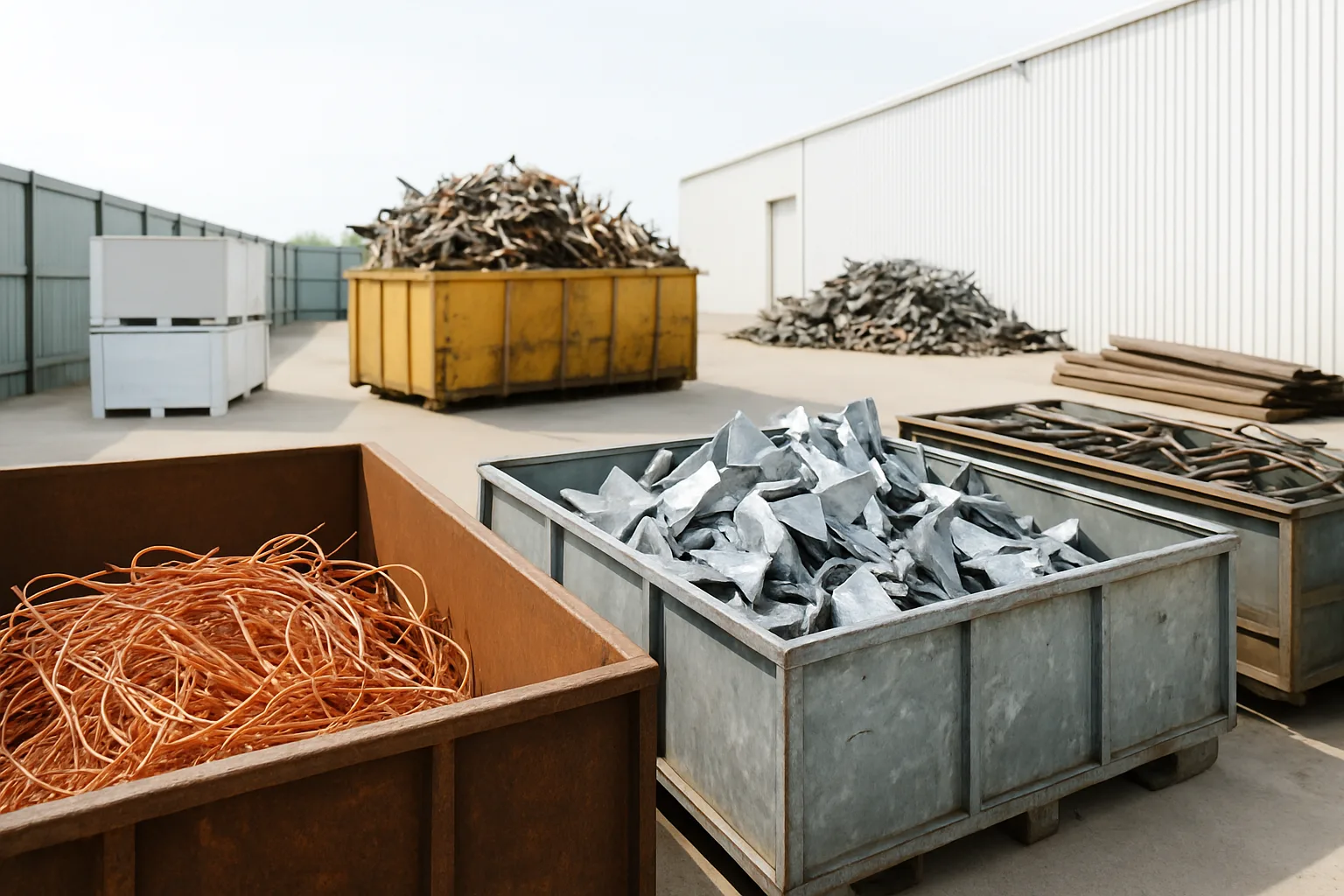
Why Sorted Scrap Sells for More — Every Time
Most sellers leave money on the table before they ever reach the auction. Not because their material is bad — because it's mixed, unlabeled, and unprepared. In a scrap metal auction, buyers bid based on what they can verify. If they can't verify it, they price in the risk. That risk comes straight out of your payout.
Sorting and preparing your scrap isn't busywork. It's the difference between getting market value and getting lowballed. Whether you're clearing a shop in Thunder Bay, moving a pile of copper wire, or selling a load of #1 steel, how you present your material determines how buyers respond to it. This guide breaks down exactly what to do — and why it matters when you're selling into a competitive market.
Know What You Have Before You List It — Steel Scrap Price Today and Beyond
Before you sort a single piece, you need to know what grades you're working with. The spread between scrap grades is significant. Bare bright copper trades at a very different rate than insulated wire or dirty copper. #1 heavy melt steel sits well above shredder scrap. Aluminum wheels fetch more than aluminum extrusion. Lumping everything together doesn't average out — it drags the whole load down to the lowest grade buyer's pricing.
Start by identifying your main material families:
- Ferrous metals — steel, iron, cast iron. Magnetic. Includes structural steel, sheet metal, car bodies, heavy melt, and light iron.
- Non-ferrous metals — copper, aluminum, brass, stainless, lead, zinc. Non-magnetic. Generally higher value per pound.
- Catalytic converters (cats) — tracked by serial number or VIN lookup. Never mix into general loads.
- Electronics and cores — starters, alternators, radiators, A/C units. Each category has its own grade and pricing.
If you're unsure of the grade, check today's Canadian scrap metal prices for current breakdowns by metal type. Knowing the spread between grades tells you where it's worth putting in the extra sorting time — and where it isn't.
How to Sort Scrap Metal Properly — The Grades That Actually Move the Needle
Sorting correctly means separating by grade within each metal family, not just by metal type. Throwing all your copper into one bin is a start. But mixing bare bright with insulated wire and dirty copper still costs you. Here's how to approach each major category.
Copper
Copper pricing in Canada rewards clean, separated material hard. If you want to know how to sell scrap copper for top dollar, it starts at the sorting stage. Strip your insulated wire where labour makes sense — bare bright commands a significant premium over #1 or #2 copper. Keep plumbing copper, roofing copper, and dirty copper (attached to other metals or contaminants) separated. Don't mix brass fittings into copper loads.
Aluminum
Aluminum is one of the most grade-sensitive metals in the yard. Wheels, extrusion, sheet, cast, and insulated aluminum wire all price differently. In Ontario, aluminum moves in volume — and buyers on a scrap metal auction platform will pay better for clean, sorted aluminum than for a mystery mix. Break aluminum away from steel and plastic before listing. Even partial cleanup makes a measurable difference.
Steel and Ferrous
Steel grades matter more than most sellers realize. #1 heavy melt (clean, uncoated, unprepared pieces over a specific length) trades above shredder and light iron. Remove non-ferrous attachments — copper wiring, aluminum trim, plastic components — before your load gets weighed. A mixed ferrous load at a yard often gets classified at the lowest grade present. Don't let mixed material drag down clean steel.
Catalytic Converters
Cats are in a category of their own. Never lump them into a general load. Each unit has a serial number tied to precious metal content — platinum, palladium, rhodium. Platforms like SMASH offer serial tracking and VIN lookup so buyers know exactly what they're bidding on. In Thunder Bay, where automotive recycling and fleet operators generate consistent cat volumes, proper documentation directly impacts what you receive per unit.
Prepare Your Load for Documentation — Sell Scrap Metal Online the Right Way
Sorting is half the work. Documentation is the other half — and it's where most sellers fall short when they try to sell scrap metal online. Buyers on a digital auction platform aren't standing in your yard. They're making bid decisions based on what you show them. Photo documentation, weight estimates, and accurate descriptions are your selling tools.
Here's what proper load documentation looks like:
- Photos of each grade, separated. Show the material clearly — not a pile of mixed scrap shot from 15 feet away. Close-up shots of copper, aluminum, and steel separately tell buyers what they need to know.
- Estimated weights by grade. You don't need a certified scale for every bucket, but reasonable weight estimates help buyers bid with confidence. Vague quantities produce conservative bids.
- Accurate material descriptions. If it's #1 bare bright copper, say that. If it's insulated wire with mixed insulation, say that too. Overselling grade gets flagged at delivery and damages your reputation with buyers.
- Serial numbers on cats and cores. Don't skip this step. Undocumented converters are a red flag for buyers and will suppress bids.
- Packing list and BOL ready for pickup. Clean paperwork speeds up settlement and avoids disputes at the gate.
SMASH builds these documentation tools directly into the platform — inventory management, photo uploads, serial tracking, and auto-invoicing. It's designed so the process doesn't slow you down. Get competitive bids for your scrap in Canada by listing material that buyers can actually evaluate.
Why Competition Beats the One-Buyer Phone Call — Best Scrap Metal Prices Ontario
Here's the reality of the old model: you call one buyer, they quote a number, and you take it or leave it. There's no way to know if that number reflects the market. There's no pressure on the buyer to move up. And if they're having a slow week, you absorb that too.
A scrap metal auction flips that. Multiple vetted buyers compete on the same documented load. When buyers compete, price discovery is real — not a number pulled from someone's margin calculation. This is especially relevant in markets like Thunder Bay, where sellers may have fewer local buyers to compare against. A digital auction extends your reach beyond whoever happens to be operating near you, giving you access to buyers across Ontario and beyond.
The math is simple: better-prepared loads attract more confident bids, and more bids produce better outcomes. No subscription fees. SMASH only earns when you sell. That alignment matters.
To understand where the market sits right now, find current Canadian scrap metal prices by metal type before you list. Knowing current copper scrap price Canada benchmarks and aluminum scrap price Canada rates tells you whether bids are hitting market or coming in short.
Thunder Bay-Specific Tips for Selling Scrap This Season
Thunder Bay yards handle a wide mix — industrial scrap from the resource sector, automotive material, construction demo scrap, and non-ferrous from residential sources. If you're in Thunder Bay or anywhere in Northwestern Ontario, a few regional factors are worth keeping in mind heading into the fall market.
Seasonal volumes tend to shift as construction wraps up and automotive recyclers process summer inventory. Non-ferrous prices — particularly copper and aluminum — track global commodity markets, which have been active in 2026. Sorting your load now, before peak fall volume hits the yards, means you're presenting clean material when buyers have the appetite to bid competitively. Waiting until everyone else is also selling means more competition for buyer attention.
If you're new to digital auctions, Thunder Bay scrap metal services offered through platforms like SMASH give local sellers a structured way to access vetted buyers without cold-calling around town. The process is the same whether you're selling a pickup truck load of copper or a multi-tonne steel consignment.
For ongoing SMASH scrap market updates and pricing context, read the latest Canadian scrap metal market updates — it's worth tracking where the market is heading before you finalize your listing.
Disclaimer: Scrap metal prices fluctuate daily based on commodity markets, regional demand, and material grade. Always verify current rates before selling.
Frequently Asked Questions
Q: Does sorting my scrap really make a difference in what I get paid?
Yes — significantly. Buyers price mixed or unsorted loads conservatively because they're factoring in sorting labour and grade uncertainty. Clean, separated material by grade gives buyers the confidence to bid at or near market. It's one of the highest-return actions a seller can take before listing.
Q: How does a scrap metal auction work for sellers in Thunder Bay?
You list your load with photos, weights, and grade descriptions on a platform like SMASH. Vetted buyers across Ontario and beyond review your listing and submit competitive bids. The process removes the single-buyer dynamic and gives you real price discovery on your material. No subscription fees — SMASH earns only when you sell.
Q: What's the best way to find the steel scrap price today in Canada?
Check a dedicated Canadian scrap metal pricing resource before you list or sell. Prices vary by grade, region, and daily market conditions — so checking current benchmarks gives you a baseline to evaluate the bids you receive. Never sell blind.
Q: How do I sell scrap copper for the best price?
Strip insulated wire where it makes sense, separate your grades (bare bright, #1, #2, dirty copper), and document each grade separately with photos and weight estimates. Listing clean, graded copper on a competitive auction platform — rather than calling a single buyer — exposes your material to more bidders, which supports better price discovery.
Q: Can I use a scrap metal auction platform if I'm not near a major city?
Yes. Digital platforms like SMASH are built for exactly this situation. Sellers in Northwestern Ontario and other regions outside major urban centres can access vetted buyers across a much wider geography than local-only options allow. Your location doesn't limit your buyer pool when you sell online.
---Before your next load leaves the yard, take the time to sort, document, and price-check. The effort is real — so is the return. Check today's Canadian scrap metal prices at scrap-metal-prices.ca to see where the market sits right now, then list prepared material where buyers compete for it.
Follow SMASH on LinkedIn for ongoing scrap metal market insights, pricing updates, and industry news across Canada.