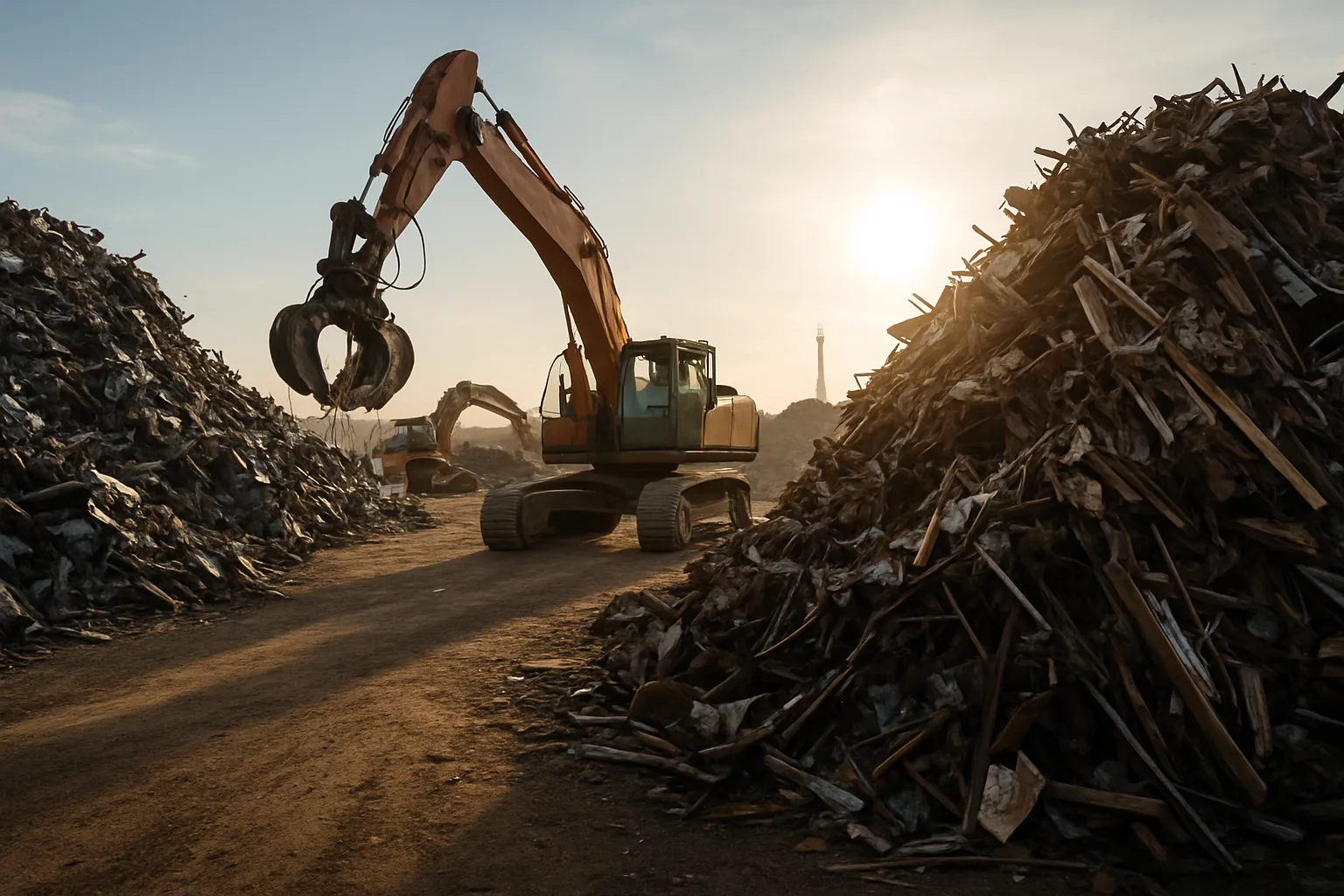
Why Sorting Your Scrap Metal Before You Sell Is Worth the Extra Hour
Most sellers leave money on the table before they even pull into the yard. Not because the market is bad or the buyer is lowballing them — but because their load is a mixed-up mess that forces the buyer to price everything at the lowest common denominator. In scrap metal recycling Prince George, that gap between a sorted load and an unsorted one can be significant. One hour of prep can change what you walk away with.
This isn't theory. Yards price mixed loads conservatively because they have to. Separation is their labor, not yours — and they charge for it. Bring in clean, sorted material and you take that cost off the table. Buyers can bid on what they're actually getting. That's how you get closer to real market value.
Know What You Have: The Metal Categories That Matter Most
Before you start sorting, you need to know what you're looking at. Scrap metal broadly divides into two families: ferrous (iron and steel) and non-ferrous (everything else). Non-ferrous is where the real value sits — copper, aluminum, brass, stainless steel, and lead all trade at meaningfully higher rates than steel. A magnet is your first tool. If it sticks, it's ferrous. If it doesn't, you've got something worth paying closer attention to.
Within non-ferrous, quality grades matter. Copper alone has multiple grades — bare bright, #1 copper, #2 copper, and copper wire all price differently. Aluminum comes in sheet, cast, extrusion, and clip grades. Mixing these together doesn't just hurt your price — it hides your value. If you're in Prince George pulling material from demolition sites, job sites, or old machinery, you're likely sitting on a mix that rewards careful separation.
Common categories to sort into:
- Bare bright copper — clean, uncoated wire 16 gauge or heavier
- #1 copper — clean pipe and wire, no solder or insulation
- #2 copper — oxidized or lightly soldered copper
- Aluminum extrusion — window frames, door frames, clean profiles
- Aluminum cast — engine blocks, wheels, heavier castings
- Brass — fittings, valves, plumbing fixtures
- Stainless steel — appliances, kitchen equipment, industrial parts
- Ferrous steel — structural steel, sheet metal, car bodies
Copper Scrap Prices in Prince George: Why Prep Changes What You Earn
Copper is the metal that rewards preparation most visibly. Copper scrap prices in Prince George — like everywhere in British Columbia — track global copper markets closely, but the grade you present determines which price on that scale you actually receive. Bare bright copper and #1 copper consistently command the top of the range. Dirty, coated, or mixed copper drops quickly into #2 or insulated wire territory, which can be 30–50% lower depending on the day.
Strip your wire where you can. Remove insulation from copper wire to move it up a grade. Clean off fittings. Pull out solder connections. None of this takes specialized tools — a wire stripper and twenty minutes on a pile of cable makes a measurable difference. If you want to check today's Canadian scrap metal prices before you head to the yard, do it first. Knowing the current spread between grades helps you decide how much prep time is actually worth it on that day's market.
The same logic applies to aluminum. Aluminum scrap value per pound shifts depending on alloy type and cleanliness. Dirty cast aluminum with steel inserts prices below clean extrusion. Painted or coated aluminum clips below clean sheet. Separate what you can. Even basic sorting — keeping cast separate from extrusion — puts you in a stronger position when you're ready to sell.
Practical Sorting Steps Before You Load the Truck
You don't need a full processing facility to sort effectively. A few bins, some basic tools, and a system are enough to dramatically improve what you bring to market. Here's a straightforward workflow that works whether you're clearing a single job site or managing ongoing material from a commercial operation.
- Run a magnet pass first. Pull everything ferrous out of the pile. It prices separately and contaminates your non-ferrous grades if it stays mixed in.
- Identify your copper. Pull all copper — wire, pipe, fittings — into a single pile, then sub-sort by grade. Bare bright in one bucket, #1 in another, #2 and insulated wire in a third.
- Separate your aluminum by type. Cast, extrusion, and sheet all have different buyers and different values. Keep them apart from the start.
- Isolate your brass. Brass often hides inside mixed non-ferrous. Valves, plumbing fittings, and yellow-toned pipe fittings are usually brass — worth pulling out specifically.
- Document with photos. If you're using a platform like the SMASH Recycling auction platform, photo documentation of your sorted loads helps buyers bid more confidently. Better documentation often means better bids.
- Remove attachments that hurt your grade. Steel bolts in aluminum. Rubber on copper pipe. Plastic end caps on fittings. Take them off. They drop your grade.
This process sounds like extra work. It is — marginally. But the payoff on a substantial load is almost always worth it. If you're regularly selling material in Prince George, building this habit into your process pays compounding returns over time.
How to Sell Scrap Metal Online for Better Price Discovery
The old model — one phone call, one buyer, one price — doesn't serve sellers. It serves buyers. When you sell scrap metal online, you introduce competition. Multiple buyers see your load, assess your documentation, and bid against each other. That's how markets are supposed to work, and it's how you get closer to actual market value instead of whatever a single buyer decides to offer that morning.
SMASH is built specifically for this. The platform connects yards and sellers with vetted buyers across North America through a competitive auction format. Sorted, documented loads perform better in that environment — because buyers can see exactly what they're bidding on. Vague or mixed loads introduce uncertainty, and buyers price uncertainty conservatively.
If you want to find current Canadian scrap metal prices and understand where your material sits relative to today's market, that information arms you before you list or walk into any negotiation. Price transparency is a tool. Use it.
For sellers in British Columbia, particularly in regions like Prince George where local buyer competition can be more limited than in larger metro areas, access to a broader buyer pool through an online platform can make a real difference. More buyers means better price discovery — especially on non-ferrous loads with real value in them. You can explore Prince George scrap metal services to understand what's available locally and how to get started.
What Regulation Updates in 2026 Mean for Scrap Sellers in British Columbia
British Columbia has continued tightening documentation requirements for scrap metal transactions in 2026, particularly around high-theft metals like copper and catalytic converters. Sellers — especially commercial operations and contractors — increasingly need to provide proof of source for copper loads above certain thresholds. This isn't new in principle, but enforcement and record-keeping expectations have matured.
For practical purposes, this means your documentation habits aren't just about getting better prices — they're also about compliance. Photos of material, source documentation, and consistent record-keeping protect you in the event of any questions from buyers or regulators. The platforms and practices that support price transparency also support the kind of documentation trail that keeps you on the right side of these requirements.
If you're a commercial scrap generator in Prince George — a contractor, industrial operator, or recycling yard — staying current on provincial requirements is part of doing business cleanly. Platforms like SMASH include features like serial tracking and photo documentation that help build the kind of records regulators and buyers alike expect. To stay on top of evolving market conditions and industry news, read the latest Canadian scrap metal market updates regularly.
Prices fluctuate daily based on global commodity markets, local supply, and exchange rates. Always verify current rates before selling — what was true last week may not be true today.
Frequently Asked Questions
Q: What scrap metal is worth the most in Prince George right now?
Copper consistently ranks at the top, particularly bare bright and #1 copper. Brass and aluminum extrusion also carry strong values relative to their weight. Prices shift with global markets, so always check today's Canadian scrap metal prices before you sell to know where the market sits on any given day.
Q: How do I know which grade of copper I have?
Bare bright is clean, uncoated copper wire at 16 gauge or heavier with no tarnish. #1 copper includes clean pipe and wire that may have some oxidation but no solder, paint, or insulation. #2 copper covers material with light solder, oxidation, or minor coatings. Insulated wire — with the plastic jacket still on — grades separately and lower. When in doubt, strip and clean what you can.
Q: Is it worth sorting small amounts of scrap, or only large loads?
Even on smaller loads, sorting copper from aluminum from steel prevents the worst-case scenario of everything pricing at the lowest grade. On larger loads the financial payoff is more obvious, but the habit is worth building at any scale. A sorted small load also moves faster at the yard.
Q: Can I sell scrap metal online from Prince George?
Yes. Platforms like SMASH connect sellers with vetted buyers across North America, which expands your buyer pool well beyond local options. For non-ferrous loads with real value — copper, aluminum, brass — accessing more buyers through a competitive auction format can improve price discovery meaningfully compared to a single-buyer transaction.
Q: Do I need documentation to sell scrap metal in British Columbia in 2026?
Yes, particularly for copper and other high-value or high-theft metals. British Columbia's requirements have continued to evolve, and commercial sellers especially should maintain source documentation, photo records, and transaction logs. Check current provincial requirements and consult your local yard for specifics — requirements can vary by metal type and transaction size.
If you're preparing a load and want to know what it's actually worth before you sell, start with the data. Get current rates at scrap-metal-prices.ca and go into any transaction — at the yard or online — knowing where the market stands today.
Follow SMASH on LinkedIn for ongoing scrap metal market insights, industry updates, and platform news from across North America.