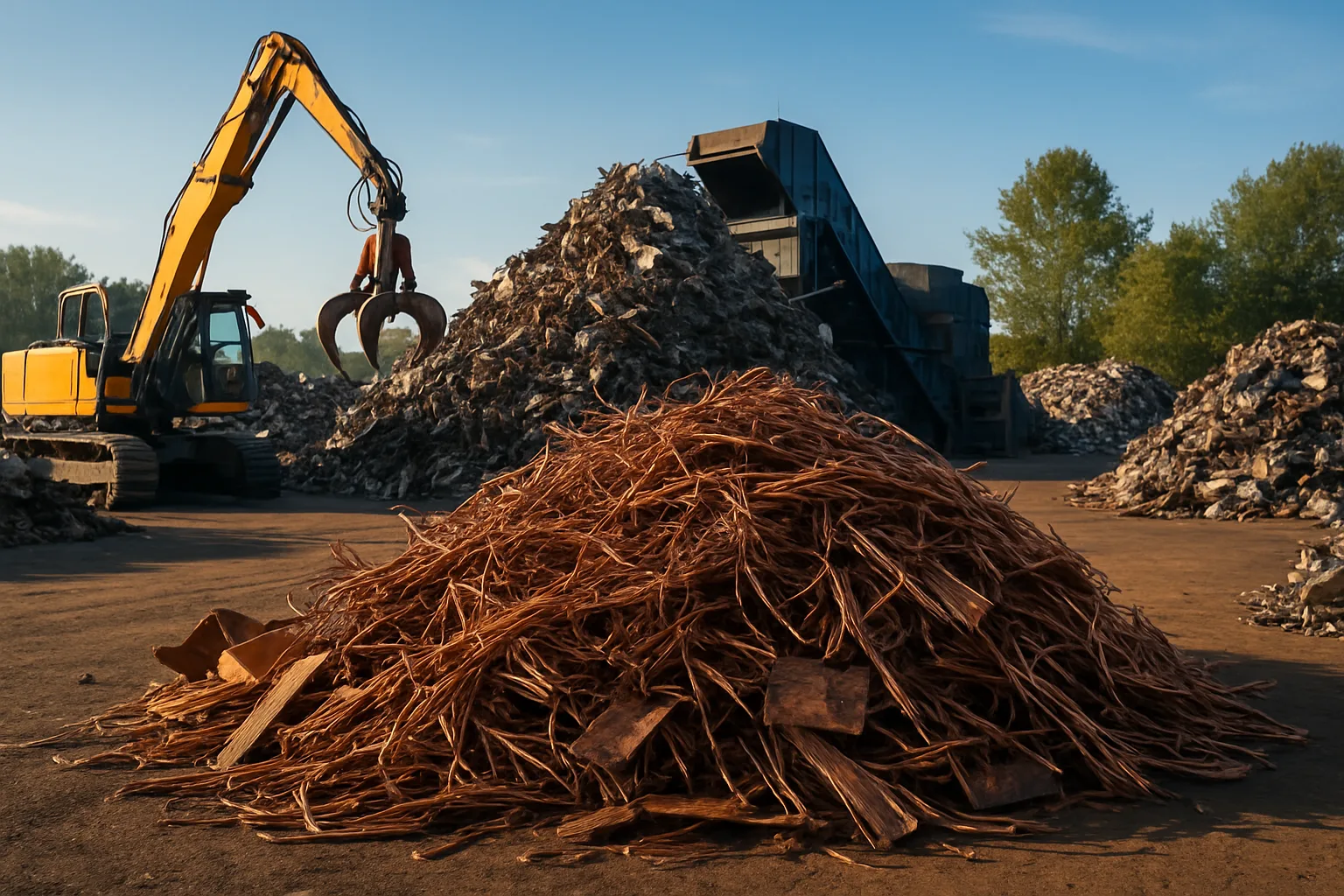
What Really Happens When You Drop Off Scrap — And Why It Affects Your Payout
Most sellers focus on one number: the copper scrap price today. But here's what most people miss — the price posted on the board isn't always the price you walk away with. How a yard weighs and grades your load determines the final payout. And if you don't know how that process works, you're negotiating blind.
This isn't a knock on yards. Most are running honest operations. But the weighing and grading process is where money gets made or lost — and understanding it puts you in a stronger position before you show up at the gate. Whether you're hauling a truck bed of copper wire from a job site or dropping off a mixed non-ferrous load in Gatineau, the same rules apply.
To check today's Canadian scrap metal prices before your next run, you need both the posted rate and a clear picture of how your material will be classified. One without the other leaves money on the table.
The Scale: Where Every Scrap Transaction Starts
When you pull into a yard, your first stop is the scale — a drive-over platform scale that records your vehicle's gross weight. You offload your material, pull back onto the scale, and the yard calculates the net weight: gross minus tare (your empty vehicle). That difference is what you get paid on.
Scale accuracy matters. Certified commercial scales are legally required to be calibrated on a regular schedule, and reputable yards keep their certification current. If you're a regular seller, it's worth knowing when a yard last calibrated its scale. Most will tell you without hesitation. If a yard gets defensive about that question, pay attention.
A few things that affect net weight more than sellers expect:
- Moisture: Wet scrap is heavier. Some yards will flag and dock for visibly wet material, especially shredded or loose loads.
- Attachments: Fittings, brackets, insulation, and plastic still attached to copper or aluminum reduce the grade — sometimes bumping you to a lower price tier entirely.
- Container weight: Drums, bins, and pallets are tared separately. Don't assume your container weight is already accounted for.
- Mixed loads: If you bring a mix of metals in one bin, the yard may weigh the whole load at the lowest-grade rate unless you've pre-sorted.
Sorting before you arrive isn't just about convenience. It's about protecting your payout. A load of clean #1 copper priced separately pays better than the same copper buried in a mixed bin priced at a blended rate.
How Grading Works — And What It Costs You to Get It Wrong
Once your material is weighed, the yard grades it. Grading determines which price tier your metal lands in — and the gap between grades can be significant. The scrap metal prices today you see on a board or a pricing site like scrap-metal-prices.ca are typically posted by grade. Understanding those grades is the whole game.
Take copper as an example. The industry uses a tiered classification system that most North American yards follow, though terminology can vary slightly by region:
- Bare Bright Copper (#1 Copper Wire): Clean, uncoated, unalloyed copper wire or bus bar — no insulation, no solder, no fittings. This is the top tier.
- #1 Copper: Clean copper pipe or wire with minimal oxidation. No paint, no attachments, no solder.
- #2 Copper: Copper with some oxidation, light coating, or minor contamination. Painted pipe, light-gauge wire with fittings, or copper that's been soldered typically falls here.
- Light Copper / #3 Copper: Heavily oxidized, coated, or alloyed copper. Old sheet copper, dirty radiators, or copper mixed with other metals.
- Insulated Wire: Copper still inside its insulation. The yard factors in a recovery percentage — the estimated copper content after stripping. A higher copper percentage (thick gauge wire) pays more per pound than thin comm wire or Christmas light strands.
The price difference between Bare Bright and #2 copper can be substantial — sometimes 20 to 40 percent. That gap is why preparation matters. If you're selling a significant volume, stripping wire, removing fittings, and cleaning up your material before the drop isn't wasted time. It's paid time.
Yards in Gatineau and across Quebec follow similar grading conventions, though buyers may use slightly different terminology. When in doubt, ask the yard to explain their grade classification before they sort your load — not after.
What Inspectors Look For Beyond the Grade Label
Beyond the standard grading tiers, experienced yard inspectors look for specific red flags that can trigger a downgrade or a deduction. Knowing what they're checking for lets you address it in advance.
Contamination is the biggest one. Iron attached to copper, steel end caps on aluminum pipe, or mixed alloys in a non-ferrous load all reduce purity. A magnet test at the yard will catch ferrous contamination on the spot. Run your own magnet over your load at home — it takes five minutes and can save you a grade downgrade.
Radiation screening has become standard at most commercial yards. All incoming loads pass through a radiation portal. This isn't something sellers need to worry about under normal circumstances, but it's worth knowing it happens.
Visual assessment of recovery rate applies to insulated wire and certain non-ferrous items. The inspector estimates what percentage of the load is recoverable metal. A thick-gauge copper power cable has a high recovery rate. A bundle of thin copper-clad aluminum wire has a low one. Misrepresenting or misunderstanding this is a common reason sellers feel shortchanged.
Moisture dockage applies at some yards on specific materials. Shredded aluminum or loose, wet ferrous may be assessed a moisture penalty. Ask upfront — especially if you're bringing in material that's been sitting outside.
How Transparency (or the Lack of It) Affects What You Earn
The traditional model for selling scrap — drive to one yard, take the price they offer, drive home — was never designed to favor the seller. One buyer, one price, no comparison. That's not a market. That's a take-it-or-leave-it conversation, and the yard has all the leverage.
Platforms like SMASH change that dynamic. When you document your load properly — photos, weights, grade classification, packing lists — you're not just keeping records. You're creating the conditions for competition. Vetted buyers who can see what they're bidding on will bid more confidently. More confident bids mean better price discovery for you.
SMASH's inventory tools support photo documentation, serial tracking for cores and catalytic converters, and structured load descriptions that give buyers the information they need to compete. That transparency is what turns a single-buyer transaction into an actual auction. Visit smashrecycling.ca to see how that process works for yards and independent sellers moving volume.
This matters especially for sellers in Gatineau and the surrounding region who may have limited local buyer options. Access to a broader buyer network — without subscription fees — levels the playing field. You only pay when you sell. No upfront cost, no guessing.
To stay current on copper scrap price Canada rates and aluminum scrap price Canada benchmarks, read the latest Canadian scrap metal market updates before your next run. Knowing the market rate before you walk in the gate is the single most effective negotiating tool you have.
Practical Steps to Maximize Your Scrap Payout Before You Arrive
The work you do before you reach the yard scale is where you have the most control. Here's what experienced sellers do consistently to protect their margins:
- Sort by metal type and grade. Keep copper separate from aluminum. Keep clean material separate from contaminated. Don't let a mixed load drag down your cleanest material.
- Strip wire where it's worth your time. Thick-gauge cable is worth stripping. Thin comm wire may not be — the labor cost can exceed the grade premium. Know the difference.
- Remove ferrous attachments. Steel brackets, iron fittings, and galvanized hardware on non-ferrous material cost you grade. Remove them.
- Photograph your load before transport. Documentation protects you if there's a dispute over grade or weight. It also gives buyers on platforms like SMASH the detail they need to bid accurately.
- Check prices before you go. Find current Canadian scrap metal prices at scrap-metal-prices.ca. Know what the market looks like so you can evaluate what you're offered.
- Ask questions at intake. Ask how your material will be graded before they sort it. A good yard will walk you through it. The answer tells you a lot about how transparent the yard operates.
None of this is complicated. It's process. Sellers who follow a consistent pre-sale checklist earn more per trip than sellers who don't — not because they're luckier, but because they show up prepared.
Frequently Asked Questions
Q: What is the copper scrap price today in Canada?
Copper scrap prices in Canada fluctuate daily based on global commodity markets, exchange rates, and local buyer demand. The price also varies by grade — Bare Bright copper pays more than #2 copper or insulated wire. Always check current rates before your trip. Disclaimer: prices change frequently — verify current rates at scrap-metal-prices.ca before selling.
Q: How do yards in Gatineau grade copper scrap?
Yards in Gatineau and across Quebec follow the same general grading tiers used across North America — Bare Bright, #1, #2, and insulated wire categories. Specific terminology may vary slightly by yard. Ask the buyer to explain their classification system before your load is sorted so you know exactly what tier your material lands in.
Q: Does sorting my scrap before I arrive actually make a difference in price?
Yes — significantly. Mixed loads often get priced at the lowest grade in the mix, or averaged down to account for sorting labor. Arriving with pre-sorted, clearly separated material means each metal type can be priced at its correct grade. That separation alone can meaningfully increase your payout per pound.
Q: How is insulated copper wire priced at Canadian scrap yards?
Insulated wire is priced based on estimated copper recovery — the percentage of copper content after the insulation is stripped. Thick-gauge cables with high copper content pay more per pound than thin low-grade wire. Yards use visual assessment or published recovery tables. Stripping wire yourself before selling eliminates the recovery estimate and gets you the clean copper rate instead.
Q: How does SMASH help sellers get better prices for their scrap?
SMASH is an auction-based platform that connects sellers with vetted buyers across North America. Instead of accepting one buyer's offer, your documented load is exposed to competitive bidding — which can improve price discovery. There are no subscription fees; SMASH earns only when a sale closes. Learn more at smashrecycling.ca.
Understanding how yards weigh and grade your material isn't insider knowledge — it's basic preparation. The sellers who consistently get strong payouts aren't lucky. They show up sorted, documented, and informed. If you're ready to run your next load with a clearer picture of the market, check today's Canadian scrap metal prices at scrap-metal-prices.ca and go in knowing your number.
Follow SMASH on LinkedIn for ongoing Canadian scrap metal market updates, pricing insights, and industry news that keeps you ahead of the next move.