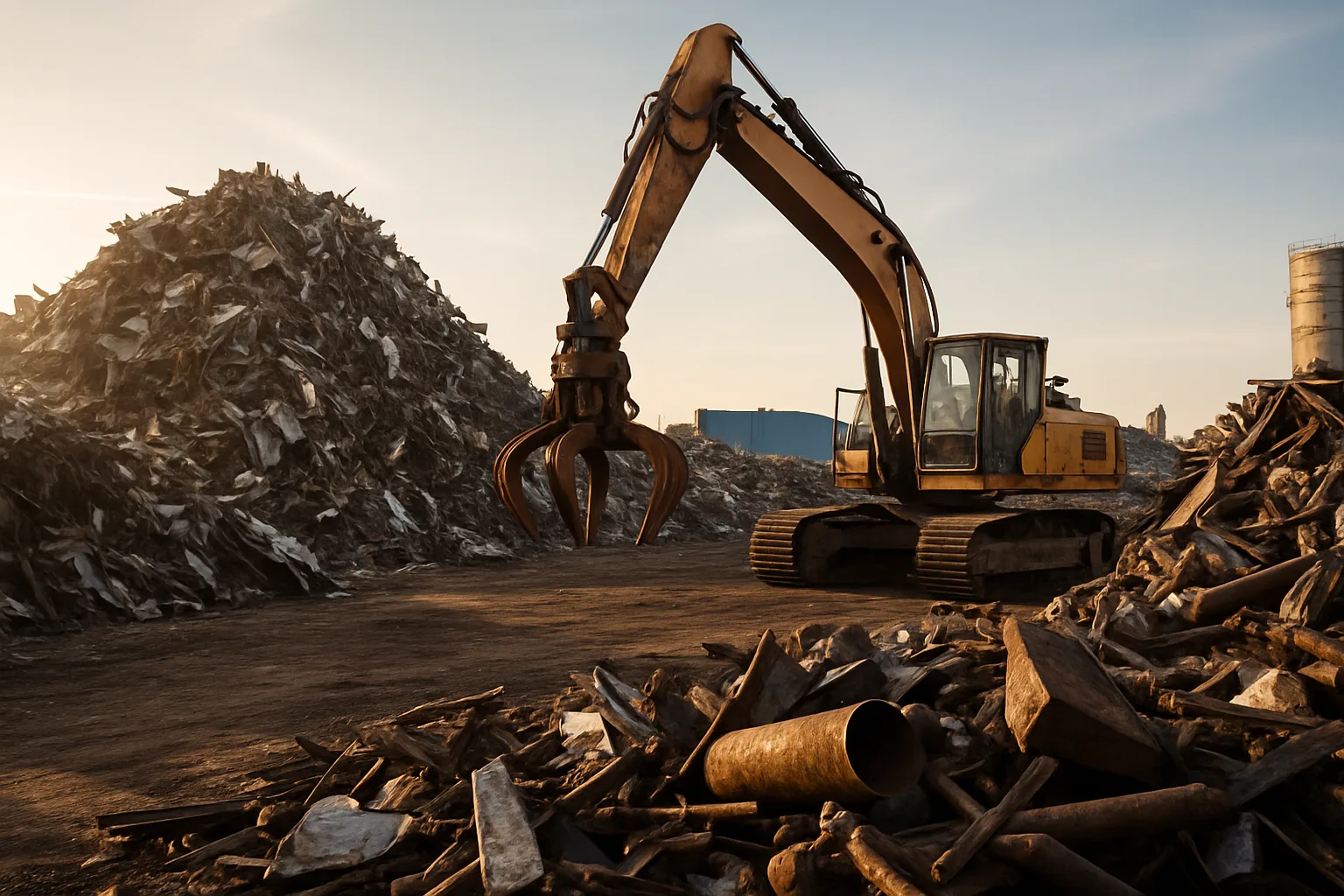
Construction and Demolition Sites Are Sitting on Serious Scrap Metal — Here's What You Need to Know
Most people think scrap metal comes from junkyards and old appliances. The reality? Construction and demolition (C&D) sites across Canada generate some of the highest-value scrap loads in the recycling industry. We're talking structural steel, copper wiring, aluminum framing, cast iron pipe — all of it stripped out, piled up, and too often sold to the first buyer who shows up with a truck. That's money left on the table.
If you're working in, managing, or sourcing material from C&D sites near Brampton or anywhere in Ontario, understanding how that metal moves — and what it's actually worth — can make a significant difference to your bottom line. Check today's Canadian scrap metal prices before your next load leaves the yard.
What Types of Scrap Metal Come Off a Construction or Demolition Site?
Not all job site scrap is equal. The grade, cleanliness, and mix of your material directly affects what buyers will pay. A demo job on a 1970s commercial building hits differently than a new residential build teardown. Knowing the difference between grades is how you stop guessing and start negotiating.
Here's what typically comes off a C&D site:
- Structural steel: Beams, columns, rebar, angle iron. High volume, lower per-pound price — but weight adds up fast.
- Copper wiring and pipe: The most valuable metal on most demo jobs. Copper scrap price today in Canada fluctuates with global markets, but it consistently commands a premium. Clean, stripped wire pays more than insulated.
- Aluminum: Window frames, siding, HVAC ducting, conduit. Lighter than steel but worth tracking separately.
- Cast iron and ductile iron: Old plumbing, floor drains, radiators from older structures. Heavy and bulky but buyers want it.
- Stainless steel: Commercial kitchen equipment, industrial fixtures — less common but high-value when it shows up.
- Mixed loads: Framing connectors, bolts, brackets, miscellaneous ferrous. Less valuable per pound but adds volume.
Sorting your material on-site isn't glamorous work, but it directly impacts your payout. Buyers price mixed loads conservatively. They're not doing you any favors — they're protecting themselves from the sort cost. Do the work up front and you capture that margin yourself.
Why C&D Scrap Metal Pricing in Brampton and Ontario Is Shifting in 2026
Brampton sits in the middle of one of the most active construction corridors in Canada. The 400-series highway infrastructure, industrial park development along the Highway 410 and 427 corridors, and ongoing residential intensification projects have kept demo and construction volumes high. That means consistent scrap metal supply — but supply without price knowledge is a liability.
Scrap metal prices in 2026 are being shaped by a few converging forces. Global copper demand from EV manufacturing and grid infrastructure spending continues to push copper scrap price Canada benchmarks upward relative to prior years. At the same time, North American steel markets have seen margin compression from import pressure and softer new construction starts in certain categories. Aluminum scrap price Canada remains sensitive to primary aluminum production costs and energy pricing in smelting regions.
What this means practically: the spread between a well-informed seller and an uninformed one is wider than it's ever been. Sellers who know their commodity, their grade, and their options — including scrap metal recycling Ontario auction channels — consistently outperform those who take the first offer. To find current Canadian scrap metal prices and benchmark what your material is worth, don't rely on verbal quotes alone.
How C&D Site Operators Are Leaving Money on the Table
Here's a pattern that plays out on job sites constantly. A demo contractor strips a building. Copper, steel, and aluminum pile up in a bin. Someone calls their usual buyer — or worse, a scrap broker calls them. A price gets quoted. The contractor, focused on the actual demolition project, says fine and moves on. The material gets picked up. Money changes hands.
Nobody ever finds out if that price was fair.
The problem isn't that buyers are villains. It's that a single buyer has no reason to offer their best price unprompted. Competition is what creates price discovery. When you sell scrap metal to one buyer without shopping the load, you're accepting whatever margin that single buyer decides to leave you. That's not a market — that's guessing with extra steps.
This is exactly the gap that a scrap metal auction platform is built to close. Instead of one call to one buyer, your load gets in front of multiple vetted buyers who compete for it. The price that comes out of that process reflects what the market actually thinks your material is worth — not what one buyer thought they could get away with.
Platforms like the SMASH Recycling auction platform are built specifically for this. No subscription fees. Full documentation — photo uploads, weight tickets, packing lists. Vetted buyers. And an auction format that puts competitive pressure on price. For C&D operators managing multiple loads across a project, the documentation tools alone justify using it.
Documentation and Compliance Are Now Part of the C&D Scrap Game
Ontario's regulatory environment around scrap metal transactions has tightened considerably over the past few years, and 2026 is no exception. Municipal scrap dealer bylaws in the Greater Toronto Area — including areas directly affecting Brampton — require proper documentation of material origin, seller identification, and transaction records. This isn't optional paperwork. Non-compliance creates liability for both the seller and the buyer.
For C&D operators specifically, having clean chain-of-custody documentation protects you in three ways:
- Regulatory compliance: Demonstrates legitimate origin of material stripped from permitted demolition jobs.
- Insurance and bonding: Proper records support your coverage claims if material is ever disputed or lost.
- Better buyer confidence: Documented inventory gives buyers more confidence — and more confident buyers bid more aggressively. This is basic price discovery logic.
When you're running loads out of a Brampton demo site into the Ontario secondary metals market, your documentation is part of your selling position. Treat it that way. Platforms with built-in photo documentation, serial tracking, and auto-invoicing aren't just convenient — they're becoming table stakes for serious C&D metal sellers.
How to Actually Sell Scrap Metal From a C&D Site — Without Getting Burned
Whether you're looking to sell scrap metal near me for cash from a single demo job, or you're a contractor managing ongoing scrap streams across multiple active sites, the process matters as much as the price. Here's a practical approach for C&D operators in 2026.
Step 1: Sort on-site. Separate ferrous from non-ferrous from the jump. Keep copper and aluminum out of the steel pile. Even rough sorting improves your payout and reduces buyer deductions.
Step 2: Weigh and document before pickup. Don't rely on the buyer's scale as your only data point. Know your weights. Take photos. Note the grade of key materials, especially copper pipe and wiring.
Step 3: Get competitive offers. Don't call one buyer. Use an auction platform, reach out to multiple yards, or both. Competition is the mechanism that creates a fair price. SMASH makes this systematic — you list the load, buyers bid, you pick the best offer.
Step 4: Understand regional rate variation. Scrap metal prices today in Canada aren't uniform. A copper price in Brampton won't always match what a buyer in another region is paying. If you're generating significant volume, it may be worth exploring options beyond your immediate area — including scrap metal pickup Ottawa-based buyers or processors further afield if the numbers support it.
Step 5: Track your loads over time. If you're doing multiple C&D projects, your scrap revenue is a line item worth optimizing. Know what you're getting per pound on each metal type. Benchmark against the latest Canadian scrap metal market updates to know whether your prices are tracking market rates or lagging behind.
SMASH is built for exactly this kind of seller — contractors and operators who move real volume and want a better process than cold calls and guesswork. No subscription. No locked-in pricing. Just competition doing what competition does.
Frequently Asked Questions
Q: What scrap metal is most valuable on a demolition site in Brampton?
Copper consistently commands the highest price per pound on most demo jobs. Clean copper pipe and stripped copper wire are the most sought-after grades. Aluminum and stainless steel also carry strong premiums over structural steel and mixed ferrous loads.
Q: How do I find current scrap metal prices in Brampton, Ontario?
Scrap metal prices fluctuate daily based on global commodity markets. The best approach is to check a live pricing resource — check today's Canadian scrap metal prices for current benchmarks — and get competitive quotes from multiple buyers before committing to a sale.
Q: Is it legal to sell scrap metal from a demolition site in Ontario?
Yes, with proper documentation. Ontario municipalities, including those in the Greater Toronto Area, require scrap dealers to verify material origin and maintain transaction records. As the seller, having your demolition permits, site records, and weight documentation in order protects you legally and makes the transaction smoother.
Q: What is a scrap metal auction platform and how does it help C&D operators?
A scrap metal auction platform lets you list your load — with photos, weights, and material grades — so multiple vetted buyers can bid competitively. Instead of accepting one buyer's take-it-or-leave-it price, you get market-driven price discovery. Platforms like SMASH are built specifically for this, with no subscription fees and built-in documentation tools.
Q: How much scrap metal does a typical demolition project generate?
It varies enormously depending on building type, age, and size. A commercial building from the mid-20th century can yield substantial volumes of structural steel, cast iron pipe, and copper wiring. Newer construction generates cleaner aluminum and copper but less heavy ferrous. Sorting and weighing on-site gives you the clearest picture of what you're actually working with before you start calling buyers.
C&D scrap metal is real money — but only if you know what it's worth and how to sell it properly. Before your next load moves, take a few minutes to check today's Canadian scrap metal prices and make sure you're walking into that transaction informed. The market doesn't reward guessing.
Stay ahead of scrap metal market shifts — follow SMASH on LinkedIn for industry updates, pricing trends, and insights built for serious scrap metal operators across Canada.
Disclaimer: Scrap metal prices fluctuate based on global commodity markets and local yard conditions. Always verify current rates before completing a transaction.
```