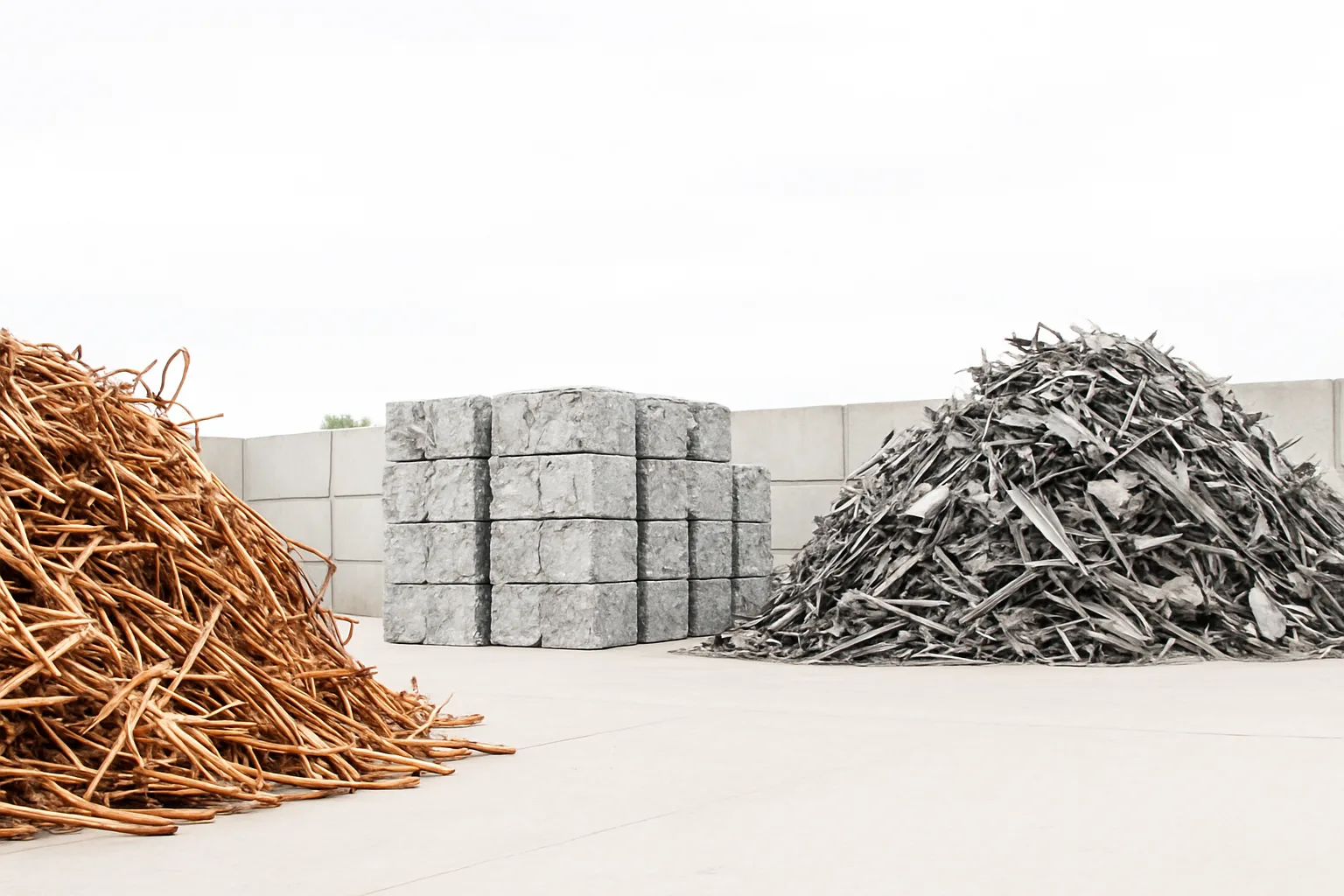
Brass and Bronze Scrap in Sherbrooke: What It's Worth and Where to Find It
Most people walk past brass and bronze every single day without realizing they're looking at money. A seized valve fitting in a demolished building. Old pipe fittings in a renovation bin. A worn-out bronze bushing pulled from a machine shop floor. These aren't junk — they're copper-alloy scrap, and they pay well above most other metals by weight. If you're hunting for copper scrap prices Sherbrooke and wondering whether brass and bronze are worth sorting separately, the short answer is yes. By a significant margin.
This guide breaks down what brass and bronze actually are, where to find them, how to grade them, and how to make sure you're getting a fair price when you sell. Whether you're a yard operator, a renovation contractor, or someone cleaning out an estate, knowing your alloys matters.
What Are Brass and Bronze — and Why Does the Difference Matter?
Brass and bronze are both copper-based alloys, but they're not the same thing, and scrap yards price them differently. Getting this wrong costs you money.
Brass is an alloy of copper and zinc. It's yellow-gold in colour, highly machinable, and shows up in plumbing fittings, valves, locks, musical instruments, marine hardware, and electrical terminals. Brass is one of the most common non-ferrous metals in the scrap stream.
Bronze is an alloy of copper and tin, sometimes with small amounts of phosphorus, aluminum, or silicon depending on the grade. It's darker — often a reddish-brown — and harder than brass. You'll find it in bearings, bushings, pump impellers, marine propellers, stationary engines, and industrial machinery. Bronze commands a higher price per kilogram than most brass grades because the copper content is typically higher and the applications are more specialized.
Here's why sorting matters: a mixed load of copper-based alloys gets priced at the lowest-value fraction. If you mix yellow brass plumbing fittings with high-tin bronze bushings, you're leaving money on the table. Sort them before you show up at the yard.
Scrap Metal Prices in Sherbrooke: What Brass and Bronze Fetch Right Now
Brass and bronze prices track copper closely. Since copper is the dominant component in both alloys, when copper scrap prices move — up or down — brass and bronze follow. As of August 2026, copper markets have remained active, driven by continued demand in electrical infrastructure, EV manufacturing, and industrial equipment. That demand keeps non-ferrous alloys like brass and bronze firmly in profitable territory.
In Quebec, scrap metal prices Sherbrooke sellers encounter will vary by yard, by grade, and by load size. As a general framework:
- Yellow brass (plumbing fittings, clean) — typically one of the highest-volume brass grades and priced accordingly
- Red brass (higher copper content, clean) — prices above yellow brass; watch for this in older plumbing and fire suppression hardware
- Brass turnings and shavings — machine shop output; priced lower due to cutting fluid contamination and lower density per bin
- Bronze bushings and bearings (clean) — often the best-paying copper-alloy grade in a yard's buy sheet
- Mixed or dirty brass — anything with attached steel, rubber, or plastic gets downgraded
Prices fluctuate daily based on commodity markets, so always check today's Canadian scrap metal prices before hauling a load. The difference between checking rates and guessing can easily be $50–$150 on a mid-sized pickup load.
Disclaimer: All scrap metal prices fluctuate based on commodity markets, yard location, material grade, and load size. Always confirm current rates directly with your buyer before selling.
Where to Find Brass and Bronze Scrap — Practical Sources Across Quebec
You don't need a demolition contract to build a solid brass and bronze inventory. These metals show up in more places than most people think. Here are the most productive sources:
Residential and Commercial Renovations
Older buildings — especially those built before the 1980s — are loaded with brass plumbing. Gate valves, ball valves, elbow fittings, union connectors, and compression fittings are all brass. A full bathroom gut on a 1960s Quebec home can yield several kilograms of sellable brass fittings alone. Talk to renovation contractors in Sherbrooke. Many are happy to hand off their non-ferrous scrap rather than paying to dispose of it.
Industrial and Machine Shop Scrap
Machine shops generate brass and bronze turnings as a byproduct of CNC work. Bronze bushings get replaced on scheduled intervals in manufacturing equipment. If you can establish a relationship with even one mid-sized machine shop, you'll have a regular supply of high-value non-ferrous material. Brass turnings need to be kept clean and free of steel chips — a magnet is your best friend for sorting.
Estate Sales and Equipment Auctions
Old farms, workshops, and industrial estates are underrated sources of bronze. Antique pumps, motors, and stationary engines often have bronze bearings and bushings. Marine equipment — propellers, shaft couplings, seacocks — is almost always bronze. Estate liquidations across Quebec move quickly; being ready to haul and sort gives you an edge over buyers who don't know what they're looking at.
HVAC, Plumbing, and Fire Suppression Systems
Commercial building teardowns generate significant quantities of brass valves and bronze pump housings. Fire suppression systems in older facilities use brass sprinkler heads and bronze fittings throughout. Electrical switchgear sometimes includes brass bus bars and connectors. If you're in the demo business or know someone who is, these loads are worth pursuing.
Automotive and Marine Sources
Radiators — particularly older brass-and-copper units — are a classic non-ferrous find. Marine hardware (cleats, fairleads, thru-hulls) is frequently bronze. Even some automotive bearings and bushings in older commercial vehicles use bronze alloys. Don't assume aluminum is the only non-ferrous metal in a vehicle.
Scrap Metal Inventory Management: Stop Losing Money on Sorting Errors
One of the most common mistakes brass and bronze sellers make isn't finding the material — it's failing to document and grade it properly before they sell. Mixing grades, failing to photograph loads, or showing up at a yard without knowing what you have puts the buyer in control of the price conversation. That's the wrong position to be in.
Good scrap metal inventory management doesn't have to be complicated. A few habits make a real difference:
- Sort on pickup, not at the yard. Separate yellow brass, red brass, bronze, and brass turnings into different bins or bags before you haul. Mixed loads get priced at the lowest grade.
- Use a magnet. Steel contamination is the fastest way to get downgraded. Run a magnet over everything before it goes in your bin. If it sticks, it doesn't belong with your non-ferrous load.
- Photograph loads before selling. Documentation protects you if there's a dispute about grade or quantity. It also helps you track value over time.
- Weigh before you go. Know your approximate weight. A scale at your shop or yard lets you verify that the buyer's weight matches yours.
- Track sources. Knowing where your best material comes from helps you prioritize future pickups and build supply relationships.
Platforms like SMASH make it easy to get competitive bids for your scrap in Canada with documented loads, photo verification, and access to vetted buyers — which means better price discovery and less guessing at the scale. That matters when you're dealing in high-value non-ferrous material like brass and bronze.
Getting the Best Price: Why Competition Beats a Single Phone Call
Here's a reality that every scrap seller eventually figures out: the first price you're quoted is rarely the best price available. That's not a criticism of any specific yard — it's just how markets work. If a buyer knows you have no alternative, there's no pressure to compete. The same load of clean red brass can get quoted at meaningfully different prices depending on who you call and how many buyers are competing for it.
This is where SMASH changes the dynamic. Instead of calling one buyer and hoping for a fair number, SMASH puts your documented load in front of multiple vetted buyers simultaneously. Competition reveals the market. More buyers means better price discovery — especially for higher-value material like bronze bushings or clean red brass where the spread between a low offer and a competitive one can be significant.
For sellers in Sherbrooke and across Quebec, accessing that kind of competitive market used to mean knowing the right contacts or driving to a major urban yard. Now it doesn't. You can find current Canadian scrap metal prices and connect with buyers through platforms built specifically for this — no subscription fees, no guessing, no single-buyer dependency.
If you want to stay current on price movements and market trends that affect what you're selling, read the latest Canadian scrap metal market updates — it's practical, market-specific information that helps you time your sales better.
Frequently Asked Questions
Q: How do I tell brass from bronze when I'm sorting scrap?
Colour is a starting point — brass tends to be yellow-gold, while bronze is more reddish-brown. Bronze is also harder and heavier for its size. For precision sorting, a brass/bronze test kit or spectrometer (available at larger scrap yards) will confirm alloy content. When in doubt, ask your yard to assess it — most experienced buyers can identify grade by sight and feel.
Q: Are copper scrap prices in Sherbrooke similar to the rest of Quebec?
Generally yes, though there can be small regional variations based on transportation costs, local demand, and individual yard buy sheets. The London Metal Exchange (LME) copper price sets the baseline across Canada, but your local Sherbrooke scrap metal services buyer will apply their own margin and grade adjustments. Shopping multiple buyers — or using a competitive platform — helps you find the best local rate.
Q: What makes a brass load "dirty" and how does it affect price?
A dirty brass load contains attached contaminants: steel fittings, rubber seals, plastic handles, chrome plating, or painted surfaces. Yards charge a processing penalty for dirty material because they have to sort and clean it themselves. Removing contamination before you sell — even basic stripping of rubber seals from valve bodies — can noticeably improve your per-kilogram price.
Q: Is it worth selling small quantities of brass and bronze, or should I accumulate first?
Accumulating makes more sense for most sellers. Larger loads reduce per-trip transaction costs, give you more negotiating leverage, and make it practical to use competitive bid platforms. That said, if your storage is limited or prices are moving in your favour right now, selling a smaller clean load at the right time can beat holding for a bigger mixed load later. Watching the market matters as much as the quantity.
Q: Do scrap metal prices in Canada follow the same trends as U.S. or global markets?
Yes, closely. Canadian copper and non-ferrous scrap prices track international benchmarks — primarily the LME copper price — with adjustments for CAD/USD exchange rates, local freight, and regional demand. A spike or drop in global copper prices will show up in Canadian scrap yards within days. That's why checking current rates regularly gives you a real edge over sellers who rely on prices they heard about last month.
Brass and bronze scrap rewards sellers who know their material, sort carefully, and bring competitive pressure into the price conversation. If you're moving non-ferrous loads in Sherbrooke or anywhere across Quebec, staying on top of current rates is the simplest way to protect your margins. Check today's Canadian scrap metal prices at scrap-metal-prices.ca — and go into your next sale knowing exactly where the market stands.
Follow SMASH on LinkedIn for ongoing scrap metal market insights, industry updates, and pricing trends across North America.