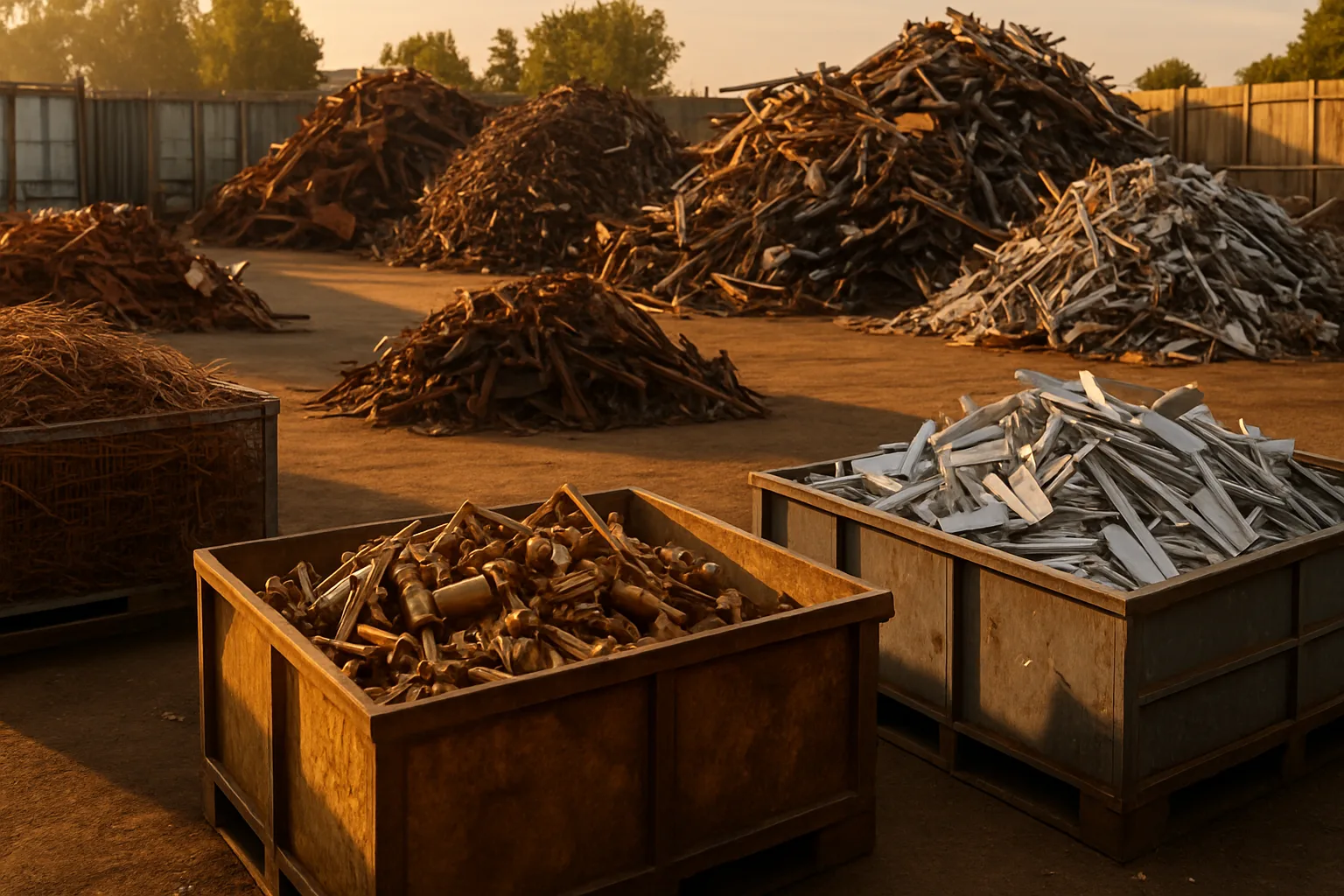
Most sellers walk right past brass and bronze without knowing what they're holding. These two alloys sit quietly in garages, demolition sites, and old plumbing — and they consistently pay more per pound than aluminum. If you're trying to get serious about scrap returns, understanding the difference between brass and bronze (and where each one hides) is money left on the table that you can't afford to ignore.
While the aluminum scrap price today gets most of the attention — and rightly so, given how much aluminum circulates through Canadian yards — brass and bronze often deliver stronger payouts per pound. They're heavier, denser, and made from copper-based alloys that the market values accordingly. The challenge is knowing what you've got and where to find more of it.
This guide breaks it all down: what brass and bronze actually are, how to tell them apart, where to source them, and what they're realistically worth at Canadian scrap yards in 2026. Whether you're a regular collector in Chilliwack or just starting to sort your first load, this is practical information you can use today.
---Brass vs. Bronze: What's the Actual Difference?
These two metals get mixed up constantly, even by experienced collectors. Both are copper-based alloys, which is why they look similar and often get lumped together. But the composition — and the payout — differs.
Brass is an alloy of copper and zinc. It's the yellow-gold metal you see in plumbing fittings, valves, door hardware, musical instruments, and shell casings. It has a bright, warm tone and machines cleanly. Most scrap yards in British Columbia and across Canada separate brass into grades based on cleanliness and contamination.
Bronze is an alloy of copper and tin, sometimes with added aluminum or manganese. It's older, denser, and typically darker or more reddish than brass. You find it in bushings, bearings, marine hardware, statues, bells, and industrial equipment. Bronze generally commands a slight premium over yellow brass because of its tin and copper content.
A quick field test: brass is harder and brighter. Bronze is darker, more reddish, and often feels heavier for its size. When in doubt, most yards will weigh and grade it on the spot.
---Where to Find Brass and Bronze Scrap (Real Sources, Not Guesses)
You won't find brass and bronze sitting in a pile labeled "free." You find it by knowing where it gets used and watching for those materials at end of life. Here are the most productive sources for Canadian collectors and yards.
Plumbing and HVAC Demolition
This is the biggest single source. Old homes and commercial buildings — especially anything built before 1990 — are loaded with brass fittings, valves, shut-offs, and connectors. Renovation contractors often sort copper but overlook brass. Build relationships with local plumbers and general contractors. In markets like Chilliwack, where older housing stock sits alongside active development, demo work generates steady material.
Industrial and Manufacturing Surplus
Machine shops, hydraulic repair shops, and manufacturing facilities generate brass chips, bronze bushings, and worn bearings regularly. These aren't glamorous finds, but a 50-pound bag of bronze bushings from a hydraulic shop adds up fast. Industrial surplus auctions are another underused channel — equipment lots often include brass valves and fittings nobody bothered to separate.
Electrical and Utility Equipment
Electrical panel components, terminal blocks, and switchgear housings frequently contain brass. Old meters, switches, and transformer components can include bronze bearings. Always confirm with the yard how they grade this material — mixed electrical brass may sort at a lower rate than clean plumbing brass.
Marine and Agricultural Equipment
Bronze thrives in marine environments because it resists corrosion. Propellers, through-hulls, sea cocks, and fittings from old boats are all bronze. In agricultural equipment — pumps, irrigation hardware, older tractors — you'll find both brass and bronze components. End-of-life farm equipment is a consistent source that doesn't get enough attention.
Musical Instruments and Decorative Items
Old brass instruments (trumpets, trombones, saxophones), decorative fixtures, and ornamental hardware all contain yellow brass. These pieces are lower volume but easy to identify and prep. Estate sales, auctions, and second-hand stores in rural communities often have this material sitting unsold.
Shell Casings
Spent brass shell casings are a clean, high-grade form of yellow brass. Shooting ranges accumulate them in large quantities. Many ranges already have arrangements with collectors or yards, but it's worth asking. Casings are typically sorted separately and often pay at the top of the yellow brass range because of their cleanliness.
---What Brass and Bronze Are Worth: Canadian Scrap Metal Prices in 2026
Brass and bronze pricing moves with copper. Since both alloys are copper-based, when copper prices climb, brass and bronze follow. In 2026, copper has remained a closely watched commodity given ongoing infrastructure investment across North America and sustained demand from the energy transition — electrical wiring, EV components, and grid upgrades all consume copper.
Rather than publishing specific numbers that will be outdated within days, here's how the grading structure works so you can ask the right questions at your yard:
- No. 1 Yellow Brass (Clean) — Plumbing fittings, valves, and hardware free of iron, rubber, or other contamination. Highest brass grade. Pays closest to the copper price basis.
- No. 2 Yellow Brass — Mixed brass with some contamination, paint, or attached iron fittings. Docked from No. 1 rate based on prep work required.
- Red Brass (85/5/5/5) — Higher copper content than yellow brass. Often commands a price between yellow brass and clean copper. Common in older plumbing.
- Bronze (Solid / Bushings) — Priced similarly to red brass or slightly above depending on tin content. Sorted by form (solid pieces vs. chips vs. turnings).
- Brass Turnings / Chips — Machine shop material. Priced below solid brass because of oil contamination and prep costs at the smelter.
To check today's Canadian scrap metal prices including current brass and bronze rates, use a live pricing tool rather than guessing based on word of mouth from the yard next door. The difference between knowing and guessing can be significant on a full load.
For context, while the aluminum scrap price today across Canada typically runs well below copper-based metals per pound, the volume advantage of aluminum (it's everywhere) means many collectors run both. Brass and bronze are lower volume, higher value per pound. They're a different business model — sourcing takes more work, but the per-pound return rewards that effort.
---How Brass and Bronze Compare to Other Scrap Metals: A Quick Price Tier Reference
Understanding where brass and bronze sit in the overall price hierarchy helps you prioritize your sourcing time. Here's a general tier structure used across Canadian yards — specific prices shift daily, but the relative ranking stays fairly stable:
- Bare bright copper — Highest paying non-ferrous metal. Clean, uncoated copper wire.
- No. 1 copper / copper pipe — Clean copper without fittings or solder.
- Red brass / bronze — Copper-based alloys, strong per-pound returns.
- Yellow brass (clean) — Lower copper content than red brass, prices accordingly.
- Aluminum (clean extrusions, sheet) — Widely available, prices well below copper-family metals.
- Stainless steel — Varies widely by grade. 304 and 316 pay meaningfully above carbon steel.
- Light iron / steel — Lowest per-pound rate, but high-volume operations make it work.
If you're sorting a mixed load in Chilliwack or anywhere across British Columbia, pulling brass and bronze out and keeping them separate from your general non-ferrous pile is non-negotiable. Mixed loads get graded at the lowest-value component. Keep it clean and sorted.
Platforms like SMASH Recycling give sellers a better way to move material competitively rather than accepting whatever a single buyer quotes on the phone. When multiple vetted buyers see your load, the price discovery process works the way it should.
---Selling Brass and Bronze Scrap Online: What Yards and Platforms Look For
If you're selling anything beyond a few pounds, how you document and present your load matters. Buyers — whether at a walk-in yard or through an online platform — price based on what they can verify, not what you tell them.
For brass and bronze specifically, documentation should include:
- Clear photos showing the material type and condition (fittings, bushings, casings — show what it is)
- Separation by grade — clean yellow brass separate from red brass or bronze
- Weight estimate if you have a scale — it sets realistic expectations
- Note any contamination: oil on turnings, attached iron, painted surfaces
When you sell scrap metal online through a platform like SMASH, this documentation directly supports competitive bidding. Buyers who can see exactly what they're getting bid more confidently than buyers guessing on a vague description. That confidence shows up in the offer.
SMASH connects sellers with vetted buyers across North America. No subscription fees. No guessing. The auction format means your load gets real market exposure rather than a single take-it-or-leave-it quote. To read the latest Canadian scrap metal market updates and understand how current conditions affect your brass and bronze returns, staying informed is part of getting paid properly.
---Tips for Getting the Best Scrap Metal Prices in Chilliwack and Across BC
The best scrap metal prices in Chilliwack — or anywhere in BC — don't come from loyalty to one buyer. They come from preparation, sorting, and market exposure. Here's what separates sellers who consistently get strong returns from those who leave money at the scale:
- Sort religiously. Mixed loads lose value at every step. Brass mixed with iron is an iron load in the buyer's eyes until proven otherwise.
- Know your grades before you arrive. Yellow brass, red brass, and bronze are not the same. Knowing what you have lets you challenge a grade call confidently.
- Check current prices before you sell. Don't rely on what the yard told you last month. Markets move. A 10-cent swing per pound on 500 pounds of brass is $50 — real money.
- Don't always take the first offer. A second buyer can move the number significantly, especially on a clean, well-documented load.
- Build relationships with commercial sources. Plumbers, contractors, machine shops — recurring streams from commercial sources beat one-off residential finds every time.
To find current Canadian scrap metal prices so you walk into the yard knowing your baseline, check a live pricing reference before you load the truck. The five minutes it takes to look up current rates is almost always worth it.
---Frequently Asked Questions
Q: How do I tell the difference between brass and bronze at the scrap yard?
Brass is typically brighter yellow and harder. Bronze is darker, more reddish or brownish, and usually heavier for the same size. If you're unsure, most yards will identify the material for you before buying — just ask before they weigh it in.
Q: Is bronze worth more than brass per pound at Canadian scrap yards?
Generally yes. Bronze has a higher copper and tin content than yellow brass, which pushes the price up. Red brass also typically outpays yellow brass for the same reason — more copper in the alloy. Exact rates depend on current market conditions, so check live pricing before selling.
Q: What is the aluminum scrap price today in Chilliwack, BC?
Aluminum prices fluctuate based on LME market movements and local supply and demand. Chilliwack yards follow British Columbia regional pricing, which tracks closely with North American benchmarks. Disclaimer: Prices change daily — always verify current rates directly with your yard or through a live pricing tool.
Q: Can I sell brass and bronze scrap online instead of going to a yard?
Yes. Platforms like SMASH allow sellers to list loads and receive competitive bids from vetted buyers across North America. This works especially well for larger, well-sorted loads where documentation and photos can clearly establish what you're selling. Smaller quantities are often better suited to local yards.
Q: Where can I find the best scrap metal prices in British Columbia?
Comparing rates across multiple buyers — whether local yards or online platforms — gives you the clearest picture of what your material is worth. Staying current with market data at scrap-metal-prices.ca and using competitive selling platforms like SMASH puts you in the strongest possible position.
---Brass and bronze reward sellers who do the work upfront: sourcing carefully, sorting properly, and knowing what the market actually pays before walking into a yard. If you're building a regular scrap operation in Chilliwack or anywhere across BC, these copper-based alloys belong in your mix. The per-pound returns justify the extra sourcing effort — and with current market conditions in 2026, that holds true whether the aluminum scrap price today is up or down.
Check today's Canadian scrap metal prices — get current rates at scrap-metal-prices.ca so you always know what your brass, bronze, and aluminum are worth before you load the truck.
Stay sharp on market moves — follow SMASH on LinkedIn for scrap metal market insights and industry updates that actually matter to sellers.