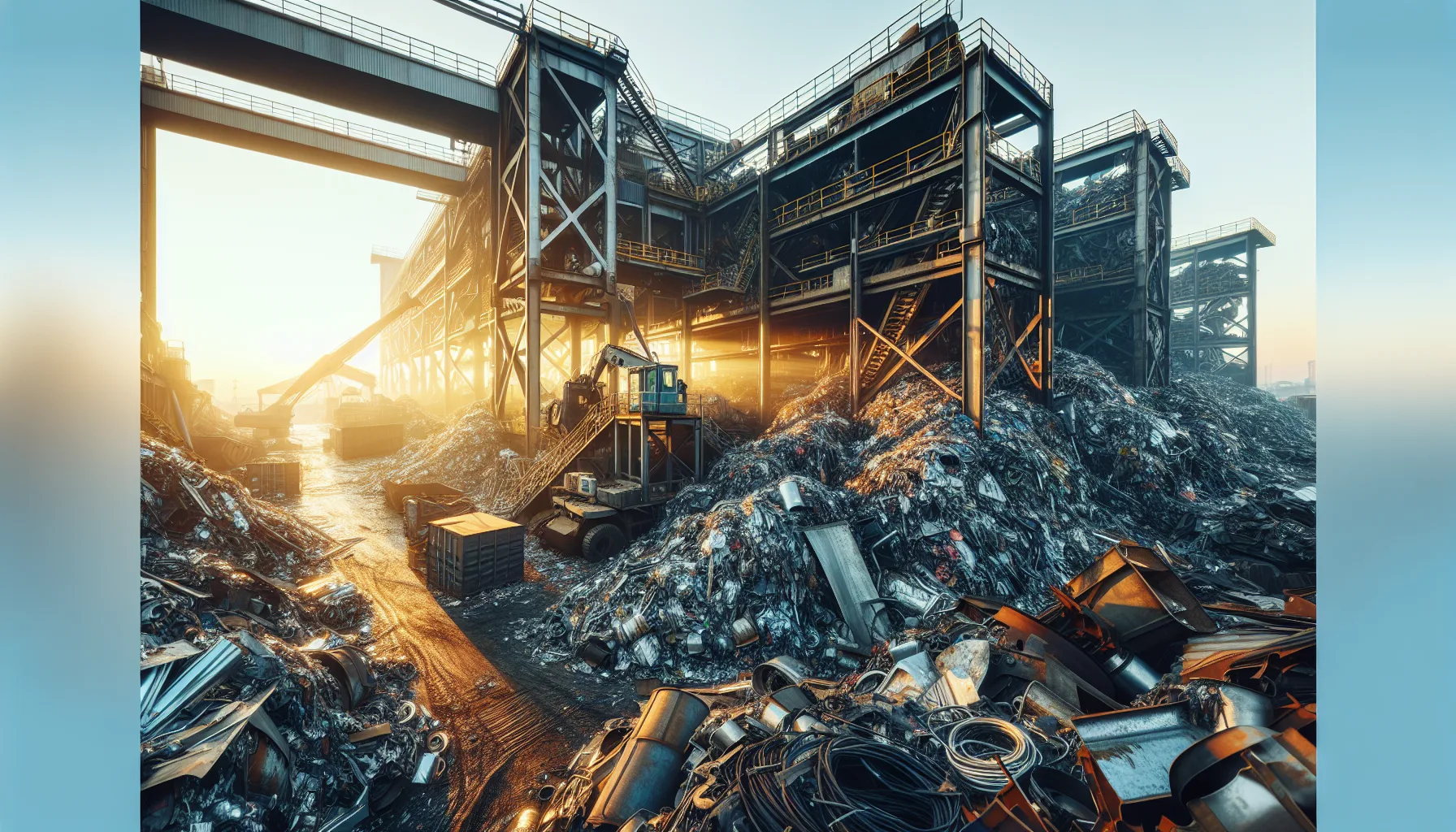
Smart scrap metal sorting can boost your profits by 40% or more. Most sellers in Lethbridge leave money on the table by mixing metals or failing to remove contaminants that drag down their scrap metal prices Lethbridge rates. The difference between throwing everything in one pile versus proper preparation often means hundreds of extra dollars per load.
Canadian scrap yards pay premium rates for clean, sorted materials. Mixed loads get downgraded to the lowest-value metal in the batch. Understanding how to maximize your scrap value starts with knowing what buyers want and how they price different materials.
Today's market rewards preparation. With copper scrap price today reaching strong levels and aluminum demand staying steady, proper sorting has never been more profitable. Let's break down exactly how to prepare your scrap for maximum returns.
Understanding Scrap Metal Classifications and Current Market Values
Canadian scrap yards categorize metals into specific grades that determine pricing. Number one copper wire brings the highest rates, while mixed copper drops significantly in value. The same principle applies across all metal types.
Ferrous metals like steel and iron make up the bulk of most loads but carry lower per-pound values. Non-ferrous metals including copper, aluminum, brass, and stainless steel command premium prices. Smart sellers focus extra attention on these high-value materials.
Current market conditions in 2026 show strong demand for clean copper and aluminum. Contaminated materials face price penalties that can cut your revenue by 25-50%. When you check today's Canadian scrap metal prices, you'll notice the substantial gaps between clean and dirty material rates.
Specialty items like catalytic converter auction materials require separate handling. These contain precious metals that command exceptional prices when properly prepared. Never mix catalytic converters with regular scrap - they deserve individual attention for maximum value.
Essential Tools and Equipment for Effective Scrap Sorting
Professional sorting requires the right equipment. A strong magnet helps separate ferrous from non-ferrous metals instantly. Wire strippers pay for themselves quickly when processing copper wire. Sharp tin snips handle light-gauge materials efficiently.
Heavy-duty gloves protect your hands from sharp edges and contamination. Safety glasses prevent metal fragments from causing injury during cutting and sorting. A reliable scale helps you estimate values before making the trip to the yard.
Organization containers keep different metals separated during collection. Five-gallon buckets work well for small items like fittings and hardware. Larger bins handle bulkier materials like aluminum siding or copper pipe.
Many successful sellers in Lethbridge invest in basic power tools for preparation work. Angle grinders remove unwanted attachments quickly. Reciprocating saws break down large items into manageable pieces. These investments pay dividends over time through improved efficiency and higher-grade materials.
Copper Preparation Techniques for Premium Pricing
Copper commands the highest prices among common scrap metals, making proper preparation crucial. Number one bare bright copper wire brings top dollar but requires complete insulation removal. Even small amounts of plastic coating drop materials into lower-grade categories.
Mechanical wire strippers handle household wire efficiently. For larger projects, some sellers use controlled burns, though this requires proper permits and safety precautions in Alberta. Many prefer the reliable results of mechanical stripping despite the extra labor involved.
Copper pipe preparation involves removing all fittings, valves, and solder connections. Clean pipe sections bring significantly higher rates than pipe with attachments. Take time to remove brass fittings separately - they have their own value category.
Mixed copper materials get lower pricing but still deserve attention. Remove steel screws, aluminum heat sinks, and other foreign metals. Even small improvements in cleanliness translate to better prices when dealing with valuable copper materials.
Aluminum Sorting and Contamination Removal Methods
Aluminum separation starts with identifying different alloys and forms. Cast aluminum from engine blocks brings different pricing than sheet aluminum from siding. Extruded aluminum profiles command their own rates distinct from other forms.
Remove all steel attachments from aluminum materials. Screws, brackets, and mounting hardware drag down pricing significantly. Many sellers overlook small steel components that cost them money at the scales.
Clean aluminum siding and gutters by removing all steel nails and fasteners. Pressure washing removes dirt and debris that adds dead weight to your load. Some yards accept dirty aluminum but apply pricing penalties that reduce your profits.
Aluminum cans represent a separate category with consistent demand across Alberta. Clean, crushed cans bring steady pricing. Remove any steel components like bottle caps or can lids made from different materials. Volume matters with can recycling - accumulate significant quantities before making delivery runs.
Steel and Iron Processing for Optimal Weight-to-Value Ratios
Steel and iron materials focus more on weight than extreme cleanliness. However, smart preparation still improves profitability. Remove obvious contaminants like wood, plastic, and rubber components that add dead weight.
Heavy steel brings better per-pound rates than light-gauge materials. Structural steel, I-beams, and thick plate command premium pricing. Sheet metal and thin materials get lower rates but still have value when properly accumulated.
Cut oversized materials to manageable lengths. Most Lethbridge yards have size restrictions for handling efficiency. Breaking down large items also helps you identify hidden non-ferrous components that bring separate value.
Remove any stainless steel components before processing regular steel. Stainless commands significantly higher prices and should never get mixed with common steel materials. The magnetic test helps identify stainless steel quickly during sorting.
Maximizing Value Through Strategic Timing and Market Awareness
Market timing affects your returns significantly. Scrap metal recycling Alberta operations see seasonal fluctuations in demand and pricing. Construction season typically brings higher demand for recycled materials.
Monitor pricing trends before making large deliveries. When you find current Canadian scrap metal prices, look for upward trends that suggest waiting might improve your returns. Conversely, declining markets favor quick sales.
Build relationships with multiple buyers in your area. Different yards offer varying prices for the same materials. Some specialize in specific metals and pay premiums for their focus materials. Shopping around increases your average selling price.
Consider joining platforms like SMASH that connect sellers with multiple buyers across Canada. These marketplaces create competition for your materials and often result in better pricing than single-buyer relationships. SMASH particularly excels at helping sellers find the best rates for their specific material mix.
Volume accumulation improves your negotiating position. Yards prefer dealing with larger loads and often offer better rates for significant quantities. However, balance storage capacity against market timing to avoid missing favorable price movements.
Understanding seasonal patterns helps optimize timing. For example, aluminum demand typically peaks during spring construction activity. Copper prices often correlate with housing starts and electrical construction projects. When you read the latest Canadian scrap metal market updates, look for these cyclical patterns that affect pricing.
Weather impacts both collection opportunities and yard operations. Winter conditions in Alberta can affect both supply and demand dynamics. Plan your collection and selling activities around these seasonal factors for maximum efficiency.
Documentation helps track your success and identify improvement opportunities. Record weights, prices, and preparation time for different material types. This data reveals which metals and preparation methods offer the best return on your time investment.
Consider the total cost of preparation when making decisions. Sometimes accepting slightly lower prices for less preparation time makes economic sense. Balance the value of your time against potential price improvements from additional processing.
Transportation costs factor into profitability calculations. Consolidate trips to maximize load values relative to fuel and time costs. Some sellers coordinate with neighbors or other collectors to share transportation expenses for larger loads.
Stay informed about regulatory changes affecting scrap metal recycling Alberta operations. New environmental regulations or licensing requirements can impact yard operations and pricing. Platforms like Canada's B2B scrap recycling marketplace help sellers stay current on industry developments.
Frequently Asked Questions
Q: What's the difference between #1 and #2 copper wire prices in Lethbridge?
Number 1 copper wire is completely bare with no insulation, oxidation, or attachments. Number 2 copper includes wire with minimal plastic coating or slight oxidation. The price difference typically ranges from 15-25%, making proper preparation worthwhile for larger quantities.
Q: Should I remove brass fittings from copper pipe before selling?
Yes, always separate brass fittings from copper pipe. Brass brings its own pricing category, often higher than mixed copper rates. This separation prevents downgrading your clean copper and ensures you receive proper value for both materials.
Q: How clean does aluminum need to be for top pricing?
Remove all steel attachments like screws and brackets. Surface dirt is generally acceptable, but excessive contamination may result in price penalties. Focus on removing different metals rather than achieving perfect cleanliness.
Q: Do scrap yards in Alberta require identification for sellers?
Yes, legitimate scrap yards require government-issued photo identification for all transactions. This requirement helps prevent theft and ensures compliance with provincial regulations. Always bring proper identification when selling scrap materials.
Q: What's the minimum quantity most yards accept for delivery?
Most Lethbridge scrap yards accept any quantity, but minimum loads of 100-200 pounds often receive better attention and pricing. Smaller quantities are welcome but may not justify the time and fuel costs for individual sellers.
Proper scrap metal preparation transforms average profits into exceptional returns. The time invested in sorting, cleaning, and organizing materials pays dividends through higher per-pound pricing and better yard relationships. Smart preparation combined with market awareness creates a profitable approach to scrap metal selling. Check today's Canadian scrap metal prices — get current rates at scrap-metal-prices.ca to maximize your next load's value.
Stay connected with industry insights and market developments by following SMASH on LinkedIn at https://www.linkedin.com/company/scrap-metal-auction-sales-hub for the latest updates on scrap metal markets and recycling opportunities.