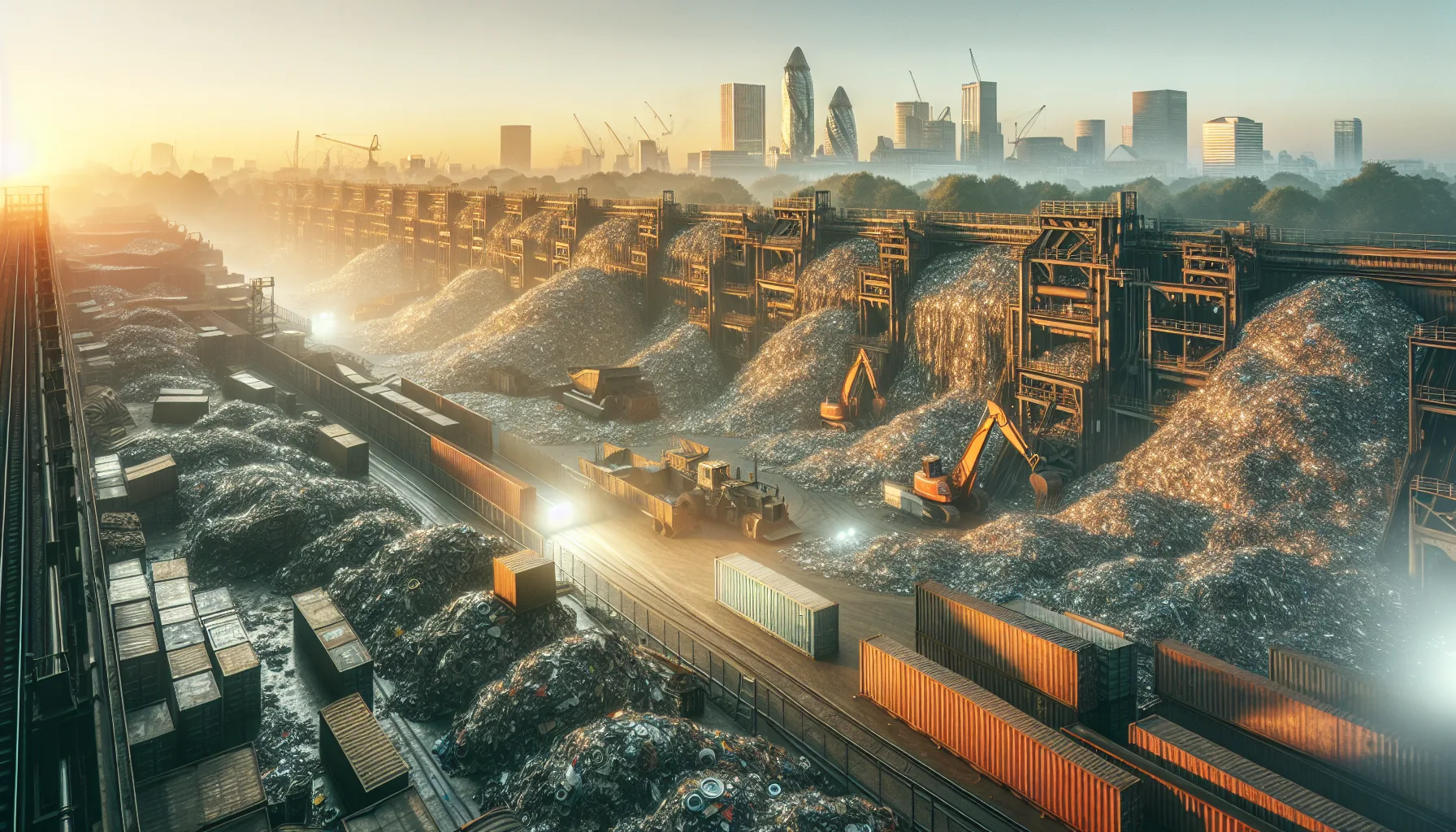
Construction and demolition sites across New Westminster generate massive quantities of valuable scrap metal every day. From copper wiring to structural steel beams, these materials represent significant revenue opportunities for contractors, demolition crews, and independent collectors. Understanding how to identify, collect, and sell these metals can transform construction waste into profit while supporting sustainable recycling practices throughout British Columbia.
The construction industry produces some of the highest-grade scrap metal available in today's market. With proper identification and collection strategies, construction professionals can maximize their returns through scrap metal recycling New Westminster operations.
Major Scrap Metal Sources at Construction Sites
Construction and demolition projects generate diverse metal waste streams. Structural steel from building frames typically yields the highest volumes, often weighing several tons per project. Rebar from concrete demolition provides another substantial source, especially during foundation work and structural modifications.
Electrical systems contribute valuable copper components. Wiring harnesses, electrical panels, and HVAC copper tubing command premium prices in today's market. Smart contractors separate copper materials immediately to prevent contamination with lower-value metals.
Aluminum materials appear throughout construction projects. Window frames, siding panels, and roofing components all contain recyclable aluminum. These lighter materials often accumulate quickly but require proper sorting to achieve optimal pricing.
Plumbing systems yield mixed metal opportunities. Cast iron pipes, copper fittings, and stainless steel fixtures each carry different values. Understanding these distinctions helps maximize revenue potential when you check today's Canadian scrap metal prices.
Copper Scrap Prices and Identification Strategies
Copper represents the most valuable common metal found at construction sites. Electrical wiring, plumbing pipes, and HVAC components all contain varying grades of copper. Clean, bright copper commands the highest prices, while contaminated or mixed copper grades receive lower valuations.
Insulated copper wire requires processing to achieve maximum value. Stripping insulation increases per-pound pricing significantly. However, time investment versus price differential determines whether stripping makes financial sense for each collection.
Copper tubing from air conditioning and refrigeration systems often contains the highest purity levels. These materials typically achieve premium pricing due to their clean composition. Construction crews should prioritize copper tubing collection during HVAC demolition work.
Current copper scrap prices New Westminster fluctuate based on global market conditions and local demand. Contractors benefit from monitoring daily price movements to optimize selling timing. Platforms like SMASH provide real-time pricing information to help sellers maximize their returns.
Steel and Iron Collection Methods
Structural steel and iron materials comprise the largest volume categories at most construction sites. While per-pound values remain lower than copper, total tonnage often generates substantial revenue streams.
Clean steel commands higher prices than contaminated materials. Removing concrete, wood, and other attachments before sale increases value per ton. However, labor costs must balance against price improvements to maintain profitability.
Rebar collection requires strategic planning. Cutting long pieces into manageable lengths facilitates transportation and handling. Most scrap yards prefer rebar lengths under eight feet for efficient processing.
Cast iron pipes and fittings often contain higher carbon content, affecting their recyclability and pricing. Separating cast iron from other steel materials helps optimize pricing for each category when you find current Canadian scrap metal prices.
Aluminum Recovery and Processing
Aluminum materials appear frequently in modern construction projects. Window frames, siding, and roofing materials all contain recyclable aluminum components. These materials weigh significantly less than steel but command higher per-pound pricing.
Clean aluminum achieves premium pricing compared to contaminated materials. Removing plastic components, rubber seals, and steel hardware increases value substantially. The extra processing time often justifies the improved pricing.
Aluminum wire occasionally appears in electrical systems, particularly in older commercial buildings. This material requires careful identification since aluminum wire looks similar to copper but commands different pricing structures.
Understanding aluminum scrap value per kg helps contractors evaluate collection priorities. Current market conditions in 2026 favor clean aluminum materials, making separation efforts particularly worthwhile for construction crews in New Westminster.
Maximizing Scrap Metal Revenue Through Strategic Collection
Successful scrap metal collection requires systematic approaches. Establishing dedicated collection areas on construction sites prevents materials from becoming contaminated or lost. Clear sorting systems help crew members properly separate different metal types throughout the project.
Timing scrap metal sales optimizes revenue potential. Market prices fluctuate regularly, and strategic selling during peak pricing periods increases total returns. Monitoring daily price movements helps contractors identify optimal selling opportunities.
Volume considerations affect pricing negotiations. Accumulating larger quantities before sale often yields better per-pound pricing from scrap dealers. However, storage costs and security concerns must balance against volume pricing advantages.
When you sell scrap metal online, platforms like SMASH connect sellers with multiple buyers, creating competitive bidding environments. This approach often produces better pricing than single-buyer negotiations, particularly for high-value materials like copper.
Documentation supports price verification and helps establish ongoing relationships with reliable buyers. Recording weights, grades, and pricing for each transaction creates historical data for future reference.
Understanding how to leverage construction waste for maximum value transforms routine demolition into profitable ventures. Whether you're managing large commercial projects or residential renovations in New Westminster, proper scrap metal collection strategies can significantly impact your bottom line. The key lies in knowing what to look for, how to prepare materials, and when to sell for best scrap metal prices British Columbia has to offer.
Smart contractors who understand how to sell scrap metal for money systematically can turn waste streams into consistent revenue sources. By staying informed about current market conditions and implementing efficient collection processes, construction professionals maximize both their environmental impact and their profits. Read the latest Canadian scrap metal market updates to stay current with pricing trends and market opportunities.
Ready to turn your construction waste into cash? Get competitive bids for your scrap in Canada and discover how much your materials are really worth in today's market. Check today's Canadian scrap metal prices — get current rates at scrap-metal-prices.ca.
Frequently Asked Questions
Q: What types of scrap metal are most valuable at construction sites?
Copper materials like wiring, pipes, and HVAC components typically command the highest prices. Clean copper can be worth several times more per pound than steel or aluminum. Structural steel provides the highest volume but lower per-pound values.
Q: How do I find current scrap metal recycling prices in New Westminster?
Check daily price listings on scrap-metal-prices.ca for current Canadian rates. Prices fluctuate regularly based on global market conditions. Contact local scrap dealers directly for specific pricing on your materials, as grades and quantities affect final pricing.
Q: Should I clean my scrap metal before selling it?
Yes, cleaning metals significantly increases their value. Remove insulation from copper wire, separate different metal types, and eliminate non-metal attachments. The extra processing time usually justifies the improved pricing you'll receive.
Q: Can I sell construction scrap metal online in British Columbia?
Absolutely. Online platforms like SMASH allow you to reach multiple buyers and receive competitive bids for your materials. This approach often yields better pricing than selling to a single local dealer, especially for larger quantities or high-grade metals.
Q: How much aluminum scrap can I expect from a typical construction project?
Aluminum quantities vary widely depending on project type and building age. Window replacement projects might yield 50-200 pounds per building, while commercial roofing jobs can produce over 1,000 pounds. Modern buildings typically contain more aluminum than older structures.
Follow SMASH on LinkedIn for the latest industry updates and scrap metal market insights.