Why Small-Scale Scrap Collectors Leave Money on the Table (And How to Stop)
Most small-scale scrap collectors in Canada are selling themselves short. Not because they're working the wrong materials — but because they're working the wrong system. One buyer, one phone call, one price. No competition. No leverage. Just whatever number gets offered that day.
If you're hauling loads out of Moncton or anywhere across New Brunswick, you deserve better price discovery than a single yard's posted rate. The good news: a few practical changes to how you sort, document, and sell your material can make a real difference to your bottom line. Here's exactly how to do it.
1. Sort Your Metal Before You Pull Up to the Scale
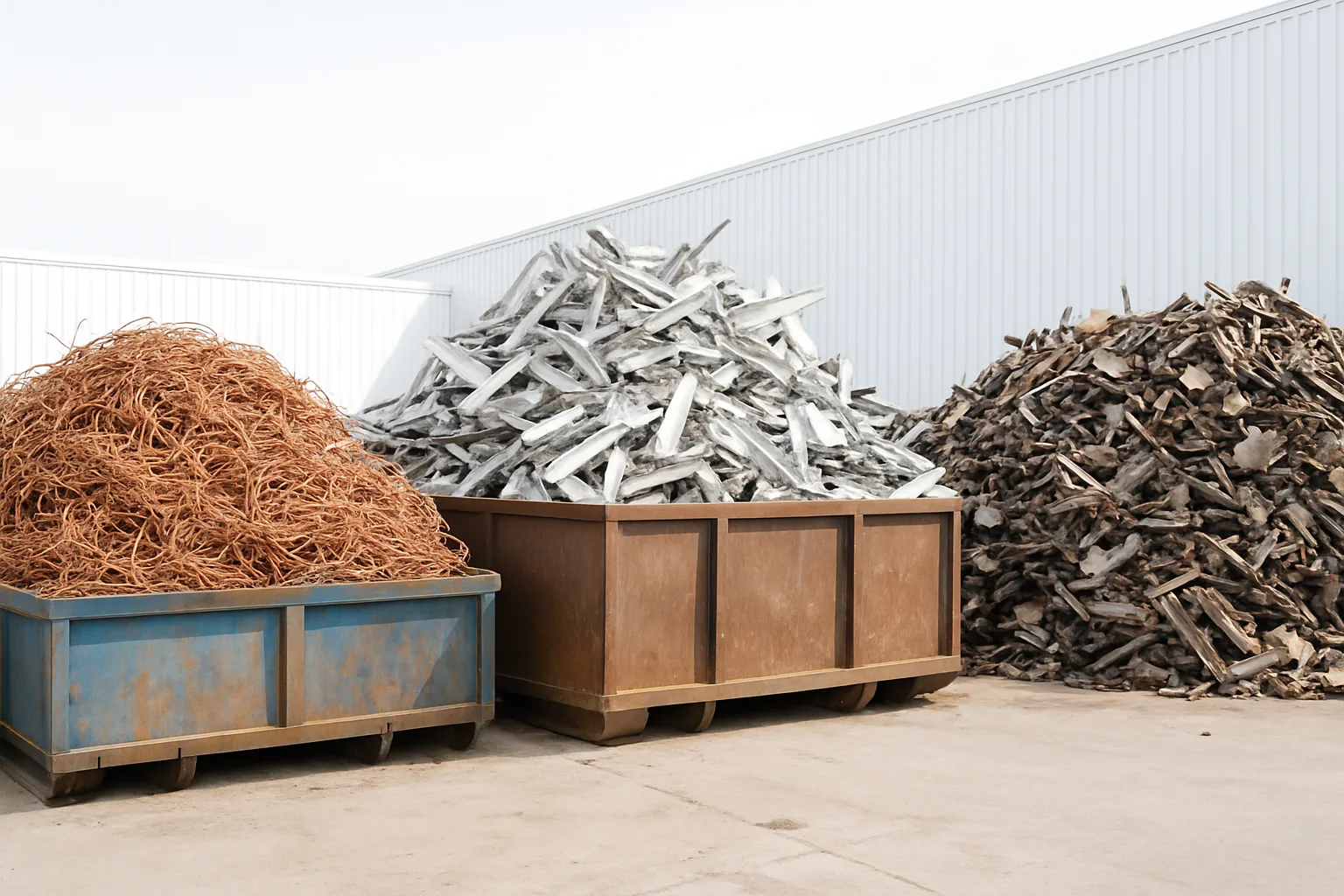
This is the single biggest mistake small collectors make. Mixed loads get downgraded. Every time. A yard receiving unsorted material has to account for contamination, and they price accordingly — meaning you absorb the discount for their sorting labor.
Keep it clean and keep it separated. At minimum, separate your loads into these categories before you arrive:
- Copper: bare bright, #1 copper, #2 copper, insulated wire
- Aluminum: cast, extrusion, sheet, cans, wheels
- Steel and iron: heavy melt, light iron, prepared vs. unprepared
- Stainless steel: kept separate from carbon steel
- Lead and brass: never mixed together
- Electronics and cores: catalytic converters, starters, alternators — each category alone
Non-ferrous metals drive the most value per pound, so they reward sorting the most. Copper scrap price in Canada varies significantly based on grade — bare bright can fetch meaningfully more per kilogram than insulated wire. Sorting captures that spread. Mixing erases it.
2. Know What You Have Before You Sell It
You can't negotiate what you haven't measured. Small collectors often arrive at the yard with a rough idea of weight and metal type — and that rough idea costs them money. Before your next load, invest 20 minutes in basic scrap metal inventory management. A clipboard, a bathroom scale, and a notes app are enough to start.
Record the following for each load:
- Metal type and grade (see sorting categories above)
- Estimated weight by category
- Source or condition notes (clean vs. painted, coated wire, mixed alloy)
- Any serial numbers or VINs for cores or catalytic converters
- Date collected and photos of the load
Photo documentation matters more than most collectors realize. When you're trying to get competitive bids — especially through a B2B scrap metal marketplace — clear photos of sorted, labeled material give buyers confidence. Confident buyers bid higher. That's not theory; that's just how auctions work.
Platforms built for serious sellers, like SMASH, are designed around this exact principle. Documented inventory with photos and weight estimates creates real competition. Undocumented mystery loads don't.
3. Understand the Market Before You Move the Metal
Scrap metal prices in Canada move with global commodity markets — copper tracks the London Metal Exchange, aluminum responds to energy costs and Chinese demand, steel follows construction cycles. None of this is predictable week to week, but you can track direction.
What this means practically: if copper prices are rising this week, holding a sorted copper load for a few days might be worth it. If prices are dropping, moving your material quickly is the smarter call. You can't make that decision without data.
Before every load, check today's Canadian scrap metal prices to understand what the market is doing right now. That five-minute check costs nothing and can change how and when you sell. Sellers in Moncton have the same access to market data as collectors in Toronto or Vancouver — use it.
Also worth knowing: aluminum scrap price in Canada can swing based on sheet grade and alloy. What looks like a single category at the curb might be two or three different price points at the yard. The more you know your material, the harder it is for a single buyer to define the price for you.
4. Stop Relying on One Buyer for Every Load
Here's the uncomfortable truth about the traditional model: calling one yard, getting one price, and saying yes is not a pricing strategy. It's a pricing surrender. The yard has every incentive to offer you the lowest number you'll accept — and if they're your only option, that number is whatever they feel like quoting.
Competition fixes this. More buyers means better price discovery. That's not a slogan — that's basic market mechanics. A load of sorted non-ferrous material that one yard quotes at one number might bring a meaningfully better offer from a buyer who needs that specific material that week.
This is where a B2B scrap metal marketplace like SMASH changes the math entirely. Instead of one call to one yard, your documented load goes in front of vetted buyers who compete for it. The auction format creates real market tension. No subscription fees. SMASH only wins when the seller wins.
If you're running loads regularly out of New Brunswick, or comparing what you'd get versus Moncton scrap metal services and yards in other regions, having access to a competitive platform is worth understanding. You can also get competitive bids for your scrap in Canada through SMASH directly.
5. Handle the Paperwork Right the First Time
Small collectors often treat paperwork as an afterthought. That's a mistake — especially as yards tighten their compliance requirements and provincial regulations around scrap identification continue to evolve in 2026. Getting documentation right protects you and speeds up your transactions.
At a minimum, be prepared with:
- Government-issued ID — required at most licensed yards in New Brunswick
- Vehicle registration if you're hauling in a named vehicle
- Bill of lading (BOL) or packing list for larger or documented loads
- VIN or serial numbers for catalytic converters and cores — many yards now require this
- Source documentation for commercial volumes (demolition receipts, estate documentation, etc.)
Platforms like SMASH handle auto-invoicing and transaction documentation on the seller's behalf, which removes one more administrative headache. If you're scaling up your collecting operation, not having to manually track every sale transaction saves real time.
6. Think Like a Business, Not a One-Time Seller
The collectors who consistently get the best scrap metal prices in Moncton and across Canada treat their operation like a business — even if it's just them and a pickup truck. That means tracking what they collect, understanding seasonal patterns, building relationships with multiple buyers, and reinvesting time in sorting and documentation.
A few habits that separate consistent earners from occasional sellers:
- Track price trends weekly. Copper and aluminum both show seasonal patterns — knowing them helps you time larger loads better.
- Accumulate before selling. Small loads mean more trips and proportionally higher transaction costs. Where storage allows, accumulate material to move a more substantial load less frequently.
- Specialize in a category. Collectors who focus on catalytic converters, or insulated wire, or aluminum extrusion develop faster sorting skills and better buyer relationships in that niche.
- Document everything with photos. Especially for non-ferrous and cores. Photos build credibility with buyers who can't inspect the load in person.
- Stay current on market data. Prices for copper scrap in Canada and aluminum scrap in Canada shift regularly. A collector who checks rates before moving a load is a collector who negotiates from a position of knowledge.
To stay sharp, read the latest Canadian scrap metal market updates regularly. Market context makes you a better seller. Full stop.
And when you're ready to move material through a platform that puts competitive buyers in front of your loads, find current Canadian scrap metal prices and connect with SMASH to understand what your sorted inventory could actually be worth in a real auction environment.
Frequently Asked Questions
Q: What are the best scrap metal prices in Moncton right now?
Scrap metal prices fluctuate based on global commodity markets, so rates change frequently. The best approach is to check current posted rates at licensed yards in Moncton and compare them against market data at scrap-metal-prices.ca before moving your load. Sorted, documented material consistently fetches better rates than mixed or undocumented loads.
Q: Does sorting my scrap metal really make a significant difference in what I get paid?
Yes — substantially. Mixed loads are discounted to account for sorting labor and contamination risk. Separated grades of copper, aluminum, and steel allow yards and buyers to price each material accurately. Non-ferrous metals especially reward sorting, since the price difference between grades like bare bright copper and insulated wire can be considerable per kilogram.
Q: How does a B2B scrap metal marketplace like SMASH work for small collectors?
SMASH is an auction platform where vetted buyers compete for documented loads. You list your material with photos, weights, and grade details. Buyers bid. Competition reveals the real market price rather than one yard's offered rate. There are no subscription fees — SMASH earns when the seller sells. Small collectors with sorted, well-documented loads can access the same buyer competition as larger operations.
Q: Are scrap metal prices in Moncton different from prices in other Canadian cities?
Local yard prices can vary based on regional demand, buyer competition, and transportation costs to processing facilities. However, underlying commodity prices — copper, aluminum, steel — are driven by national and global markets. Checking a cross-Canada price reference and comparing it to your local Moncton yard rates helps you understand whether you're getting fair market value or leaving money on the table.
Q: What paperwork do I need to sell scrap metal in New Brunswick?
At a minimum, most licensed yards in New Brunswick require government-issued ID and vehicle registration. For catalytic converters and cores, VIN or serial number documentation is increasingly required. Larger or commercial loads may need a bill of lading or source documentation. Getting paperwork right the first time speeds up transactions and keeps you compliant with provincial regulations as they stand in 2026.
The market is moving right now — copper is up, aluminum is active, and buyers are competing for quality material. If you're a small-scale collector in Moncton or anywhere across New Brunswick, the edge isn't in working harder. It's in sorting smarter, documenting better, and selling through platforms that create real competition for your loads. Start with the data: check today's Canadian scrap metal prices at scrap-metal-prices.ca and know exactly what the market is paying before your next haul.
Disclaimer: Scrap metal prices fluctuate based on global commodity markets and local yard conditions. Always verify current rates before selling.
Stay ahead of the market — follow SMASH on LinkedIn for ongoing scrap metal market insights, pricing trends, and industry updates across Canada.
```