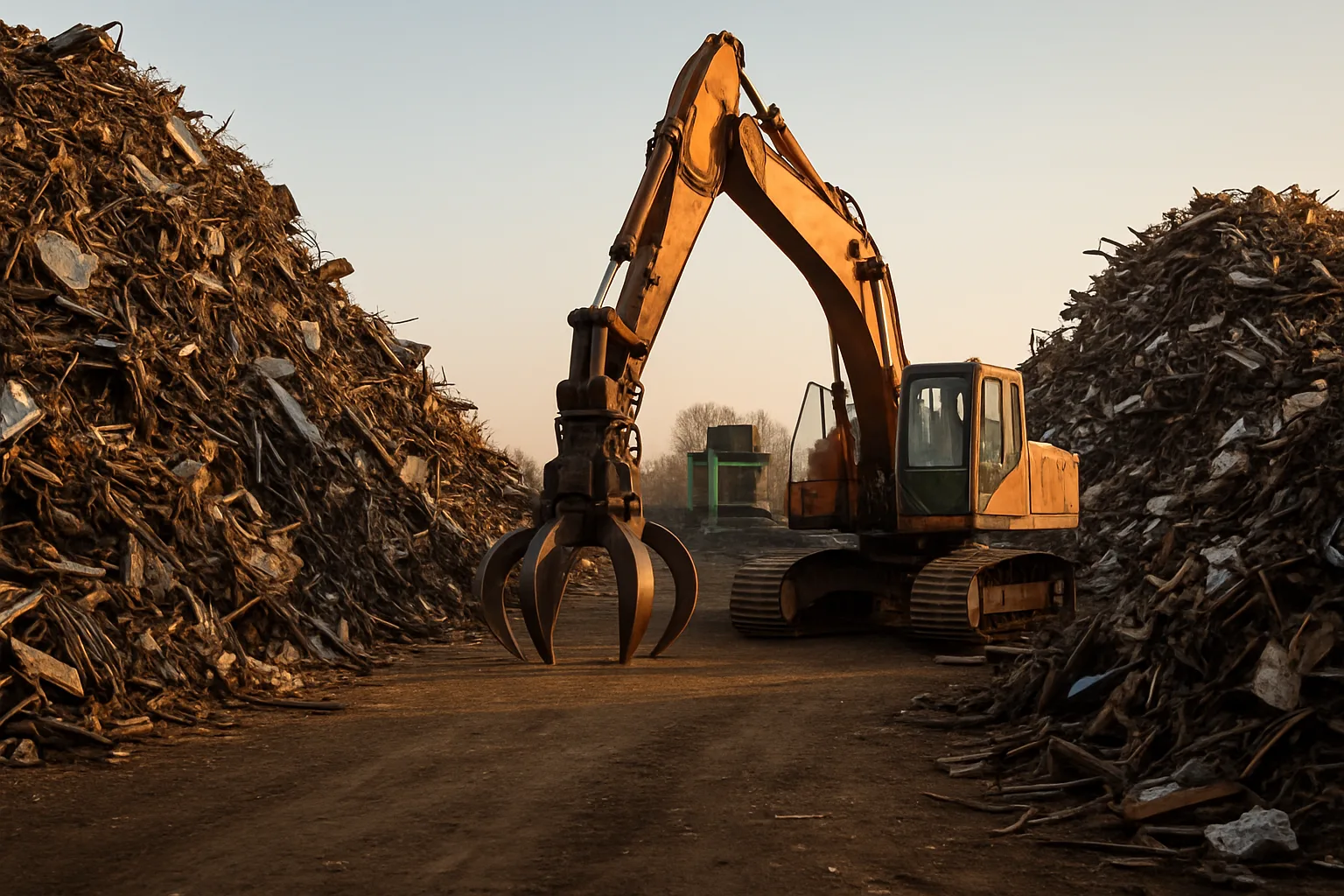
Construction and Demolition Sites Are Sitting on Serious Scrap Metal — Here's What You're Missing
Every time a building comes down or a renovation wraps up, tonnes of recoverable metal walk out the door — or end up in a landfill. If you're involved in construction, demolition, or even just cleaning up a job site near Yorkton, you're likely standing on more scrap value than you realize. Knowing what's worth pulling, what it weighs, and where current scrap metal recycling Yorkton markets are sitting can mean real dollars back in your pocket.
This report breaks down where construction and demolition (C&D) sites generate scrap metal, what those materials are worth in today's Canadian market, and how platforms like the SMASH Recycling auction platform help sellers stop leaving money on the table.
What C&D Sites Actually Generate — The Full Metal Breakdown
Construction and demolition work produces a surprisingly diverse mix of scrap. It's not just rebar and old pipes. The material stream varies significantly depending on the type of project — residential teardown, commercial retrofit, or industrial demolition — but most C&D sites produce some combination of the following:
- Structural steel: Beams, columns, angle iron, and plate steel from framing and supports
- Rebar: Steel reinforcing bar pulled from concrete slabs and footings
- Copper wiring and pipe: Electrical systems, plumbing, and HVAC lines — often the highest value per pound on a C&D site
- Aluminum: Window frames, fascia, flashing, conduit, and ductwork
- Cast iron: Old radiators, floor drains, and plumbing fittings in pre-1970s buildings
- Stainless steel: Commercial kitchen equipment, countertops, and exhaust systems in food service builds
- Brass fixtures: Plumbing valves, fittings, and hardware
- HVAC equipment: Furnaces, condensers, and coils that contain both ferrous and non-ferrous metal
On a mid-size commercial demolition, the recoverable metal can add up quickly. Structural steel and rebar often account for the bulk by weight. But copper scrap — even in relatively small quantities — can outvalue everything else per kilogram. That's why sorting on-site before hauling matters. Mixed loads fetch lower prices. Clean, separated material gets better offers.
Copper Scrap Prices Yorkton and What's Driving Them in June 2026
Copper is the metal everyone watches. It's sensitive to global manufacturing demand, energy sector activity, and currency shifts. Right now in Saskatchewan — and across Canada — copper remains one of the stronger-performing non-ferrous metals. Electrical infrastructure buildout, EV manufacturing supply chains, and ongoing housing starts all keep industrial copper demand elevated.
For C&D sellers in Yorkton specifically, copper scrap prices Yorkton will vary based on grade. There's a significant difference between:
- #1 Bare bright copper: Clean, uncoated, unalloyed copper wire — top of the price ladder
- #2 Copper wire: Insulated or mixed wire — priced lower due to processing requirements
- Copper pipe (clean): Dry, unsoldered plumbing copper
- Copper with solder or fittings: Discounted relative to clean grades
If you're pulling copper on a demo job and you're mixing bright wire with soldered fittings and insulated runs, you're blending your best material into a lower-grade category. Take the extra time to sort. It directly impacts your per-kilogram return. To check today's Canadian scrap metal prices before you haul, knowing your grades helps you compare what buyers are actually offering.
Disclaimer: Scrap metal prices fluctuate based on global commodity markets, local supply and demand, and metal grade. Always verify current rates before selling.
How to Sell Scrap Metal Online and Get Competitive C&D Rates
The old model — one call to one yard, take whatever they offer — doesn't serve C&D sellers well. When you're moving volume off a job site, you're in a stronger position than you might think. But only if you're getting competitive pricing. That means multiple buyers seeing your load, not just one.
That's exactly where sell scrap metal online platforms change the game. Instead of calling around or hauling to the first yard with an open gate, you document your load, list it, and let buyers compete. SMASH operates as an auction-format marketplace where vetted industrial buyers bid on verified scrap inventory. More competition means better price discovery. It's not a guarantee of any specific return, but it's a fundamentally different process than a single-buyer phone call.
For C&D contractors, the documentation side matters too. SMASH's inventory tool supports photo documentation and material tracking — useful when you're managing multiple site cleanouts or need to account for what came off which structure. That kind of organized approach also builds buyer confidence, which tends to support stronger bids.
If you want to find current Canadian scrap metal prices before listing your load, getting a realistic market baseline helps you evaluate offers as they come in.
Best Scrap Metal Prices Saskatchewan — Why Location and Volume Both Matter
Saskatchewan has a mix of agricultural, oil and gas, and construction-driven scrap supply. That shapes local market dynamics. Yards in larger centres like Regina and Saskatoon typically handle higher volumes and may offer more competitive baseline rates on common grades. But best scrap metal prices Saskatchewan isn't just about geography — it's about how you approach the sale.
Volume helps. A full load of clean structural steel from a Yorkton demolition project is a more attractive proposition to a buyer than a half-load of mixed ferrous. If you're managing a large C&D job, coordinating your haul schedule so you're moving full, sorted loads — rather than partial mixed runs — positions you better on price.
Timing matters too. Commodity markets move. Selling into a rising copper market versus a soft one can mean a meaningful difference on a large load. Watching market trends, even loosely, gives you a better sense of when to hold and when to move. The latest Canadian scrap metal market updates can help you stay oriented without having to track commodity feeds daily.
For Yorkton sellers specifically, the practical reality is that you may be dealing with longer haul distances to major yards. That's another reason why online platforms that connect you with buyers across a wider region are worth considering — you're not limited to whoever is geographically closest.
On-Site Scrap Management: What Smart C&D Operators Do Differently
The difference between a chaotic teardown that generates low scrap returns and a well-managed one often comes down to process. Here's what experienced C&D scrap sellers do that most don't:
- Strip before demo where possible. Pulling copper wiring, plumbing, and fixtures before a structure comes down lets you keep grades clean. Demolition mixes everything.
- Separate ferrous from non-ferrous from day one. Two bins, two piles, two trailers if needed. The price spread between ferrous and non-ferrous is significant enough to justify the effort.
- Document your weights and grades. Weigh loads where you can. Know what you're hauling. Buyers — especially online buyers — respond better to sellers who know their material.
- Don't mix HVAC components without sorting. Condensers and coils contain copper and aluminum. Selling them as mixed units versus sorted components changes your return.
- Track your hauls per project. If you're running multiple C&D jobs in a season, knowing your per-project scrap yield helps you price jobs more accurately going forward.
None of this is complicated. It's discipline. And it pays off in a market where buyers are making decisions based on what you put in front of them.
Scrap Metal Downtown Yorkton and the Local Market in Mid-2026
Local C&D activity in and around scrap metal downtown Yorkton reflects the broader Saskatchewan construction picture — residential renovations, light commercial work, and infrastructure maintenance continue to drive steady scrap volume. Older building stock in the region also means demo work often turns up cast iron, legacy electrical, and pre-copper plumbing that has real non-ferrous value when properly sorted.
Saskatchewan's agricultural sector also intersects with C&D scrap in ways that are easy to overlook. Grain handling upgrades, shop demolitions, and equipment salvage on rural properties all feed into the regional scrap stream. If you're operating near Yorkton and managing any of this material, you're part of a market that's worth approaching strategically — not just as an afterthought on cleanup day.
Explore Yorkton scrap metal services to understand what's available locally and how to connect with buyers who are actively looking for the material you're moving.
As you plan your next project or manage current site cleanouts, it's worth checking where prices sit before you commit to a haul or a buyer. Markets shift. Your job costs don't. Getting current data matters — check today's Canadian scrap metal prices and go into your next sale with real numbers, not assumptions.
Frequently Asked Questions
Q: What types of scrap metal are most valuable from a demolition site?
Copper is consistently the highest-value metal per kilogram — bare bright wire and clean copper pipe lead the non-ferrous category. Brass fittings, aluminum from windows and ductwork, and stainless steel from commercial builds also carry strong value. Structural steel and rebar are lower per kilogram but often make up the bulk of weight on large projects.
Q: How do I find the best scrap metal prices in Saskatchewan for C&D material?
Compare multiple buyers, not just your nearest yard. Online platforms like SMASH let you list your load and receive competitive bids from vetted buyers across a wider region. Before listing, find current Canadian scrap metal prices to establish a realistic baseline for what your grades should fetch.
Q: Is scrap metal recycling in Yorkton worth the effort for small loads from renovation jobs?
Even modest renovation jobs can yield meaningful scrap value if you're sorting properly — especially if you're pulling copper wiring or plumbing. The key is not mixing grades. A small load of clean #1 copper is worth more than a larger mixed bag of copper, insulated wire, and fittings combined. Sort as you go and the effort pays off.
Q: What's the difference between selling to a local yard versus selling scrap metal online?
A local yard gives you one offer from one buyer. Selling scrap metal online through an auction-format platform means multiple vetted buyers see your load and can bid competitively. For volume loads off C&D sites, that competitive dynamic tends to produce better price discovery than a single-buyer transaction.
Q: Do I need documentation to sell C&D scrap in Saskatchewan?
Requirements vary by jurisdiction and buyer, but having clear documentation — weight tickets, photos, a basic material list — makes transactions smoother and builds buyer confidence. If you're moving regular volume off multiple job sites, organized records also help you track scrap yield per project and improve your job costing over time.
Stay current on Canadian scrap markets and get practical insights for sellers by following SMASH on LinkedIn — regular updates on pricing trends, platform news, and what's moving in the scrap metal market across North America.