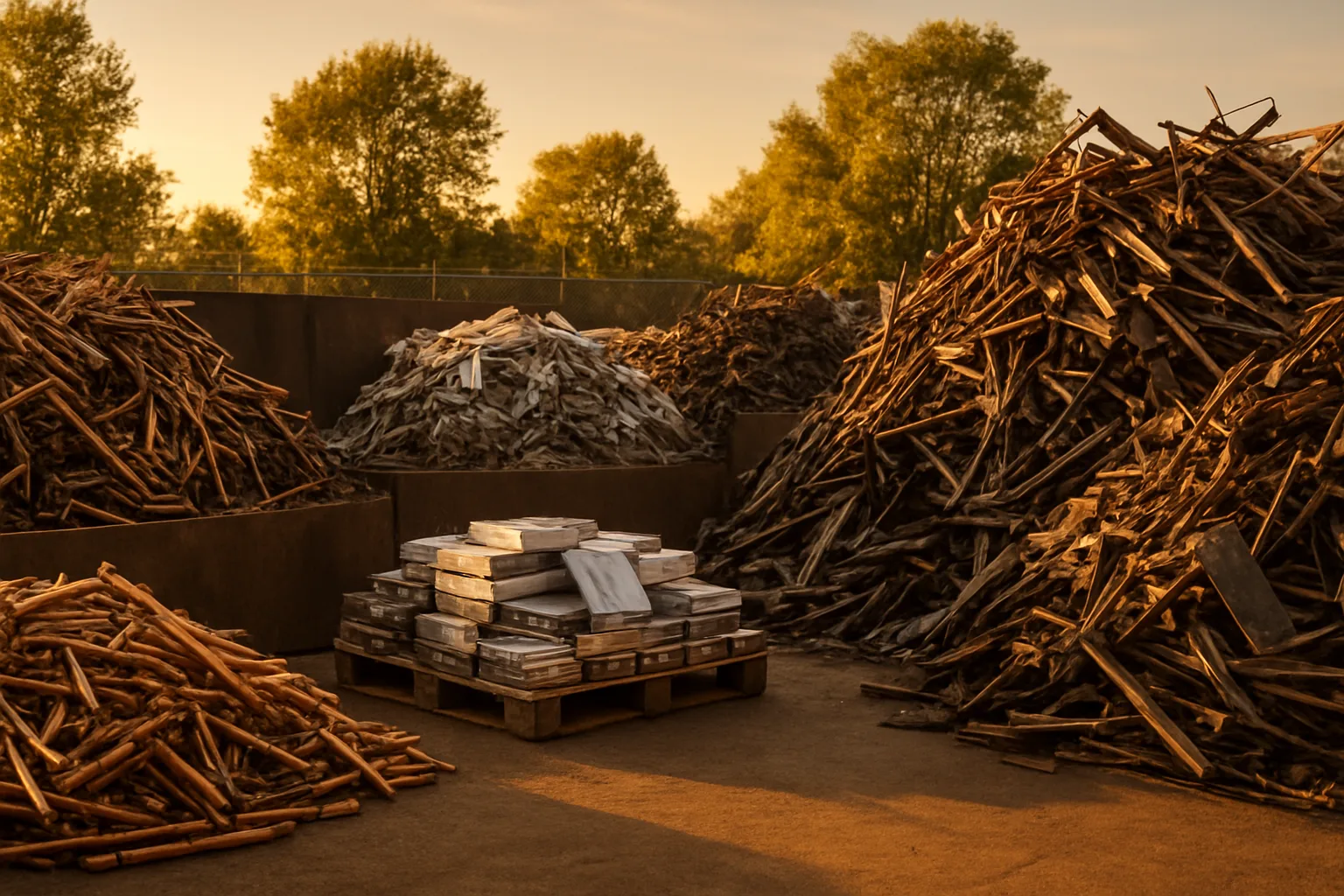
Why Construction and Demolition Sites Are a Major Source of Scrap Metal in Canada
Most people think of scrap metal as old appliances or a junked-out car sitting in a driveway. But some of the highest-volume metal loads in Canada come from a different source entirely: construction and demolition sites. If you're in the trades, run a demo crew, or work near active job sites in Abbotsford or anywhere across British Columbia, there's real money sitting in that debris pile — if you know what to pull and where to sell it.
With current Canadian scrap metal prices fluctuating based on global demand, tariffs, and commodity markets, understanding what construction waste is actually worth has never mattered more. This guide breaks down exactly which metals come off job sites, what they're worth, and how to turn that material into cash instead of landfill fees.
What Metals Do Construction and Demolition Sites Actually Produce?
A single residential demo can yield hundreds of pounds of recyclable metal. A commercial strip-out or infrastructure teardown? Potentially tons. The key is knowing which materials have real scrap metal prices behind them — and separating them before they get mixed into general debris.
Here's what typically comes off a C&D site:
- Copper wire and pipe: Pulled from electrical systems, plumbing, and HVAC. One of the highest-value non-ferrous metals on any scale. Even short runs of #2 copper wire add up fast.
- Aluminum: Window frames, door frames, flashing, roofing trim, and electrical conduit. Lighter than copper but consistent aluminum recycle value makes it worth separating cleanly.
- Steel and structural iron: I-beams, rebar, metal stud framing, corrugated decking, and support columns. Ferrous metal moves by the ton — not glamorous, but volume adds up.
- Cast iron: Old radiators, drain piping, and commercial kitchen equipment during gut-outs. Heavier per piece, but cast iron prices tend to hold steady.
- Brass fittings: Gate valves, pipe connectors, and fixture components. Often overlooked, but copper scrap prices Abbotsford and broader BC market rates make brass worth sorting separately.
- Stainless steel: Commercial kitchen demolitions especially — counters, sinks, prep tables. Stainless trades at a premium over standard steel.
- Sheet metal: HVAC ductwork, roofing, and cladding systems. Galvanized sheet trades differently from bare steel — keep them separate if you can.
The volume depends on the project type. A 1980s commercial building teardown in a city like Abbotsford — where older construction is being replaced by mixed-use density — can produce copper, aluminum, and steel simultaneously. That's three separate loads with three separate price points.
How C&D Scrap Differs From Yard and Residential Metal
Construction and demolition scrap comes with unique challenges that residential or industrial scrap doesn't. The metal is often attached to other materials — copper pipe soldered to fittings, aluminum frames with glass still in them, steel rebar encased in concrete. Cleaning and separating takes time, but it pays off at the scale.
Contamination is the biggest margin killer. A bale of copper wire wrapped in plastic insulation grades out lower than stripped wire. Aluminum frames with wood or rubber attached get downgraded. Buyers pay for metal, not the material it's stuck to. The more cleanly you sort and prep your load, the closer you get to top-of-market pricing.
There's also the question of documentation. Larger C&D loads — especially copper — often require packing lists, BOLs, and sometimes photo documentation before a buyer will commit. This isn't bureaucratic friction. It's how serious buyers protect themselves from buying stolen material. Platforms like SMASH Recycling have this built in, so the paperwork doesn't slow you down.
Copper Scrap Prices and Non-Ferrous Value From Job Sites
Copper is the metal that makes C&D recycling worth the extra effort. Prices in Canada track the London Metal Exchange and fluctuate constantly — but even at mid-market rates, a single commercial electrical strip-out can produce enough #1 and #2 copper to generate serious returns.
Understanding copper grades matters before you show up at a yard:
- #1 Bare Bright Copper: Clean, uncoated, unalloyed wire or solid copper. Highest grade. Comes from new construction offcuts or stripped service cable.
- #1 Copper: Clean pipe, bus bar, or solid copper with no solder, paint, or insulation.
- #2 Copper: Mixed pipe, fittings, or wire with minor attachments. Most plumbing pulls from demo projects land here.
- Insulated Wire (various grades): Price depends on the percentage of copper inside the insulation. Romex, armoured cable, and service entrance wire all grade differently.
The spread between #1 Bare Bright and #2 Copper can be significant per pound. If you're doing high-volume C&D work, stripping and grading your own copper before you sell is one of the fastest ways to increase your return. Want to know what copper scrap prices look like right now in your region? Find current Canadian scrap metal prices before you load the truck.
Aluminum from C&D sites — extrusions, sheet, and castings — adds meaningful weight to a load. The aluminum recycle value varies by alloy and cleanliness. Extruded aluminum from window frames typically grades as 6063 extrusion. Sheet aluminum from roofing or cladding is a different alloy. Keep them separate if volume allows — buyers pay differently for each.
Selling C&D Scrap Metal: The Old Way vs. What Works Now
The traditional approach — call the one yard you've always used, take whatever price they quote, drop the load — leaves money on the table. That system worked when there was no alternative. There is now.
Competitive pricing is simple math. One buyer sets one price. Multiple vetted buyers competing for the same load creates price discovery. That's the difference between guessing what your copper is worth and actually knowing what the market will pay.
If you're hauling C&D loads in Abbotsford or anywhere across British Columbia, the sell scrap metal online model through SMASH connects your material to verified buyers across North America — without subscription fees and without the friction of cold-calling yards. You document your load with photos, list it through the platform, and let buyers compete. The inventory tool handles serial tracking and photo documentation, which matters especially for commercial-grade copper and stainless loads.
There's no mystery about why this matters for C&D sellers specifically. These loads are often large, often mixed, and often irregular — not a tidy pile of identical material. Having documented inventory gives buyers more confidence to bid aggressively. More confidence means stronger bids. Stronger bids mean better returns on the work you already did to pull the metal.
For anyone looking to sell scrap metal near me or expand beyond local yard pricing, SMASH is worth understanding before your next large load moves. Read the latest Canadian scrap metal market updates to stay current on where prices are trending before you sell.
Best Practices for C&D Metal Recovery in Abbotsford and the Fraser Valley
Construction activity in the Fraser Valley — including Abbotsford — has stayed active through 2026, driven by continued infrastructure investment and residential intensification projects. That means steady supply of recoverable metal for anyone positioned to capture it.
Here's what separates the operators getting top dollar from the ones leaving money in the bin:
- Strip early, sort as you go. Pulling copper pipe and wire before the demo crew smashes everything is exponentially easier than sorting it out of rubble later. Build metal recovery into your site workflow, not as an afterthought.
- Keep non-ferrous separate from ferrous. Mixing copper or aluminum into a steel load is a guaranteed downgrade. The steel yard won't pay you copper prices — they'll pay you steel prices for the whole thing.
- Document what you have. For loads worth more than a few hundred dollars, a basic photo inventory and weight estimate makes you a more credible seller. Buyers respond to documented loads faster and with stronger bids.
- Know your grades before you sell. A quick check on Abbotsford scrap metal services and current pricing helps you walk into a negotiation informed instead of guessing.
- Watch the calendar. Metal prices move. If you have flexibility on when you sell, tracking market trends over a few weeks can meaningfully affect your return on a large load.
The goal isn't complexity — it's not leaving recoverable value in a dumpster or selling a premium load at commodity rates because you didn't have the market data to push back. Best scrap metal prices British Columbia doesn't mean chasing a mythical perfect rate. It means knowing what competitive pricing looks like and having a platform that gets you there.
Frequently Asked Questions
Q: What types of metals from construction sites have the highest scrap value?
Copper consistently grades at the top — wire, pipe, and bus bar from electrical and plumbing systems carry the strongest per-pound rates. Brass fittings, stainless steel, and aluminum extrusions follow. Structural steel and rebar move by volume rather than value per pound.
Q: How do I find the best scrap metal prices in Abbotsford right now?
Prices change daily based on commodity markets. Your best bet is to check current posted rates online before you haul. Platforms like SMASH also create competitive pricing by bringing multiple buyers to your load — rather than relying on a single yard's posted rate. Check today's Canadian scrap metal prices to see where the market sits.
Q: Do I need paperwork to sell large amounts of copper from a demolition project?
Yes. For commercial-scale copper loads, most serious buyers require documentation — a packing list, BOL, and often photo verification. This protects both sides of the transaction and is standard practice for any volume load. Platforms like SMASH have documentation built into the listing process so it doesn't slow you down.
Q: Can I sell scrap metal online from a British Columbia job site?
Absolutely. Platforms like SMASH Recycling let you list loads remotely, reach vetted buyers across North America, and handle auto-invoicing without a subscription fee. It's built for exactly this kind of irregular, high-volume commercial load.
Q: What's the difference between #1 and #2 copper scrap?
#1 copper is clean, uncoated, and unalloyed — no solder, paint, or attached fittings. #2 copper includes pipe with solder, mixed wire, or fittings with minor contamination. The price difference between the two grades can be meaningful per pound, especially on a large C&D load. Cleaning and sorting your copper before selling is worth the extra time.
Construction and demolition sites generate some of the most valuable scrap loads in the market — but only if you know how to capture and sell that material correctly. Whether you're a demo contractor, a trades crew, or a scrap hauler working the Fraser Valley, understanding what you have and what it's worth is the first step. Before your next load moves, check today's Canadian scrap metal prices at scrap-metal-prices.ca — current rates, no guesswork.
Stay ahead of the market: follow SMASH on LinkedIn for scrap metal market updates, industry insights, and pricing trends across North America.
Disclaimer: Scrap metal prices fluctuate based on commodity markets, grade, volume, and regional demand. Always verify current rates before selling.