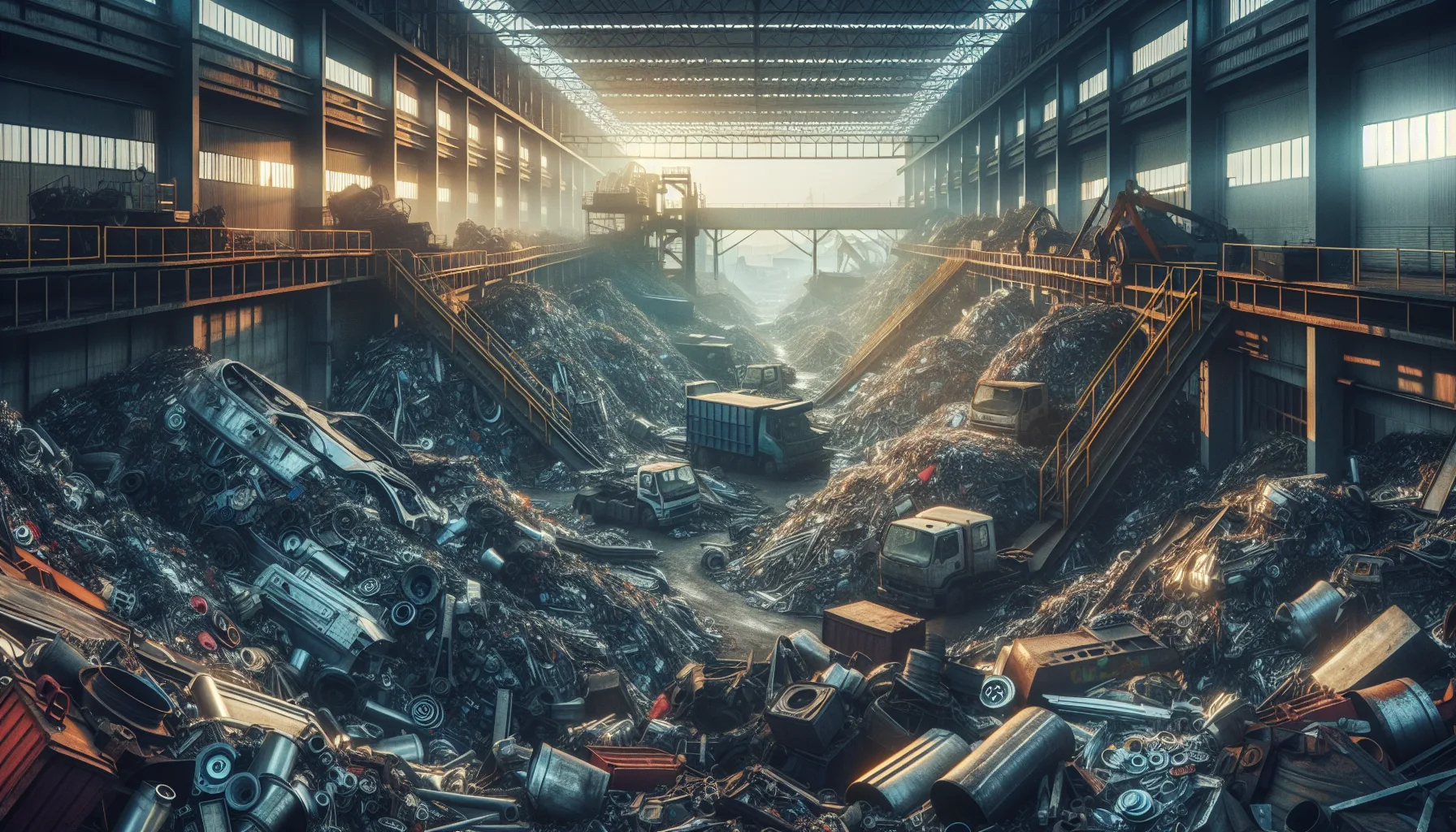
Understanding Catalytic Converter Recycling in Canada's Scrap Metal Market
Catalytic converters contain some of the most valuable precious metals in the automotive recycling industry. These emissions control devices house platinum, palladium, and rhodium — metals that command premium prices in today's Canadian scrap metal market. For those involved in scrap metal recycling Moncton operations, understanding how catalytic converter recycling works reveals why these components represent such significant value.
The recycling process begins when scrap yards and individual sellers collect catalytic converters from end-of-life vehicles. Unlike standard scrap metals, catalytic converters require specialized processing to extract their precious metal content. This complexity directly impacts pricing across New Brunswick and creates opportunities for sellers who understand the market dynamics.
Professional recycling facilities use high-temperature furnaces and chemical processes to separate precious metals from the ceramic honeycomb structure inside converters. The extracted metals then enter global commodity markets where prices fluctuate based on industrial demand, mining output, and economic conditions. This multi-step process explains why catalytic converter prices vary significantly compared to straightforward metals like copper scrap prices Moncton dealers typically handle.
Why Catalytic Converter Scrap Values Fluctuate More Than Traditional Metals
Several factors create price volatility in catalytic converter recycling that differs from standard scrap metal pricing. The precious metal content varies dramatically between vehicle makes, models, and years. A converter from a luxury diesel truck contains substantially more valuable metals than one from a compact gasoline car.
Market demand for platinum, palladium, and rhodium drives pricing more than simple supply and demand for scrap materials. Automotive manufacturers need these metals for new converter production. Industrial applications in electronics, jewelry, and chemical processing also consume significant quantities. When any of these sectors experience increased demand, converter values rise accordingly.
Geographic location impacts pricing as well. Moncton dealers may offer different rates than facilities in other regions based on transportation costs to processing centers and local competition. Sellers who sell scrap metal online through platforms often access broader markets and potentially higher prices than local-only transactions.
The recycling infrastructure requirements also affect pricing. Processing catalytic converters demands specialized equipment and environmental permits that not all scrap yards possess. This creates a tiered market where facilities with processing capabilities can offer higher prices than those selling to intermediaries.
Current Market Trends Affecting Canadian Catalytic Converter Prices
The 2026 Canadian scrap metal market shows continued strong demand for catalytic converter materials. Electric vehicle adoption impacts long-term demand projections, but internal combustion engines still dominate the vehicle fleet. This creates ongoing supply from vehicle retirements while maintaining industrial demand for precious metals.
Supply chain considerations influence current pricing structures. Mining disruptions in major platinum and palladium producing regions affect global supply. When mining output decreases, recycled materials become more valuable as manufacturers seek alternative sources for production needs.
Regulatory changes in automotive emissions standards can impact converter designs and metal content. Stricter emissions requirements often mean higher precious metal concentrations in new converters, which eventually translates to higher scrap values when these vehicles reach end-of-life.
Digital platforms like SMASH have revolutionized how sellers access buyers for high-value materials like catalytic converters. These systems connect sellers directly with verified processors, eliminating intermediary markups and providing more transparent pricing. The competitive bidding environment often results in best scrap metal prices New Brunswick sellers can access.
How Processing Methods Impact Final Scrap Values
The extraction method significantly influences what recyclers can pay for catalytic converters. Basic crushing and chemical leaching yields lower precious metal recovery rates than advanced smelting processes. Facilities with sophisticated equipment can offer higher purchase prices because they extract more value from each unit.
Assaying accuracy affects pricing consistency. Precise testing determines exact metal content, allowing processors to make competitive offers. Less sophisticated testing methods create pricing uncertainty that often results in lower offers to protect buyer margins.
Volume processing creates economies of scale that benefit both processors and sellers. Large facilities can operate more efficiently and often pay premium prices for bulk quantities. Individual sellers might access these benefits through aggregation services or platforms that combine multiple sellers' materials.
Quality sorting impacts final values as well. Converters in better physical condition typically contain more recoverable metals. Damaged units with missing material or contamination command lower prices due to reduced extraction yields.
Maximizing Returns from Catalytic Converter Recycling
Understanding converter identification helps sellers obtain fair pricing. Different converter types contain varying precious metal concentrations. Diesel converters typically contain more platinum, while gasoline versions have higher palladium content. Hybrid vehicle converters often command premium prices due to specialized metal combinations.
Timing sales with market conditions can improve returns. Precious metal prices fluctuate with economic conditions, industrial demand, and currency values. Monitoring market trends helps sellers identify optimal selling periods, though storage costs and security concerns limit practical timing strategies.
Working with reputable buyers ensures fair transactions and proper environmental handling. Platforms like SMASH connect sellers with verified processors who meet environmental standards and offer competitive pricing through transparent bidding processes.
Proper handling and storage maintain converter value until sale. Protecting the internal ceramic structure prevents metal loss that reduces final yields. Clean, complete units command higher prices than damaged or incomplete converters.
The catalytic converter recycling market represents a significant segment of Canada's precious metal recovery industry. Understanding these dynamics helps participants maximize returns while supporting environmental sustainability through proper recycling practices. Whether you're looking to check today's Canadian scrap metal prices or exploring specialized markets like converters, staying informed about processing methods and market factors ensures better outcomes. Professional platforms provide access to verified buyers and competitive pricing that individual sellers might not otherwise access. For comprehensive market information including current rates across all metal categories, you can find current Canadian scrap metal prices and stay updated with read the latest Canadian scrap metal market updates. Services like SMASH Recycling — where verified buyers bid on your metal demonstrate how technology improves market access and pricing transparency for sellers across New Brunswick and throughout Canada.
Frequently Asked Questions
Q: What makes catalytic converters more valuable than regular scrap metal in Moncton?
Catalytic converters contain precious metals like platinum, palladium, and rhodium that are worth significantly more per gram than common metals like steel or aluminum. These metals are essential for industrial processes and new vehicle production, creating consistent demand that drives higher prices.
Q: How do I know if my catalytic converter has good scrap value?
Converter value depends on the vehicle's make, model, year, and engine type. Diesel vehicles, luxury cars, and hybrid vehicles typically have higher-value converters. Professional buyers can identify converter types and provide accurate valuations based on current precious metal content and market prices.
Q: Why do catalytic converter prices change more frequently than copper or aluminum prices?
Precious metals in converters trade on global commodity markets with higher volatility than base metals. Industrial demand, mining output, currency fluctuations, and economic conditions all impact platinum, palladium, and rhodium prices more dramatically than traditional scrap metals.
Q: Can I sell catalytic converters online safely in New Brunswick?
Yes, reputable online platforms connect sellers with verified buyers who follow proper legal and environmental procedures. These services often provide better pricing than local options by accessing broader buyer networks and competitive bidding processes.
Q: What documentation do I need to sell catalytic converters for scrap?
Legitimate sales require proof of ownership, such as vehicle titles or receipts from auto repair shops. Buyers must verify legal ownership to prevent theft-related transactions. Proper documentation protects both sellers and buyers in recycling transactions.
Disclaimer: Scrap metal prices fluctuate daily based on market conditions. Check current rates before making selling decisions.
Ready to explore current market opportunities? Check today's Canadian scrap metal prices — get current rates at scrap-metal-prices.ca.