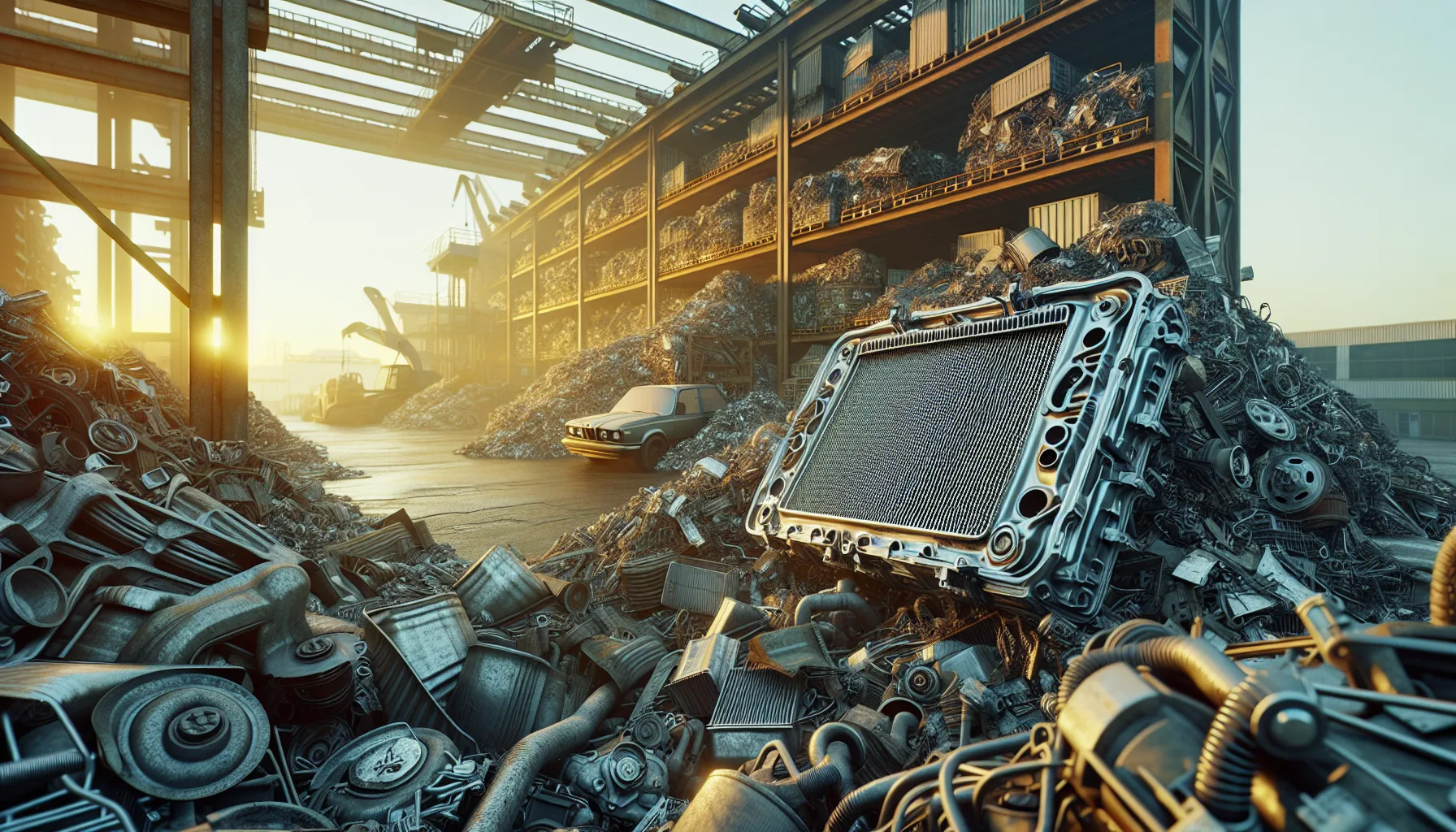
Did you know that a single car radiator contains nearly three pounds of high-grade copper worth significant cash in today's scrap metal markets? Auto parts recycling has become a goldmine for scrap metal dealers across Canada, with components like radiators, alternators, and catalytic converters containing valuable metals that fetch premium prices. Understanding how these parts are processed for scrap metal recycling Dartmouth operations can help you maximize your returns while contributing to sustainable metal recovery.
The automotive recycling industry processes millions of vehicles annually, extracting everything from copper wiring to aluminum engine blocks. Each component follows a specific recycling pathway designed to recover maximum metal value while meeting environmental standards.
The Copper Goldmine: Radiator Recycling Process
Car radiators represent one of the most valuable components in automotive scrap metal recycling. These heat exchangers contain substantial amounts of copper and brass, making them highly sought after by recyclers in Dartmouth and throughout Nova Scotia. The recycling process begins with careful dismantling to separate different metal types.
Professional recyclers start by draining all coolant fluids, which must be handled according to environmental regulations. The plastic end tanks get removed first, followed by careful separation of the copper tubes from aluminum fins. This separation is crucial because copper scrap prices Dartmouth dealers pay significantly more for clean copper compared to mixed radiator scrap.
Modern radiators present unique challenges due to their construction. Many newer vehicles use aluminum radiators with plastic components, requiring different processing techniques. The aluminum gets sorted into clean grades, while plastic elements are removed for separate recycling streams. Older vehicles typically contain more valuable brass and copper radiators that command higher prices at scrap yards.
The final step involves quality grading. Clean copper radiators with minimal contamination receive premium pricing, while units with steel brackets or excessive solder may be classified as lower-grade scrap. This grading directly impacts the final payout when you check today's Canadian scrap metal prices for radiator materials.
Alternator Dismantling: Extracting Multiple Metal Types
Alternators contain a diverse mix of valuable metals including copper, aluminum, steel, and small amounts of rare earth elements. The recycling process requires systematic dismantling to maximize metal recovery and pricing. Each alternator typically yields between two to four pounds of mixed metals depending on the vehicle size and alternator design.
The outer aluminum housing gets removed first using specialized tools that preserve the metal's integrity. This clean aluminum commands good prices in current markets, especially when separated from steel mounting brackets. The copper windings inside represent the most valuable component, containing high-grade copper wire that's in constant demand.
Steel components including the rotor and stator cores require magnetic separation during processing. While steel prices remain lower than non-ferrous metals, the volume from alternators adds up quickly for larger recycling operations. The small permanent magnets contain rare earth elements, though extracting these requires specialized processing typically handled by larger facilities.
Professional recyclers use wire stripping machines to recover copper from the alternator windings efficiently. Hand stripping is labor-intensive but can increase copper value significantly. Platforms like SMASH connect sellers with buyers who pay premium prices for properly prepared alternator copper, making the extra effort worthwhile for serious scrap metal collectors.
Catalytic Converter Processing: High-Value Metal Recovery
Catalytic converters contain some of the most valuable metals in automotive recycling, including platinum, palladium, and rhodium. These precious metals make catalytic converters extremely valuable, which is why many sellers now sell catalytic converters online to reach specialized buyers who understand their true worth.
The recycling process begins with careful removal from the vehicle's exhaust system. Professional recyclers use cutting tools to extract converters without damaging the ceramic honeycomb structure inside. This honeycomb substrate contains the precious metal coating that gives catalytic converters their high value.
Processing involves removing the outer steel shell to access the ceramic core. The honeycomb material gets crushed and processed through chemical extraction methods to recover the precious metals. This specialized processing typically occurs at dedicated facilities with the equipment and expertise to handle precious metal recovery safely.
Different vehicle types contain varying amounts of precious metals in their catalytic converters. Luxury vehicles and diesel trucks often have higher-value converters due to stricter emission requirements. Hybrid vehicles frequently contain multiple catalytic converters, increasing their total scrap value significantly.
Steel Component Processing: Volume-Based Value
While steel components from auto parts don't command the premium prices of copper or precious metals, they represent substantial volume in automotive recycling operations. Engine blocks, brake rotors, and structural components contribute significant weight to scrap metal loads, making them important for overall profitability.
Steel processing begins with magnetic separation to remove ferrous metals from non-ferrous materials. Large shredding equipment breaks down bulky components into manageable pieces for transportation to steel mills. The quality of steel scrap affects pricing, with clean automotive steel typically receiving better rates than contaminated mixed loads.
Cast iron components like engine blocks require special handling due to their density and composition. These items often get processed separately from lighter steel components because they command different pricing structures. Brake rotors and drums contain high-quality iron that steel mills value for specific applications.
When seeking the best scrap metal prices Nova Scotia has to offer, timing becomes crucial for steel sales. Steel prices fluctuate based on global demand, making it important to monitor market conditions before selling large loads. SMASH helps sellers track these price movements and connect with buyers offering competitive rates for various steel grades.
Environmental Benefits and Regulatory Compliance
Auto parts recycling for metal recovery provides significant environmental benefits beyond just financial returns. Recycling one ton of steel saves approximately 2,500 pounds of iron ore, 1,400 pounds of coal, and 120 pounds of limestone from mining operations. These resource savings make automotive recycling an essential component of sustainable metal production.
Regulatory compliance plays a crucial role in automotive parts recycling operations. Environmental regulations require proper handling of fluids, batteries, and other hazardous materials commonly found in vehicle components. Licensed recyclers in Dartmouth must follow strict protocols for fluid drainage, material separation, and waste disposal.
The circular economy benefits from automotive metal recycling extend beyond raw material conservation. Recycled metals require significantly less energy to process compared to primary metal production from ore. Aluminum recycling uses 95% less energy than primary production, while copper recycling saves approximately 85% of the energy required for mining and refining new copper.
Modern recycling facilities incorporate advanced technologies to improve metal recovery rates and reduce environmental impact. Automated sorting systems use optical recognition and magnetic separation to achieve higher purity levels in recovered metals. These improvements benefit both environmental outcomes and pricing for scrap metal sellers.
Maximizing Value Through Proper Preparation
Proper preparation significantly impacts the prices you receive for automotive scrap metals. Clean separation of different metal types allows recyclers to pay premium rates for each material category. Taking time to remove plastic components, drain fluids, and separate ferrous from non-ferrous metals can increase your overall returns substantially.
Documentation becomes important when selling valuable components like catalytic converters or large quantities of copper. Legitimate buyers require proof of ownership and may request identification for high-value transactions. Keeping receipts and maintaining records helps establish credibility with serious buyers who pay top market rates.
Market timing affects pricing across all metal categories. Copper prices fluctuate based on global economic conditions, while steel prices respond to construction and manufacturing demand. Successful sellers monitor market trends and time their sales to capture favorable pricing periods.
When you're ready to find current Canadian scrap metal prices for your automotive components, platforms like SMASH streamline the selling process by connecting you with multiple qualified buyers. This competition often results in better pricing than dealing with a single local yard, especially for high-value items like catalytic converters or clean copper radiators.
Understanding how auto parts recycling works helps you make informed decisions about preparation, timing, and buyer selection. Whether you're processing a single vehicle or operating a larger recycling business, the principles of proper metal separation, market awareness, and buyer relationships remain consistent for maximizing returns.
The automotive recycling industry continues evolving with new technologies and changing vehicle designs. Electric vehicles present new opportunities and challenges for scrap metal recovery, while traditional internal combustion engines still provide the bulk of recyclable automotive metals. Staying informed about these changes helps sellers adapt their strategies and maintain profitable operations.
For those looking to read the latest Canadian scrap metal market updates and pricing trends, regular market monitoring becomes essential for success. The combination of proper preparation, market knowledge, and access to competitive buyers creates the foundation for profitable automotive parts recycling.
Ready to turn your automotive scrap into cash? Compare scrap metal bids from Canadian buyers through SMASH to ensure you're getting top dollar for your materials. Check today's Canadian scrap metal prices — get current rates at scrap-metal-prices.ca and start maximizing your recycling returns today.
Frequently Asked Questions
Q: What automotive parts contain the most valuable scrap metals?
Catalytic converters contain the highest value due to precious metals like platinum and palladium. Radiators with copper components and alternators with copper windings also provide excellent returns. Clean copper from these parts often commands premium pricing in current markets.
Q: How should I prepare auto parts for scrap metal recycling in Dartmouth?
Drain all fluids first, then separate different metal types for maximum value. Remove plastic components and clean off excessive dirt or debris. For radiators, separate copper from aluminum fins when possible to receive premium copper pricing.
Q: Where can I sell catalytic converters for the best prices in Nova Scotia?
Online platforms like SMASH connect you with specialized buyers who understand catalytic converter values. These buyers often pay significantly more than general scrap yards because they have the expertise to process precious metals properly.
Q: Do I need special permits to recycle automotive parts for scrap metal?
Individual sellers typically don't need permits, but you must provide identification and proof of ownership for valuable items. Commercial recyclers require various licenses and must follow environmental regulations for fluid handling and waste disposal.
Q: How do current copper scrap prices affect automotive parts recycling profits?
Copper price fluctuations directly impact radiator and alternator values since these components contain significant copper content. Higher copper prices make careful preparation and clean separation more profitable, while lower prices may favor quick processing of mixed loads.
Stay connected with the latest industry developments and pricing trends by following SMASH on LinkedIn at https://www.linkedin.com/company/scrap-metal-auction-sales-hub for regular updates on Canadian scrap metal markets and recycling opportunities.