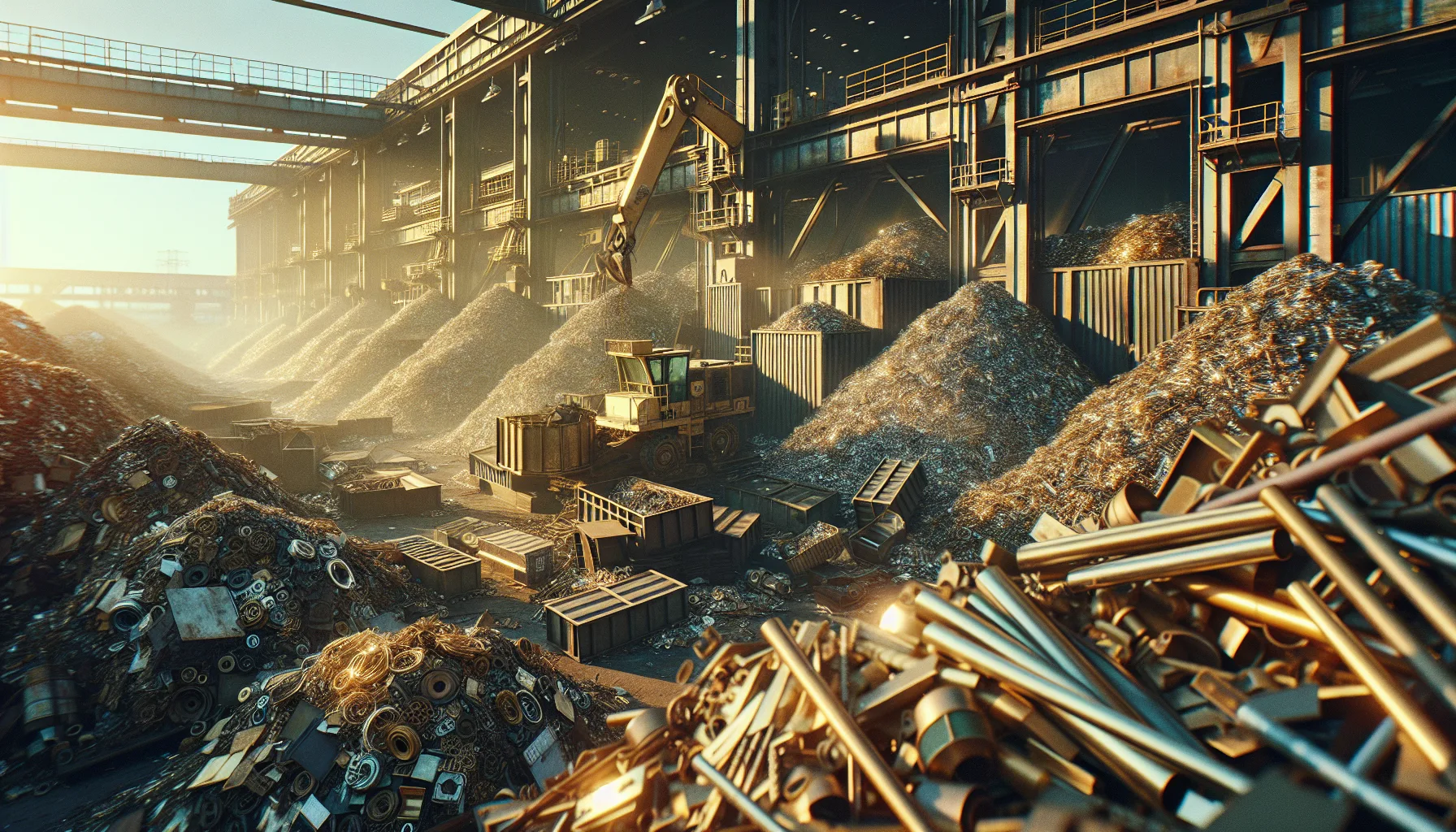
Brass and bronze scrap metals hide in plain sight throughout Toronto homes, businesses, and industrial facilities — and they command premium prices that often surprise first-time sellers. While aluminum gets most of the attention in scrap metal conversations, brass and bronze consistently deliver higher per-pound payouts, making them valuable targets for anyone looking to check today's Canadian scrap metal prices and maximize their recycling profits.
These copper alloys represent some of the most lucrative opportunities in the scrap metal market. Smart collectors know where to find these golden treasures and how to identify them quickly. The key lies in understanding what items contain brass and bronze, recognizing their distinctive properties, and knowing current market values in Ontario's competitive recycling landscape.
Understanding Brass vs Bronze: Material Composition and Market Value
Brass combines copper with zinc, typically containing 60-70% copper and 30-40% zinc. This combination creates a bright, golden appearance that's harder than pure copper but easier to machine. Bronze blends copper with tin, usually featuring 88% copper and 12% tin, though some varieties include small amounts of other metals like phosphorus or aluminum.
The copper content drives value in both alloys. Since copper consistently ranks among the highest-priced base metals, brass and bronze command premium rates compared to steel, aluminum, or iron. Current market conditions in 2026 show brass fetching competitive prices due to strong copper demand from electrical and construction industries.
Bronze typically sells for slightly more than brass because of its tin content and superior corrosion resistance. Marine applications favor bronze for its durability in saltwater environments, while brass dominates plumbing and decorative applications. Both metals maintain excellent recyclability, with processing facilities easily separating them from mixed loads for proper refinement.
Understanding these distinctions helps sellers maximize profits when they find current Canadian scrap metal prices and compare offers from different recyclers. SMASH makes this process easier by connecting sellers with verified buyers across Toronto's extensive recycling network.
Top Sources: Where to Find Brass and Bronze Scrap
Plumbing systems offer the richest source of brass scrap in residential and commercial buildings. Brass faucets, valves, pipe fittings, and water meter components contain substantial amounts of valuable material. Older homes in Toronto neighborhoods like Cabbagetown, Riverdale, and the Annex often feature brass plumbing fixtures from renovations spanning decades.
Musical instruments represent another goldmine for brass scrap. Trumpets, trombones, French horns, and saxophones contain significant brass content. School band programs, music stores, and estate sales frequently offer these items when instruments reach the end of their useful life or require costly repairs.
Industrial applications generate steady streams of both brass and bronze scrap:
- Electrical components: terminals, connectors, switch parts
- Automotive parts: radiator cores, transmission components, bearing cages
- Marine hardware: propellers, fittings, navigation equipment
- Manufacturing equipment: bushings, bearings, valve components
- Decorative items: door handles, light fixtures, architectural elements
Construction and demolition sites across Ontario present excellent opportunities for brass and bronze recovery. Older commercial buildings often contain substantial amounts of brass hardware, while marine facilities yield bronze propellers and fittings. Professional relationships with contractors, plumbers, and marine mechanics can provide consistent supply streams for serious collectors.
Identification Techniques: Recognizing Valuable Brass and Bronze
Visual inspection provides the first clue to identifying brass and bronze. Brass displays a bright, golden-yellow color that's distinctly different from copper's reddish hue. Bronze appears darker, with a brownish or reddish-brown tone that can develop a green patina over time. Fresh cuts or scratched surfaces reveal the true metal color beneath any oxidation.
The magnet test immediately separates ferrous from non-ferrous metals. Neither brass nor bronze attracts magnets, unlike steel or iron. This simple test eliminates confusion with brass-plated steel items, which contain minimal scrap value. Always carry a strong magnet when collecting scrap to avoid worthless ferrous materials.
Weight comparison helps distinguish brass and bronze from aluminum or plastic imposters. Both alloys feel significantly heavier than aluminum for similar-sized items. This density difference becomes obvious when handling faucets, decorative items, or electrical components that might otherwise appear similar.
Advanced identification techniques include:
- Scratch testing: brass scratches more easily than bronze
- Sound testing: brass produces a higher pitch when struck
- Chemical testing: specialized solutions reveal copper content
- Professional assessment: experienced recyclers provide accurate identification
SMASH helps connect sellers with knowledgeable buyers who can properly assess material grades and provide fair market prices. This expertise proves especially valuable when dealing with mixed loads or unusual alloy compositions that require professional evaluation.
Current Market Pricing: What Brass and Bronze Scrap Commands
Brass scrap prices in 2026 reflect strong global copper demand and supply chain considerations affecting zinc availability. Clean brass typically commands higher prices than contaminated material, with radiator brass, plumbing brass, and cartridge brass representing premium grades. Yellow brass generally sells for more than red brass due to its higher zinc content and manufacturing demand.
Bronze pricing depends heavily on tin content and alloy composition. Phosphor bronze, gun metal, and bearing bronze command premium prices due to their specialized applications and higher tin percentages. Clean bronze propellers and marine fittings often fetch top dollar from recyclers serving industrial customers.
Market factors influencing current pricing include:
- Global copper demand from renewable energy projects
- Zinc supply chain disruptions affecting brass production
- Tin market volatility impacting bronze values
- Regional demand from Ontario manufacturing facilities
- Transportation costs affecting final pickup prices
Quality grades significantly impact final pricing. Clean, sorted materials command premium rates, while contaminated or mixed loads receive reduced prices to account for processing costs. Removing steel attachments, plastic components, and other contaminants before selling maximizes returns for sellers across Toronto and surrounding areas.
Regular price monitoring helps optimize selling timing. Platforms like SMASH provide real-time market updates, allowing sellers to track trends and identify optimal selling windows. This information proves especially valuable for collectors accumulating larger quantities over time.
Preparation and Sorting: Maximizing Your Scrap Value
Proper preparation dramatically increases scrap value by reducing processing costs for recyclers. Start by removing all non-metal attachments including rubber washers, plastic handles, and steel mounting hardware. Clean brass and bronze command significantly higher prices than contaminated material requiring additional processing.
Sorting by alloy type and grade optimizes pricing. Separate brass items by color and composition — yellow brass typically sells for more than red brass due to higher zinc content. Group bronze items by application, with marine bronze and bearing bronze often commanding premium prices for their superior alloy compositions.
Size and quantity considerations affect pricing structures. Larger loads often receive better per-pound rates due to reduced handling costs. Accumulating material over time allows sellers to reach minimum quantity thresholds for premium pricing tiers offered by major recyclers throughout Ontario.
Documentation and preparation steps include:
- Remove all ferrous attachments and contamination
- Sort by alloy type and visible composition
- Clean surfaces to reveal true metal color
- Weigh materials for accurate quantity estimates
- Research current market rates before selling
- Contact multiple buyers for competitive quotes
Professional services like those available through smashrecycling.ca streamline the selling process by connecting prepared sellers with verified buyers offering competitive rates. This approach eliminates guesswork and ensures fair market pricing for quality materials.
Finding Buyers: Best Places to Sell Brass and Bronze Scrap in Toronto
Toronto's extensive recycling infrastructure provides numerous options for selling brass and bronze scrap. Large-scale recycling facilities typically offer competitive pricing for substantial quantities, while smaller yards may provide more personalized service and flexible pickup options. Understanding each facility's specialties helps optimize selling strategies.
Scrap yards specializing in non-ferrous metals often provide better pricing than general recyclers handling mixed materials. These facilities understand alloy grades and can properly assess material quality for accurate pricing. Many offer pickup services for larger quantities, reducing transportation costs for sellers across the Greater Toronto Area.
Online platforms have revolutionized scrap metal sales by connecting sellers directly with industrial buyers seeking specific materials. SMASH exemplifies this approach, offering transparent pricing and streamlined transactions that benefit both sellers and buyers in Ontario's competitive market.
Evaluation criteria for choosing buyers include:
- Current pricing relative to market rates
- Pickup availability and transportation costs
- Payment methods and processing timelines
- Facility certifications and environmental compliance
- Customer reviews and business reputation
- Minimum quantity requirements
Building relationships with reliable buyers creates long-term value for serious collectors. Regular sellers often receive preferential pricing, priority pickup scheduling, and advance notice of market changes affecting material values. These partnerships prove especially valuable during market volatility or seasonal demand fluctuations.
For those looking to read the latest Canadian scrap metal market updates, staying informed about pricing trends helps optimize selling timing and buyer selection strategies.
Frequently Asked Questions
Q: How much can I expect to earn from brass and bronze scrap in Toronto?
Brass and bronze typically command premium prices due to their copper content, often selling for significantly more per pound than aluminum or steel. Exact pricing fluctuates based on market conditions, material quality, and quantity sold. Clean, sorted materials always receive higher rates than contaminated or mixed loads.
Q: What's the difference between brass and bronze pricing?
Bronze generally sells for slightly more than brass due to its tin content and superior properties for specialized applications. However, both metals command premium rates compared to common scrap materials. Grade and cleanliness affect pricing more than the specific alloy type in most market conditions.
Q: Where can I find the most brass and bronze scrap in Toronto?
Plumbing renovations, musical instrument repairs, marine facilities, and industrial demolition sites provide the richest sources. Building relationships with contractors, plumbers, and marine mechanics can create steady supply streams for serious collectors throughout Ontario.
Q: Do I need to separate brass from bronze before selling?
While not always required, separating alloys typically increases total value by allowing proper grade assessment. Professional buyers can quickly identify materials, but pre-sorting demonstrates quality awareness and often results in better pricing negotiations.
Q: What preparation increases brass and bronze scrap value the most?
Removing all non-metal attachments, cleaning surfaces, and sorting by visible composition maximizes value. Clean materials command premium rates because they require less processing. Taking time to prepare materials properly almost always increases total returns.
Whether you're cleaning out a basement workshop or managing a commercial renovation project, brass and bronze scrap represents valuable opportunity in today's market. These premium alloys reward careful identification, proper preparation, and strategic selling approaches. Check today's Canadian scrap metal prices — get current rates at scrap-metal-prices.ca to ensure you're maximizing returns on these valuable materials.
Stay connected with industry developments and market insights by following SMASH on LinkedIn at https://www.linkedin.com/company/scrap-metal-auction-sales-hub for regular updates on scrap metal pricing trends and recycling opportunities across Canada.